Leverage $500m Govt Oil Palm Initiative to Enhance Growth … DBG CEO Urges Private Sector
The private sector has been urged to take full advantage of the government’s $500 million Oil Palm Development Initiative to unlock additional investment and accelerate growth in the sector.
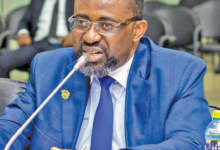
The Chief Executive Officer of the Development Bank Ghana (DBG), Professor Randolph Nsor-Ambala, made the call at an Oil Palm roundtable discussion held in Accra on Wednesday.
He noted that although the initiative was a significant step, the sector’s financing needs exceeded $1 billion, making private sector participation critical to achieving meaningful transformation.
According to him, the government’s intervention should serve as a catalyst to attract more capital into the industry while addressing long-standing challenges such as limited access to finance, low adoption of modern technology and machinery, and weak productivity levels.

Prof. Nsor-Ambala explained that the initiative, being developed in collaboration with the World Bank, was at an advanced stage, with tangible progress expected by mid-year.
He emphasised that government’s commitment to investing in the sector was a strong signal to private investors that critical constraints would be addressed.
“Government putting its money into the sector provides the initial assurance the private sector needs. It demonstrates commitment to resolving bottlenecks and improving the investment environment,” he stated.
He further indicated that the financing model would not be a one-size-fits-all approach but would consist of a mix of financial instruments tailored to meet the diverse needs of players across the value chain.
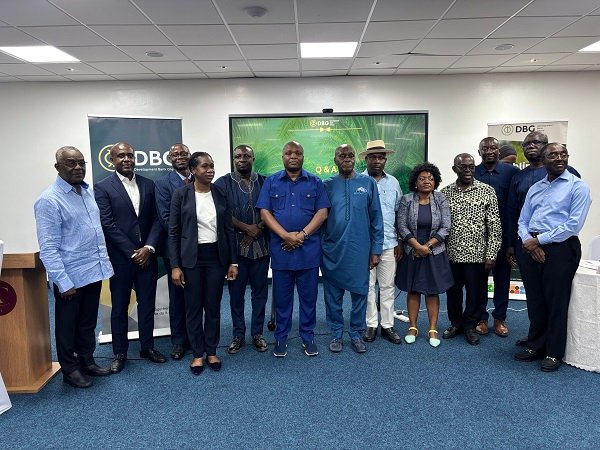
The roundtable organised by DBG under the theme: ‘Transforming Ghana’s Palm Oil Landscape: Financing for Sustainable Growth across the Value Chain,’ brought together key stakeholders to deliberate on constraints and opportunities within the industry.
Prof. Nsor-Ambala stressed that understanding the constraints facing the sector was essential to designing effective financial solutions that would attract private capital and ensure value for investments.
He added that the long-term vision for the sector was to position the private sector as the primary driver of growth, with government playing a facilitative role by addressing structural challenges and providing initial support.
The President of the Oil Palm Development Association of Ghana (OPDAG), Mr Paul Amaning, described the sector as a strategic economic pillar capable of reducing rural poverty and creating jobs.
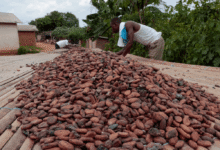
He said the industry currently supported more than one million livelihoods but continued to face significant challenges, including low productivity, ageing plantations, inadequate processing capacity, land tenure issues, and increasing smuggling.
Mr Amaning noted that Ghana was losing over $400 million annually to palm oil imports due to the gap between local production and consumption.
“The potential of the oil palm sector is enormous, but we are not where we should be. We are losing foreign exchange, jobs and opportunities that could strengthen our economy,” he said.
He called for clarity on the allocation, implementation, and timelines of the proposed fund, stressing that delays could undermine its impact.
Mr Amaning further advocated support for organised groups and associations, particularly at the community level, to expand production, improve processing, and create employment, especially for women and the youth.
He urged stakeholders to ensure that within six months, structures for disbursement were in place, with visible results expected within three to five years.
He called for sustained collaboration between government, financial institutions, and industry players, which would be essential to transforming the oil palm sector and reducing the country’s dependence on imports.
BY KINGSLEY ASARE
Follow our WhatsApp Channel now! https://whatsapp.com/channel/0029VbAjG7g3gvWajUAEX12Q