Turn strong recovery into quality jobs, lasting growth – World Bank
Ghana must build on its recent economic recovery to create quality jobs and deliver lasting improvements in the living standards of its people, the World Bank has urged.
The Bank said although the country had made significant progress in restoring macroeconomic stability, sustaining the recovery would require continued fiscal discipline, stronger domestic revenue mobilisation and reforms to remove structural bottlenecks to growth.
It said the reforms must also extend to the transport sector, which remains critical to lowering the cost of doing business, connecting markets and creating jobs.
These observations are contained in the World Bank’s 10th Ghana Economic Update, titled: ‘Reset for Growth: Sustaining Macroeconomic Recovery and Unlocking Transport for Transformation.’

The report said Ghana’s economic recovery deepened in 2025, with real Gross Domestic Product (GDP) growth reaching 6.0 per cent, driven largely by the services and agriculture sectors.
Inflation also fell sharply, while gross international reserves strengthened and the fiscal position improved, with the primary surplus exceeding the programme target.
Public debt declined substantially following progress on the country’s comprehensive debt restructuring programme.
However, the World Bank cautioned that the recovery was “not yet complete”, noting that economic growth had not generated enough quality jobs to absorb Ghana’s expanding working-age population.
Poverty also remained high in some parts of the country, while external pressures, including commodity price volatility, higher energy and fertiliser costs and tighter global financing conditions, could threaten the sustainability of the recovery.
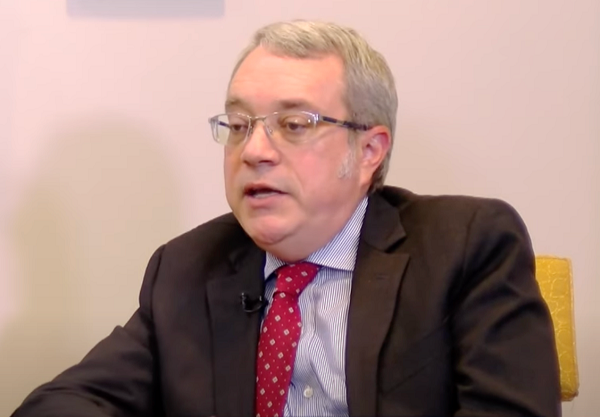
Commenting on the report, the World Bank Division Director for Ghana, Liberia and Sierra Leone, Dr Robert Taliercio, said
“Ghana has made important progress in restoring stability after a difficult period, but the next phase must be about making the recovery durable and more inclusive.”
He said maintaining fiscal and monetary discipline, strengthening revenue mobilisation and protecting priority social and infrastructure spending would be crucial to ensuring that economic gains translated into “better jobs and improved welfare for Ghanaians”.
The report projects Ghana’s economic growth to moderate to 4.8 per cent in 2026 as the gains from the post-crisis adjustment begin to taper off and external pressures persist.
Growth is, however, expected to converge towards the country’s medium-term potential of about five per cent.
The Bank also expects inflation to remain within the Bank of Ghana’s target band, provided monetary policy easing remains data-dependent and external price shocks are carefully managed.
The World Bank Senior Economist and co-author of the report, Tamoya Christie, said the current stability provided an opportunity for Ghana to build a more diversified and employment-intensive economy, stressing that sustained reforms would be needed to protect fiscal stability while removing structural barriers to private investment and market access.
You can now read the *Ghanaian Times* and *The Spectator* newspapers digitally on [TimesNewsPlus](https://timesnewsplus.com/newspapers).
Follow our WhatsApp Channel now! https://whatsapp.com/channel/0029VbAjG7g3gvWajUAEX12Q