Biakoye health workers receive training in obstetric emergencies
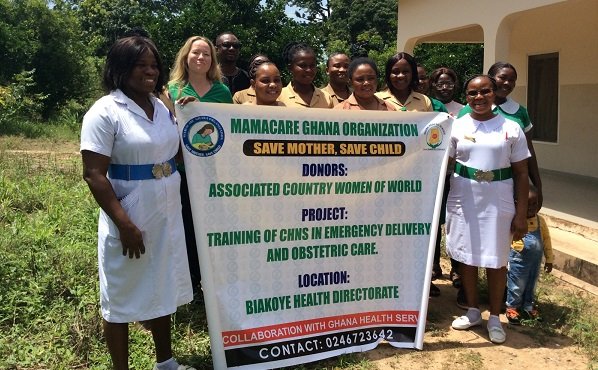
Fifteen frontline health workers in the Biakoye District of the Oti Region have undergone training to enable them to identify pregnancy complications early and respond promptly to obstetric emergencies.
The four-day Basic Obstetrics and Emergency Delivery Training was organised by the Biakoye District Health Directorate, with support from MamaCare Foundation, as part of efforts to improve maternal and newborn survival in the district.
The beneficiaries included nurses, midwives, community health nurses, community health officers and other health staff involved in maternal and newborn care.
The training equipped the participants with practical skills in antenatal care, emergency delivery, postnatal and newborn care, infection prevention and control, family planning and infant feeding.


The District Director of Health Services, Ms Walwine Rita Wurapah, stressed the need for reliable transportation arrangements for obstetric emergencies to prevent delays in referring women who require care at higher-level health facilities.
She said delays in transporting women with complications could have serious consequences, making an effective referral system critical to emergency obstetric care.
Ms Wurapah also urged health workers to strictly observe infection prevention and control measures at their facilities to protect mothers, newborns and health workers.
She said the training covered proper handwashing, safe disposal of needles and other sharps, appropriate processing of medical instruments and maintaining clean and well-organised health facilities.
According to Ms Wurapah, strengthening the capacity of frontline health workers was crucial to ensuring that pregnant women received appropriate care at the right time, particularly during labour and delivery.
The Chief Executive Officer of MamaCare Foundation, Mr Emmanuel Pewudie, said the organisation was committed to supporting programmes that strengthened the capacity of health workers to provide quality maternal and newborn care.
He said the training was designed to provide health workers with practical skills they could apply immediately, particularly in recognising complications early and taking the necessary action before they became life-threatening.
Mr Pewudie said equipping health workers with the right knowledge and basic equipment was important because they were often the first point of contact for pregnant women, especially those living in communities far from higher-level health facilities.
He expressed the hope that the skills acquired and equipment provided through the programme would improve the quality of maternal and newborn care and contribute to better health outcomes in the Biakoye District.
He encouraged the participants to put the knowledge gained into practice and share it with their colleagues to strengthen maternal and newborn healthcare services across the district
By Times Reporter