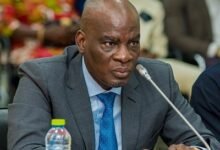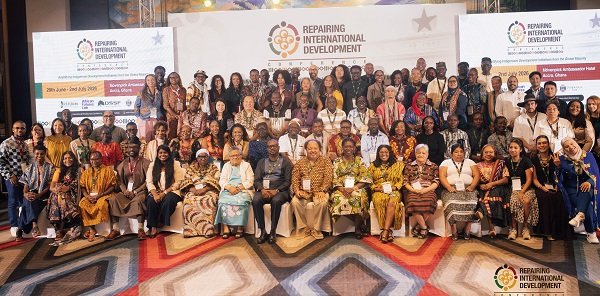
The Founder and Director of Repairing International Development, Makmid Camara, has called for a fundamental overhaul of the global development architecture to make it more inclusive, equitable and responsive to the needs of indigenous peoples and communities in the Global South.
He said the current international development model continued to reflect colonial structures and inequalities, stressing the need for approaches that promote reparative justice, local knowledge systems and community-led development.
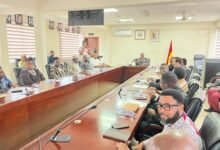
Mr Camara made the call at the opening of the Repairing International Development Conference in Accra yesterday.
He said the global development system required comprehensive reforms beyond efforts to decolonise development.


Mr Camara said development policies should reconnect communities with their land, culture and indigenous knowledge while addressing the historical injustices arising from colonisation, exploitation and exclusion.
He proposed a “Six Rs Framework” to guide reforms in international development, comprising reconnection, re-education, repair, rebuilding, reimagining and resistance.
According to him, the framework sought to place people and community well-being at the centre of development rather than focusing solely on economic growth and gross domestic product.
The Director also expressed concern that discussions on decolonising development often excluded experts and communities from the Global South, urging governments, development partners and civil society organisations to adopt more inclusive approaches.
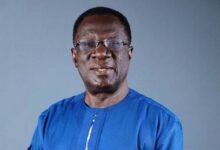
For her part, the Chair of the Guiding Committee of the Awanka Fund, Dr Myrna Cunningham, said indigenous peoples had protected biodiversity and natural resources for generations through traditional knowledge systems and self-determined development models.
She said although indigenous peoples constituted about six per cent of the world’s population, they played a critical role in conserving biodiversity and safeguarding significant portions of the world’s land and marine ecosystems.
Dr Cunningham called for stronger partnerships between indigenous communities and development institutions to promote culturally appropriate and sustainable development.
She said the conference provided an opportunity for participants to share experiences, strengthen collaboration and develop practical strategies for reforming the international development system.
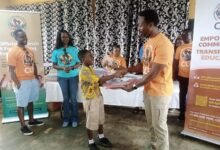
The conference brought together representatives of indigenous organisations, civil society groups, development practitioners and researchers from across the world to discuss strategies for advancing equitable and community-centred development.
BY CLIFF EKUFUL
Follow our WhatsApp Channel now! https://whatsapp.com/channel/0029VbAjG7g3gvWajUAEX12Q