Development policies must target vulnerable groups – UN report
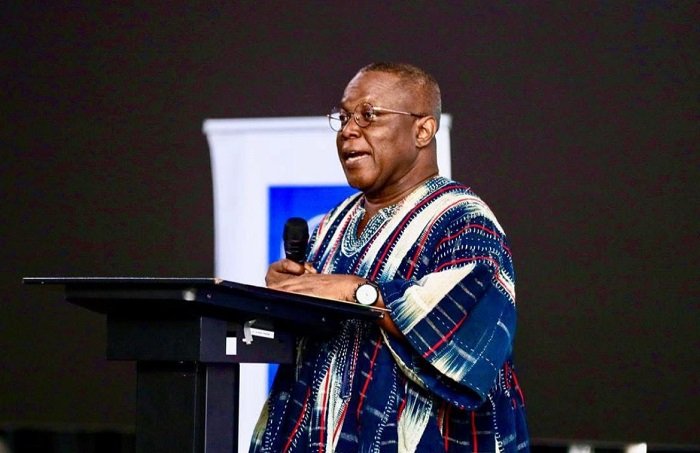
Ghana continues to make steady strides in human development, according to the 2025 Human Development Report (HDR), but deep-rooted inequalities and capability gaps threaten to slow inclusive progress if not urgently addressed.
The report places Ghana in the “medium human development” category with a Human Development Index (HDI) score of 0.628 in 2023, up from 0.594 in 2017.
The HDI assesses progress beyond economic growth by focusing on three key dimensions; health, education, and standard of living with components of Life expectancy index, expected years of schooling and GNI index.

Presenting the report in Accra on Wednesday, the Programme Office of United Nations Development Programme (UNDP), Mr Huzaif Musah, said while the improvement reflects gains in access to healthcare, education, and income levels, the Inequality-adjusted HDI (IHDI) which accounted for disparities in the distribution of the achievements told a sobering story.

He stated that Ghana’s IHDI stands at 0.399, indicating a 36 per cent loss in potential human development due to inequality.
“Progress has been made, but not everyone is benefiting equally, highlighting the urgent need for policies that deliberately target vulnerable groups such as women, persons with disabilities, and residents of rural communities,” he noted.
Furthermore, Mr Musah asserted maternal health outcomes remain mixed, stating that while maternal mortality ratio declined from 274 per 100,000 live births in 2017 to 244 in 2019, it has since risen again to 263 in 2023, raising concerns about access to skilled care, especially in hard-to-reach areas.
According to him, the report also flags a high adolescent birth rate of 66.7 births per 1,000 girls aged 15 to 19.
Additionally, Mr Musah said economic indicators show Ghana’s Gross National Income (GNI) per capita increased from $5,671 in 2017 to $6,846 in 2023, while labour force participation rebounded after a pandemic-era dip, stressing that female participation, however, remains behind, recovering to 63.7 per cent in 2023 compared to 72.6 per cent for men.
“Political inclusion of women also remains low. Although the proportion of female Members of Parliament rose slightly from 12.7 per cent in 2017 to 14.6 per cent in 2023, the report stresses that this remains far below global targets and continues to limit the representation of women’s interests in national decision-making,” he highlighted.
Globally, he underscored that, the country’s HDI compares favourably with regional peers such as Nigeria and Zambia but trails far behind former development contemporaries like South Korea (HDI: 0.925) and Singapore (0.946).
He underlined that the report highlights opportunities in digital inclusion and Artificial Intelligence (AI), Ghana’s use of AI, particularly through initiatives like Zipline’s drone delivery of medical supplies, shows promise for bridging service gaps in health, education, and employment.
The chairman of the National Development Planning Commission (NDPC), Dr Nii Moi Thompson, called for an urgent, intelligent reforms to tackle the country’s entrenched structural inequalities that was undermining human development and economic transformation.
He underscored the persistent socio-economic disparities in education, labour, and income as major threats to national progress.
The Resident Representative of UNDP, Ghana, Mr Niloy Banerjee said when AI is ethically deployed, could help bridge longstanding gaps in access to education, healthcare, and productivity particularly in agriculture, where Ghanaian farmers earn significantly.
BY CECILIA YADA LAGBA