Dozens of vehicles burnt as Mali jihadists enforce blockade
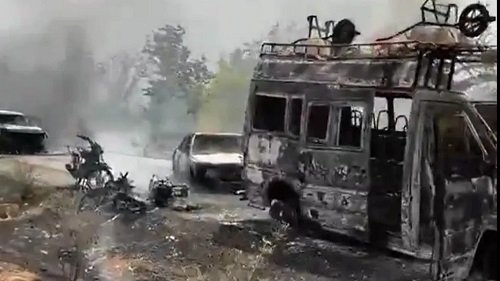
Dozens of vehicles, including fuel tankers, minibuses and trucks, have been set on fire near Mali’s capital, Bamako, as jihadists step up a blockade of the city, the BBC has confirmed.
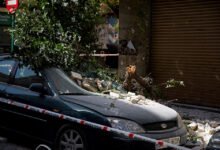
Videos filmed from passing vehicles and verified by the BBC show the charred remains of the vehicles from on a road about 45km (28 miles) west of Bamako. There are no reports of casualties – those on board were said to have been asked to get out before the vehicles were burnt.
Jama’at Nusrat al-Islam wal-Muslimin (JNIM), a jihadist group affiliated to al-Qaeda, imposed a fuel blockade on Bamako last year, which it tightened after attacking the city last month.
The BBC has contacted Mali’s government for comment.

Mali is a landlocked country and depends heavily on fuel transported from neighbouring coastal countries like Senegal and Ivory Coast.
The militants have kidnapped drivers and burnt more than 100 fuel trucks on major highways in the country since last year, but some have made it to Bamako under military escort.
In the latest attack, BBC Verify authenticated the videos through matching two distinctive buildings on the side of the road to satellite imagery and checking for AI manipulation.
Nasa’s satellite-based platform Firms, which detects heat sources on Earth’s surface, also detected a heat signature at the same location on Tuesday.
The fuel blockade is intended to suffocate Mali’s economy and weaken the legitimacy of the military leaders in power, experts say.
Mali is currently led by Gen Assimi Goïta, who first seized power in a coup in 2020, promising to restore security and push back the armed groups.
In January, he appointed 47-year-old Brig Gen Famouké Camara to head a special operation to counter the fuel blockade, but attacks on fuel convoys have continued.
Before the latest attack, the fuel crisis resulting from the blockade had appeared to be easing.
When the jihadists imposed a fuel blockade last year, it caused shortages and a sharp increase in prices in the capital.
Last month, they ordered a total blockade, leaving residents worried.
Eyewitnesses told the BBC at the time that at least three of the six main routes into the city would be closed for hours at a time, and while the fighters moved elsewhere, some vehicles would manage to slowly get through.
This partial blockade has led to high costs of basic commodities.-BBC
Follow our WhatsApp Channel now! https://whatsapp.com/channel/0029VbAjG7g3gvWajUAEX12Q