Poor corporate governance major cause of business failures – Felix Addo
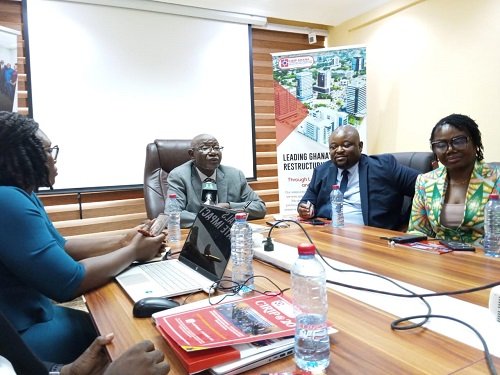
Poor corporate governance remains one of the major causes of business failures and corporate distress in Ghana, the Founder and President of the Chartered Institute of Restructuring and Insolvency Practitioners, Ghana (CIRIP-Ghana), Mr Felix Addo, has said.
He said weak governance structures, undisclosed conflicts of interest, poor internal controls and inadequate professional oversight continued to expose businesses to financial and operational difficulties.
Mr Addo made the remarks at a stakeholder engagement on restructuring and insolvency, held under the theme: ‘The Media: An Invaluable Partner in Ghana’s Restructuring and Insolvency Journey.’
According to him, corporate governance went beyond the boardroom and included a company’s institutional framework, charter, control systems, corporate culture and approach to managing its reputation.

“Many instances, good corporate governance is lacking. People get to the governance level, but they do not practise good governance,” he said.
Mr Addo expressed concern about situations where directors failed to declare conflicts of interest and took decisions that served personal interests rather than those of the company.
The President and Founder of CIRIP Ghana also identified weak internal audit and control systems as another major challenge, saying some businesses considered audits and professional consultancy services an unnecessary burden.
“Many of our companies are not too enthused about doing audits. They see it as a pain,” he said, adding that businesses needed to recognise the importance of external professional advice in a rapidly changing commercial environment.
Beyond governance weaknesses, Mr Addo identified external shocks, including foreign exchange volatility, drought, the COVID-19 pandemic and disruptions to international supply routes, as factors that could push otherwise viable businesses into distress.
He explained that companies heavily dependent on imported inputs were particularly vulnerable to sharp movements in the exchange rate, which could increase their costs beyond what had been budgeted.
Mr Addo urged businesses to seek professional assistance as soon as they noticed early signs of financial distress, rather than waiting until creditors and legal demands began piling up.
“When you start having the signals of distress, you do not wait. That is when you ask for help,” he stressed.
He said warning signs could include persistent cash-flow difficulties, delayed salary payments and demand notes from creditors.
“If it is detected early, it is easier to bring the company back on track. But if you wait until it becomes unmanageable, then it becomes difficult,” he added.
On restructuring, Mr Addo said a major challenge was the lack of commencement financing for distressed companies entering administration.
He explained that businesses often needed fresh working capital to turn around their operations, but existing prudential rules could make it difficult for companies classified as non-performing loans to obtain further financing from banks.
He said CIRIP-Ghana was engaging relevant stakeholders on ways to create an appropriate framework that would enable viable distressed businesses to access financing while protecting lenders.
Mr Addo also called for stronger collaboration between restructuring professionals and the media, describing journalists as an “invaluable partner” in educating businesses and the public about insolvency, restructuring and the importance of seeking help early.
BY KINGSLEY ASARE
You can now read the *Ghanaian Times* and *The Spectator* newspapers digitally on [TimesNewsPlus](https://timesnewsplus.com/newspapers).
Follow our WhatsApp Channel now! https://whatsapp.com/channel/0029VbAjG7g3gvWajUAEX12Q