Sickle cell burden demands national response – Experts
Stakeholders have called for sustained investment and stronger partnerships to improve sickle cell care in the country, as thousands of patients continue to face challenges in accessing diagnosis, treatment and long-term support.
They emphasised that tackling the disease burden would require a coordinated national response backed by sustainable financing, research, public awareness and improved healthcare services.
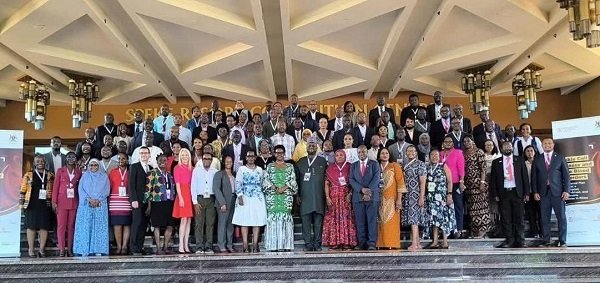
The call was made at the Third Annual International Sickle Cell Disease Conference organised by the International Sickle Cell Centre (ISCC), in collaboration with the Ministry of Health, the Ghana Health Service (GHS) and development partners, to mark World Sickle Cell Day in Accra last Friday.
The conference, on the theme: ‘The Current State of Sickle Cell Disease in Ghana: Progress Made, Challenges Faced and the Way Forward,’ brought together health professionals, researchers, policymakers, development partners, patient groups and advocates to deliberate on the burden of the disease and strategies to improve care.


In a keynote address, the Director-General of the GHS, Dr Samuel Kaba Akoriyea, described sickle cell disease as one of the most common inherited disorders in Ghana and a major public health concern.
He said about 18,000 children were born with the condition each year, with many affected persons experiencing recurrent pain crises, disruptions in education and employment, and significant financial burdens associated with treatment.
Dr Akoriyea explained that the impact of the disease extended beyond individuals and families, affecting productivity, education, mental well-being and placing pressure on the health system.
He noted that although Ghana had made progress through the development of a national sickle cell disease strategy and case management guidelines, several challenges persisted.
These included late diagnosis, limited access to newborn screening and genetic counselling, as well as high out-of-pocket costs for families.
Dr Akoriyea, however, gave the assurance that the GHS was strengthening the integration of sickle cell services into primary healthcare to improve access to screening, counselling, routine monitoring and referral services nationwide.
The Group Executive Chairman of the Tobinco Group of Companies, Dr Samuel Amo Tobbin, underscored the need to treat sickle cell disease as a national development issue rather than a charitable cause.
He said if the condition was recognised as a national public health priority, then the response must be collective and not left solely to government, civil society organisations or affected families.
Dr Tobbin further urged Corporate Ghana to move beyond occasional donations and commit to long-term investments in patient support, research, awareness creation and access to essential medicines.
The Presidential Special Envoy to the Caribbean Region, Kwasi Kyei Darkwah, called for increased public awareness and wider uptake of genotype testing, particularly before marriage and family planning decisions.
He also stressed the need for governments and development partners to back discussions on sickle cell disease with concrete budgetary allocations.
Mr Darkwah observed that the disease had long been neglected in global health priorities, often receiving inadequate funding and being burdened by stigma.
He underscored the importance of increased investment in prevention, care and research to reduce the disease burden and improve outcomes for patients.
BY ABIGAIL ANNOR
Follow our WhatsApp Channel now! https://whatsapp.com/channel/0029VbAjG7g3gvWajUAEX12Q