U.S urges investment in Ghana’s creative economy
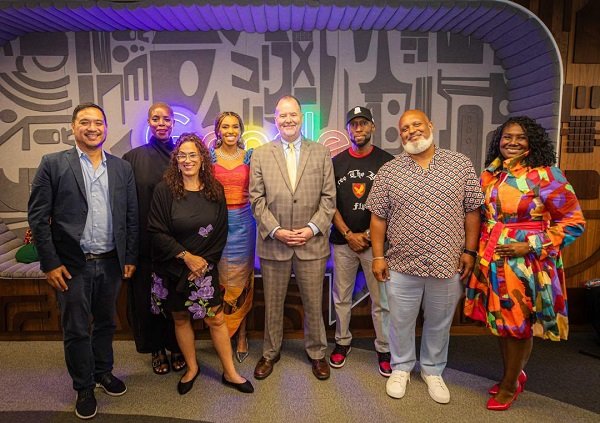
The Chargé d’Affaires of the United States Embassy in Ghana, Rolf Olson, has called for increased investment and stronger policy support to unlock the full potential of Ghana’s creative economy.
He said although Africa had already demonstrated its creative talent to the world, the next priority should be building sustainable structures, strengthening intellectual property protection and attracting investment to enable creatives to grow their businesses and compete globally.
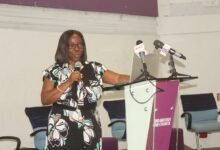
Addressing participants at the closing of the Creative Economy Summit Ghana 2026, held in Accra on Wednesday, he explained that the creative landscape had evolved significantly over the years, citing the emergence of Bollywood and Nollywood as examples of how industries once unknown had become major players in global cinema through quality storytelling.
According to him, streaming platforms had created opportunities for audiences to embrace productions from different countries simply because they offered compelling stories, demonstrating that good storytelling could come from anywhere in the world.

The diplomat said the embassy had, over the past two weeks, brought accomplished American film and media professionals, including Rochelle Ramis, Aaron Rashad Thomas and Paul Garns, to lead directing laboratories and masterclasses, culminating in the summit, which brought together filmmakers, investors and government officials to explore practical ways of unlocking the creative economy for economic growth.
Describing the creative sector as a key economic driver, he elaborated that it created jobs, attracted investment and promoted entrepreneurship and innovation, while urging creatives to preserve the authenticity of their stories, saying their uniqueness was what gave them value in the global marketplace.
Additionally, the Chargé d’Affaires encouraged investors to provide early capital to support the industry’s growth, stressing that investments made at the early stages would build the infrastructure needed for future generations of creatives while also yielding economic returns.
He further called on government officials to strengthen policies on taxation, production financing, contract enforcement and intellectual property protection, noting that such measures would determine whether Ghana captured the full value of its cultural exports and whether international companies would be confident investing in the country.
The Director of Diaspora Affairs at the Office of the President, Ghana, Kofi Okyere Darko, said discussions on the creative economy had moved beyond recognising talent to focusing on investment, financing, technology, exports, intellectual property and job creation.
He said the sector could no longer be discussed by creatives alone, stressing that businesses, governments, investors and technology institutions all had critical roles to play in transforming creativity into an organised economic asset.
The producer and curator of the summit, Dorina Amina Abubakar, said the event was conceived to connect leading African creatives with acclaimed United States industry experts to identify practical solutions to challenges confronting the sector.
She mentioned that beyond showcasing talent, the initiative sought to build long term partnerships, strengthen business models, improve infrastructure and create opportunities that would enable African creatives to produce globally competitive content while investing in the next generation of storytellers.
BY STEPHANIE BIRIKORANG
ollow our WhatsApp Channel now! https://whatsapp.com/channel/0029VbAjG7g3gvWajUAEX12Q