A new era of city partnerships: Korle Klottey and KotovskCity renew cooperation to foster07education, culture & development
IN a defining moment for progressive local governance and international cooperation, the Korle Klottey Municipal Assembly (KoKMA) has taken a bold step onto the global stage by forging a dynamic partnership with the City of Kotovsk, an industrial town on the Tsna River in the Tambov Oblast, in the Russia Federation.
This landmark collaboration reflects KoKMA’s commitment to innovative, citizen-centered governance and demonstrates how local authorities can leverage international partnerships to drive sustainable development, enhance public services, and create tangible benefits for communities.
The high-level official mission visit, which took place from March 25 to 29, 2026, was led by Municipal Chief Executive Alfred Allotey-Gaisie, Municipal Coordinating Director Emmanuel Baisie, Municipal Director of Finance, Ruby Bruce-Bortey, and head of Public Affairs and International Relations.
Beyond ceremonial engagements, the delegation focused on strategic dialogue, institutional learning, and knowledge exchange, signalling a deliberate effort to embed global best practices into local governance systems and strengthen city-to-city collaboration in areas such as education, economic development, healthcare, and cultural exchange.

The visit marked a milestone in decentralised diplomacy, demonstrating how cities are increasingly shaping international cooperation to deliver tangible local benefits. Moving beyond ceremonial engagements, the visit prioritised institutional collaboration, policy exchange, and capacity building, reflecting global best practices in city-to-city cooperation.
By aligning international partnerships with local development priorities, KoKMA seeks to translate global engagement into measurable outcomes while enhancing public service delivery, fostering economic opportunities, and improving social infrastructure for its citizens. Anchored in mutual learning, accountability, and results-oriented governance, this partnership represents a replicable model for sustainable urban transformation and inclusive growth.
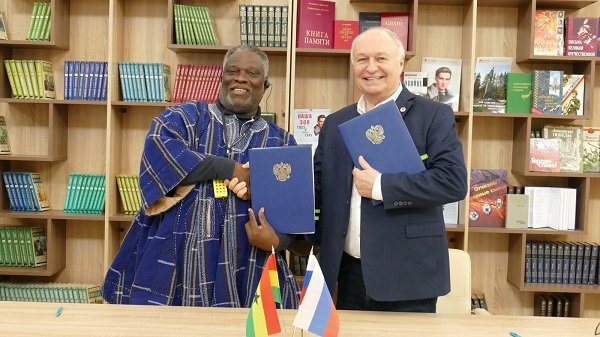
At the heart of the mission visit was the renewal of a friendship and cooperation agreement between the Korle Klottey Municipal Assembly and Kotovsk City, reaffirming a shared commitment to building resilient, innovative, and globally competitive cities. Mayor Alfred Gaisie emphasized that “today’s renewal of our friendship and cooperation agreement with Kotovsk City marks not just a continuation of partnership, but a deepening of our shared vision for resilient, innovative, and people-centered cities. Together, we are expanding opportunities for international education, fostering economic collaboration, and strengthening cultural bonds that enrich the lives of our citizens.”
Echoing this commitment, Mayor Alexey Plakhotnikov added that “this renewed alliance with Korle Klottey is a testament to our dedication to mutual growth, learning, and prosperity. By working hand in hand, we will build institutions that are stronger, communities that are more connected, and a future that is globally competitive and beneficial for both our cities.”
Together, their statements highlight a dynamic partnership grounded in shared values, demonstrating that the agreement is not merely symbolic but a practical framework for cooperation that advances education, economic development, cultural exchange, and institutional capacity directly benefiting citizens in both municipalities.
A major highlight of the visit was the delegation’s strategic engagement with Tambov State University, where discussions opened new pathways for academic cooperation between the two cities.
During a high-level roundtable with university leadership, both sides explored practical mechanisms for securing scholarship opportunities for students from Korle Klottey, while also laying the groundwork for exchange programmes, joint research initiatives, and professional training collaborations.
These discussions emphasized not only academic excellence but also the practical application of knowledge in solving real-world municipal challenges.
Particularly significant were engagements with the Institute of Medicine and Health Preservation, where plans are underway to facilitate access for students from the municipality to pursue medical and health-related programmes.
This initiative is expected to contribute to the long-term strengthening of Ghana’s healthcare workforce by producing highly trained professionals with international exposure.
In a forward-thinking approach, the Korle Klottey Municipal Assembly also proposed positioning itself as a “living laboratory” for academic engagement, offering opportunities for students from Kotovsk to undertake internships, fieldwork, and applied research within the municipality, thereby fostering innovation and knowledge exchange.
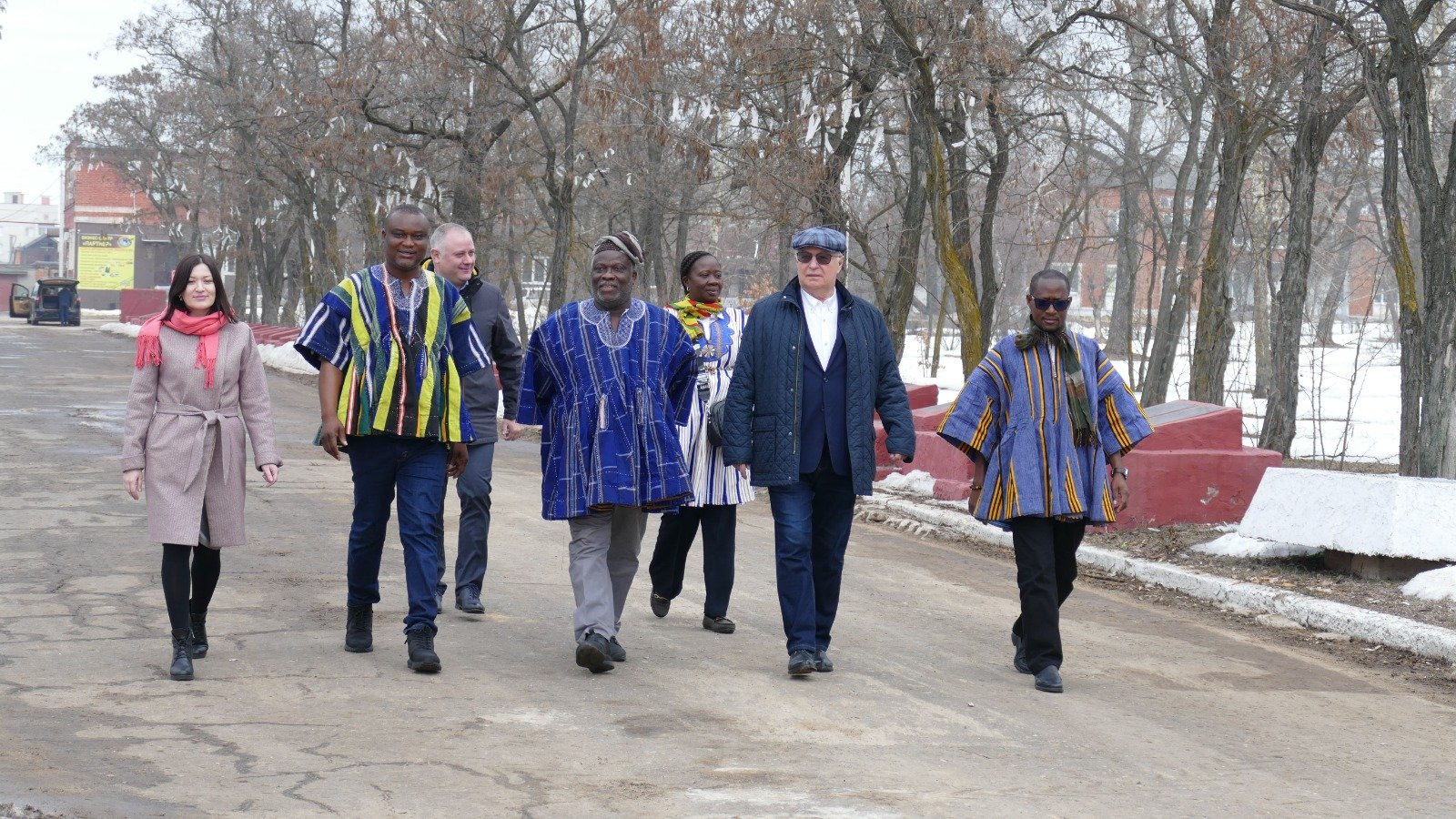
Beyond formal engagements, the delegation experienced firsthand the unique character and dynamism of Kotovsk, a city that blends rich cultural heritage with modern economic development. A visit to the Kotovsk City Museum highlighted the strong sense of community ownership that defines the city, as the museum was built entirely through contributions from local residents.
The city’s identity is further symbolized by the iconic roly-poly toy, known locally as the nevalyashka, which embodies resilience and optimism through its ability to rise again after every fall.
Kotovsk’s economic landscape offers valuable lessons for local development, as the city continues to thrive through a combination of family-owned enterprises that export goods internationally, large-scale logistics infrastructure that employs thousands of residents, and innovative manufacturing industries producing safe, high-quality products.
This blend of tradition and innovation underscores the city’s capacity to compete in a global economy while maintaining strong local roots.
The visit also included a solemn moment of reflection at the Military Park of Glory, where the delegation paid tribute to fallen heroes at the Eternal Flame memorial. This experience reinforced shared values of resilience, sacrifice, and collective memory, highlighting the human dimension of international partnerships.
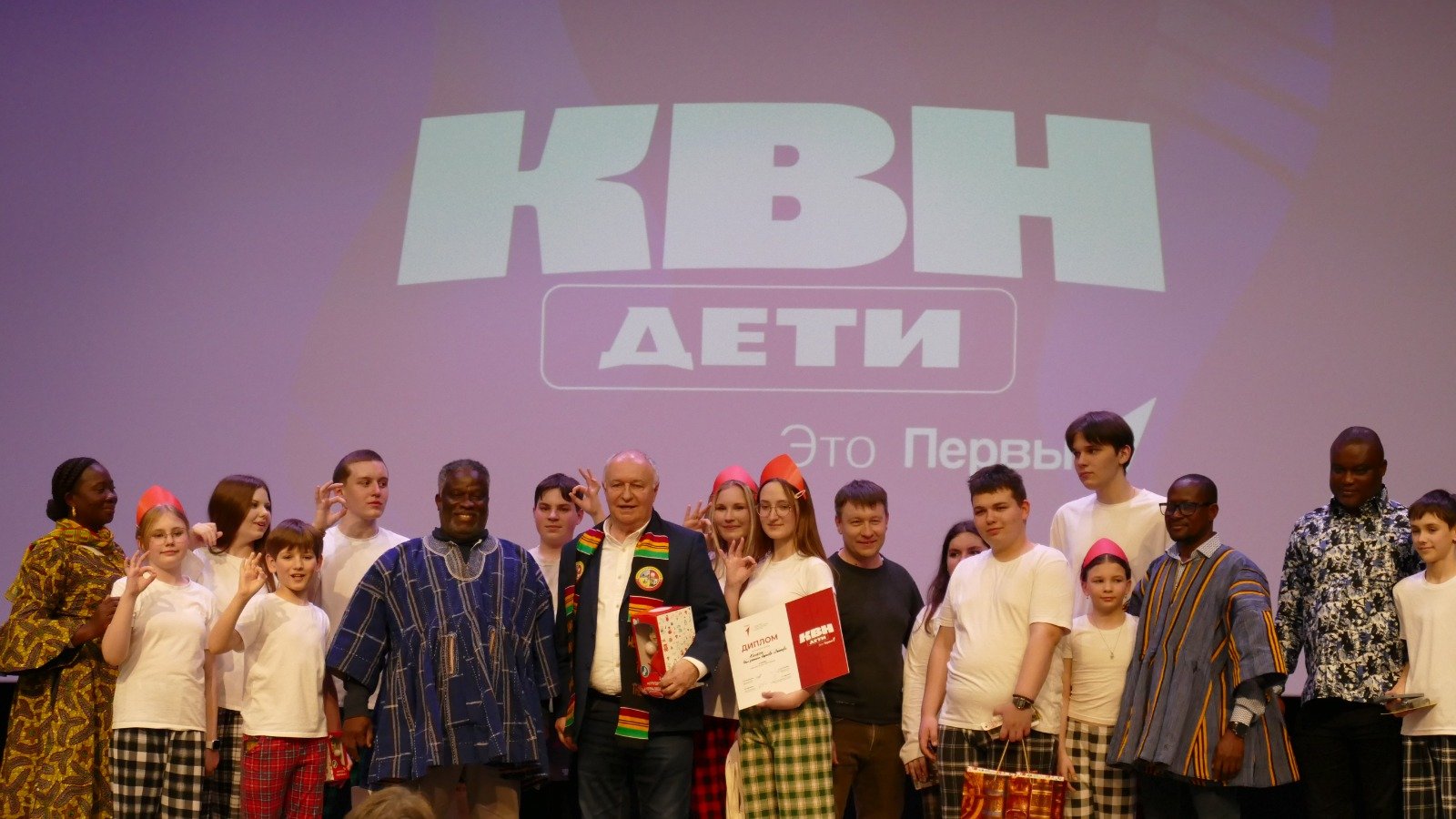
Cultural diplomacy played a central role throughout the mission, with engagements involving artists, students, and youth institutions that showcased the importance of creativity and human connection in strengthening international relations.
Through cultural performances, artistic exchanges, and interactions with young people, the visit laid a strong foundation for enduring people-to-people ties between the two cities.
For the Korle Klottey Municipal Assembly, this partnership represents a strategic opportunity to leverage international cooperation as a tool for transformation. It opens new avenues for global education, enhances institutional capacity, stimulates economic growth, and elevates the municipality’s profile on the international stage.
More importantly, it reflects a leadership vision committed to ensuring that such global engagements translate into meaningful opportunities for ordinary citizens.
As the delegation returns to Accra, the focus now shifts to implementation, where the success of the partnership will ultimately be measured by its impact on the lives of residents.
With clear pathways already established in education, healthcare, economic cooperation, and cultural exchange, the Korle Klottey–Kotovsk partnership stands as a model for how cities can collaborate to drive sustainable development and shared prosperity.
In an increasingly interconnected world, this initiative sends a powerful message that the future of diplomacy is not confined to national governments alone but is increasingly being shaped by cities that are willing to lead, innovate, and build bridges across borders. From Accra to Kotovsk, a new chapter of cooperation has begun, one defined by vision, partnership, and a shared commitment to a better future.
The writer is Head of Public Affairs and International Relations, KoKMA
BY H.B. NII QUAYE OFORI