Beyond the Resolution: Representing Iran at Tema International School MUN 2024
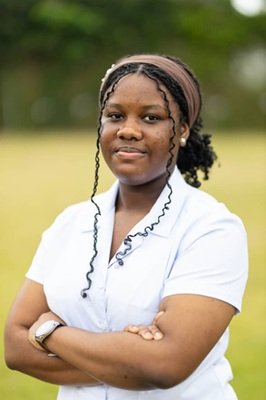
A Model United Nations Conference is a simulation exercise of the procedures and actions of the UN Conference organized for youths, students and graduates alike, where individuals are trained to pick up skills on public speaking, leadership and diplomatic tactics, sharpening already existent ones.
I had the opportunity to attend TISMUN 2024. It was a 3-day conference in which fun, educative activities were organized in order for the participants to maximize the full benefits it offered.
What does it take to defend an unpopular position in a room of more than 50 delegates, challenge established pharmaceutical practices and still emerge as one of the conference’s most distinguished participants?
For me, Tema International School Model United Nations (TISMUN) 2024 was an opportunity to discover precisely that.

As a student delegate of Ghana International School, representing the Islamic Republic of Iran in the World Health Organization (WHO) committee, I was tasked with addressing the topic, Pharmaceutical Corruption: A Strategic Compromise or a Betrayal of Public Trust? As the largest committee at the conference, with over 50 delegates, the WHO presented an opportunity to engage with a complex international issue while navigating the competing political, economic and healthcare interests of member states.
The topic required delegates to look beyond the conventional understanding of corruption. Pharmaceutical corruption extends throughout the pharmaceutical value chain, from research and clinical trials to manufacturing, procurement, pricing and distribution. It encompasses bribery, manipulated drug approvals, regulatory capture, price gouging, conflicts of interest and the distribution of counterfeit or substandard medicines.
At the heart of our discussions was an important ethical dilemma: could compromising certain standards ever be justified to accelerate pharmaceutical development, secure essential medicines or achieve broader economic objectives, or did such practices constitute an unacceptable betrayal of public trust?
Representing Iran provided an interesting perspective. While international sanctions had complicated the country’s access to pharmaceutical supplies, I also recognised that domestic regulatory weaknesses, conflicts of interest and the mismanagement of pharmaceutical resources contributed to the problem.
My research led me to examine reports exposing irregularities within Iran’s pharmaceutical industry, including questionable licensing practices, unnecessary imports, conflicts of interest and the diversion of government subsidies. I also explored the consequences of pharmaceutical shortages for patients, particularly individuals living with chronic conditions such as thalassemia.
One particularly concerning finding was the extent to which pharmaceutical corruption could undermine the very institutions established to protect patients. When regulatory authorities become susceptible to commercial influence, when pharmaceutical contracts lack transparency and when companies prioritise profitable products over essential treatments, the consequences extend far beyond financial misconduct. They directly affect public health.
However, I was determined not to limit my arguments to Iran’s domestic challenges. I wanted to demonstrate that pharmaceutical corruption was a global problem requiring international accountability, regardless of a country’s economic standing or political influence.
My research extended to the pharmaceutical challenges faced by Iran’s allies and even countries with which it had strained diplomatic relations.
I examined reports of medicine smuggling and artificial price inflation in Syria, where pharmaceutical shortages had created opportunities for distributors and intermediaries to sell essential medicines at several times their official prices. I also investigated allegations involving pharmaceutical giant GlaxoSmithKline (GSK), which faced accusations of bribing Syrian doctors and government officials to increase medicine sales. These allegations prompted an internal investigation by the company and raised broader questions about corporate accountability in international pharmaceutical distribution.
My attention also turned to the United Kingdom. I questioned its delegates on pharmaceutical price gouging, drawing attention to the Competition and Markets Authority’s investigation into the dramatic increase in the price of hydrocortisone tablets. The investigation found that the price paid by the NHS for a pack of ten tablets had increased from approximately 70 pence to £72 between 2008 and 2016.
For me, this was an important argument: pharmaceutical exploitation was not a problem that could simply be attributed to developing economies or countries experiencing political instability. Even within established healthcare systems, questionable commercial practices could place enormous financial pressure on public health institutions and patients.
As discussions progressed, I began working towards a resolution that addressed these challenges through greater transparency, international cooperation and stronger regulatory oversight.
As the main submitter, Iran worked alongside China, Venezuela and North Korea as co-submitters. Our proposed solutions included establishing national medical insurance supervision platforms, creating blacklists for illegal medical institutions and individuals, strengthening clinical-trial regulations and introducing digital systems to improve pharmaceutical supply-chain traceability.
I also advocated for randomised pharmaceutical quality checks, stricter monitoring of manufacturing permits and greater investment in local pharmaceutical production. Furthermore, I proposed that the WHO support countries with limited resources by providing access to pharmaceutical testing equipment and independent inspections. I believed that countries should not have to compromise on the safety of medicines simply because they lacked the financial resources to establish comprehensive quality-control systems.
Another central component of my argument concerned the relationship between international sanctions and pharmaceutical access. I challenged the imposition of broad economic restrictions on countries, arguing that financial and economic constraints could further complicate their ability to strengthen regulatory institutions and maintain reliable pharmaceutical supply chains.
However, translating these proposals into an internationally supported resolution proved considerably more difficult than I had anticipated.
My bloc consisted of China, Venezuela and North Korea, alongside Iran as the main submitter. Although we shared common ground on several aspects of the issue, our political associations presented an additional diplomatic challenge. In particular, North Korea’s presence among our allies made some delegates reluctant to support our resolution, regardless of the individual merits of its proposed solutions.
This placed me in an interesting diplomatic position. I had to defend the substance of my proposals while navigating the political reservations of other delegations. Building consensus required more than presenting well-researched arguments; it required convincing countries to look beyond their existing political differences.
Unfortunately, despite our efforts, the resolution did not receive sufficient support to pass.
Nevertheless, one of the most memorable moments of the conference came when I had the opportunity to engage in a one-on-one debate with one of the committee chairs in front of the entire WHO committee. With more than 50 delegates present, the exchange challenged me to defend my country’s position, substantiate my arguments and respond confidently under pressure.
It was an experience that reinforced my appreciation for the intellectual demands of diplomacy. Representing a country means understanding not only its interests but also the arguments of those who oppose it, anticipating challenges and being prepared to defend one’s position.
By the conclusion of the conference, I was honoured to receive both the Best Delegate and Best New Delegate awards, distinguishing myself in the largest committee of the conference.
Receiving both recognitions was particularly meaningful because it demonstrated that, even without securing the passage of my resolution or having the support of a particularly large bloc, I had managed to make a meaningful contribution through my research, participation in debate and engagement with the committee.
Tema International School MUN 2024 taught me that diplomacy is not always about having the strongest allies, securing the most votes or seeing every proposal adopted. Sometimes, it is about having the courage to defend an unpopular position, the preparation to challenge established narratives and the confidence to hold your ground when confronted with opposition.
I left the conference with two awards, but perhaps more importantly, with a deeper appreciation for international dialogue, public health advocacy and the responsibility that comes with representing a country on an international platform.
The writer Keziah – Norah Breindel Lécosson is a student of the Ghana International School