Equip girls with reproductive health knowledge – UNFPA
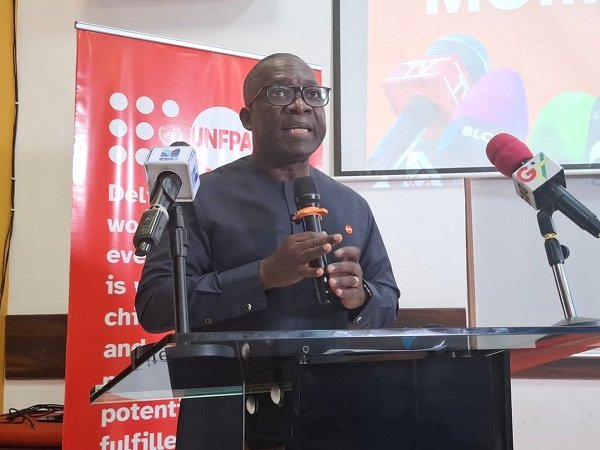
Parents and caregivers have been urged to take responsibility for equipping adolescent girls with comprehensive sexual and reproductive health information to protect them from unintended pregnancies and preventable maternal deaths.
The West and Central Africa Regional Director of the United Nations Population Fund (UNFPA), Dr Sennen Hounton, said although abstinence remained an important message to promote, the reality that many adolescents were sexually active and needed protection must not be ignored.
“The abstinence message in our churches and communities is very good, but we must not be fooled. Adolescents are having sex,” he said.
“If they are having sex, we must protect them. It is the responsibility of families and society to ensure they have the education, information and products they need to protect themselves,” he urged.


Dr Hounton made the call while addressing journalists on the sidelines of the African Union (AU) Extraordinary Health Summit in Accra on Wednesday.
He expressed concern that adolescent pregnancies continued to account for a significant proportion of maternal deaths in West and Central Africa.
“When we look at the data, more than 30 per cent of maternal mortality in our region is among adolescent girls, and they are completely preventable,” he said.
Dr Hounton elaborated that keeping girls in school, preventing child marriage and ensuring access to accurate sexual and reproductive health information and contraceptives would significantly reduce maternal deaths while enabling young women to realise their full potential.
Touching on recent cuts in donor funding for sexual and reproductive health and rights (SRHR) programmes, Dr Hounton warned that the consequences could be severe if governments failed to increase domestic investment in reproductive health.
He thus called for a whole-of-government approach that placed sustainable financing at the centre of national development.
“We need to move the conversation from a health sector perspective to a development perspective,” he stated.
Moreover, Dr Hounton said the reduction in global donor support should serve as a wake-up call for African countries to strengthen regional collaboration and expand local manufacturing of essential health commodities, including contraceptives.
“We cannot talk about sovereignty while stretching our hands for others to use their taxpayers’ money to provide us with commodities,” he mentioned.
The Regional Director disclosed that UNFPA was collaborating with the African Development Bank to develop innovative financing mechanisms, including concessional loans and grants, to enable countries to mobilise additional resources for health investments.
BY ABIGAIL ANNOH
ollow our WhatsApp Channel now! https://whatsapp.com/channel/0029VbAjG7g3gvWajUAEX12Q