Exploring the benefits of Ghana’s Kente geographical indication
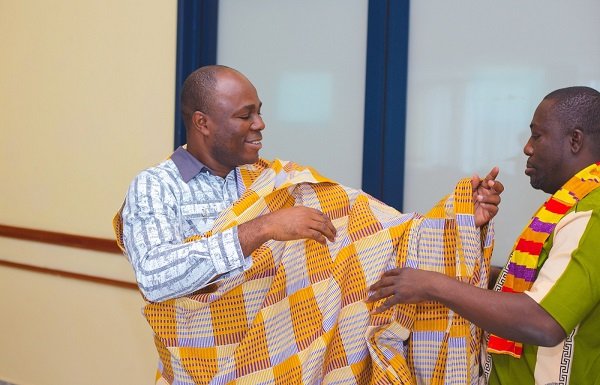
Over the decades, Ghana has promoted Kente and Smock through festivals, cultural diplomacy, tourism campaigns, fashion showcases, and national celebrations. The result is clear: the world admires these heritage textiles. Yet admiration alone does not automatically translate into durable income for weavers, strong national value capture, or reliable consumer assurance. In heritage markets, visibility can create a paradox when a product becomes famous without enforceable protection, copying increases and the original communities may benefit the least.
This is why Ghana’s move to protect Kente through a Geographical Indication (GI) and to extend GI protection to other heritage textiles such as the Smock is not simply another promotional activity. It is an economic and governance strategy. A GI turns a reputation into a legally protected asset. It connects identity, place, skill, and standards into a system that rewards authenticity and protects consumers from misleading products.
What a Geographical Indication means
A Geographical Indication is a sign (or a logo or a symbol) used on products that have a specific geographical origin and possess qualities, a reputation, or characteristics that are essentially attributable to that origin. In other words, it is not just “made in Ghana.” It is “made in a specific place, by people with recognised skills and traditions, using methods that produce a known reputation.”
A GI is therefore a bridge between culture and commerce. It protects heritage while enabling structured trade. It differs from a trademark (which is typically owned by one company) because a GI is usually a collective right connected to a place and a community of producers. It differs from copyright (which protects original creative expressions) because a GI protects the commercial use of a name connected to origin and standards.
From promotion to protection
Promotion is about awareness; protection is about enforceable rules. Ghana’s earlier promotional efforts made Kente and Smock more visible, but when protections are weak, visibility can benefit counterfeiters and opportunistic traders more than the original producers. A GI is different because it creates a protected name and a defined standard. It allows Ghana and the legitimate producer communities to say backed by law what qualifies as authentic Kente (or authentic Smock) and what does not.
In premium markets, buyers pay for trust. When the name is not protected, the market becomes crowded with look‑alike products, inconsistent quality, and confusing labels. That drives prices down and erodes long-term demand. But when the name is protected and tied to standards, authenticity becomes a premium signal. The value shifts back toward the weavers and Ghana.
What Kente GI seeks to achieve
The Kente Geographical Indication (GI) initiative is designed to create meaningful benefits for both Ghana and the communities that have preserved the art of weaving for generations. By protecting authentic Kente, the GI system enables weavers to capture greater value from their craftsmanship through premium pricing, improved access to local and international markets, and more organised supply chains that connect producers directly to buyers. This ensures that the economic rewards associated with Kente’s global reputation flow back to the communities that create it.
For consumers, the GI serves as a trusted guide to authenticity. It provides a clear and reliable way to identify genuine Kente and distinguish it from imitations or misleading products. As a result, buyers can make informed purchasing decisions with confidence, knowing that they are supporting authentic Ghanaian craftsmanship.
The GI framework also promotes consistency and quality. By establishing and enforcing agreed production and labeling standards, it helps preserve the reputation of Kente by reducing variations in quality and preventing inaccurate product claims. Maintaining these standards is essential to sustaining consumer trust and protecting the long-term value of the heritage textile.
Beyond its economic and consumer benefits, the Kente GI strengthens Ghana’s national brand. It provides a credible and internationally recognized framework for telling the story of Kente and its cultural significance. Rather than relying solely on marketing and promotion, Ghana’s cultural diplomacy efforts are reinforced by a system of rules and standards that authenticate the product’s origin, quality, and heritage. In this way, the Kente GI transforms a cultural symbol into a protected national asset that supports both heritage preservation and sustainable development.
What changes for consumers
For consumers whether in Accra, in Africa, or in global diaspora markets, the GI should translate into clear cues: consistent labeling, an authenticity tag, defined product specifications, and a system that can be verified. For producers, it should translate into organised membership, training, inspections, and the right to use the GI only when standards are met. For government and institutions, it requires coordination: protecting the name, monitoring misuse, and supporting producers to comply.
Perhaps the most important shift is in the way consumers think about their purchases. Rather than simply admiring Kente for its beauty and cultural significance, buyers should increasingly ask: “Is this authentic, and does my purchase support the genuine weaving communities and contribute to Ghana’s economy?” When consumers prioritise authenticity and make informed choices, they create demand for genuine products. In turn, the market responds by rewarding quality, preserving tradition, and ensuring that the benefits of Kente’s global reputation flow back to the artisans and communities that have sustained this remarkable heritage for generations.
Next in the Series
In Article 2, we move from the concept to the practice: the standards behind authentic Kente and Smock from loom to label and why standards are the currency of premium markets.
BY GRACE AMA ISSAHAQUE & COURAGE KOMLA BESAH-ADANU, (PH.D.)
The writers are officials of Registrar General’s Department
Follow our WhatsApp Channel now! https://whatsapp.com/channel/0029VbAjG7g3gvWajUAEX12Q