Formalise informal waste workers to improve sanitation – GAYO
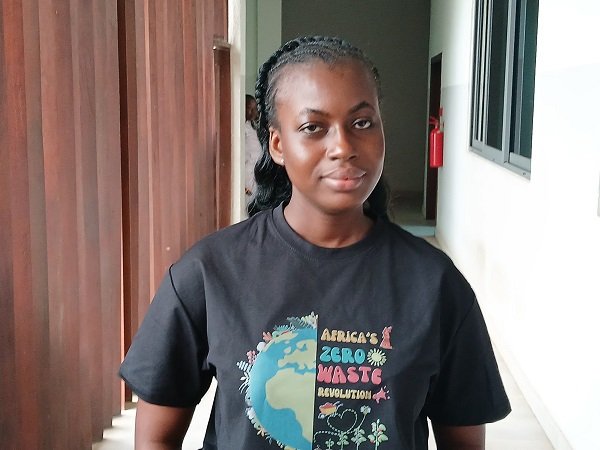
The government has been urged to formally recognise, support and incentivise informal waste workers to strengthen Ghana’s waste management system and improve environmental sanitation.
The Project Coordinator of the Green Africa Youth Organisation (GAYO), Ms Wendy Elom Amankwa, made the call at a national workshop organised by GAYO last Thursday ahead of the launch of the National Union of Informal Waste Workers on Saturday.
She said informal waste workers played a critical role in waste collection and recycling but had not received the recognition and support they deserved.
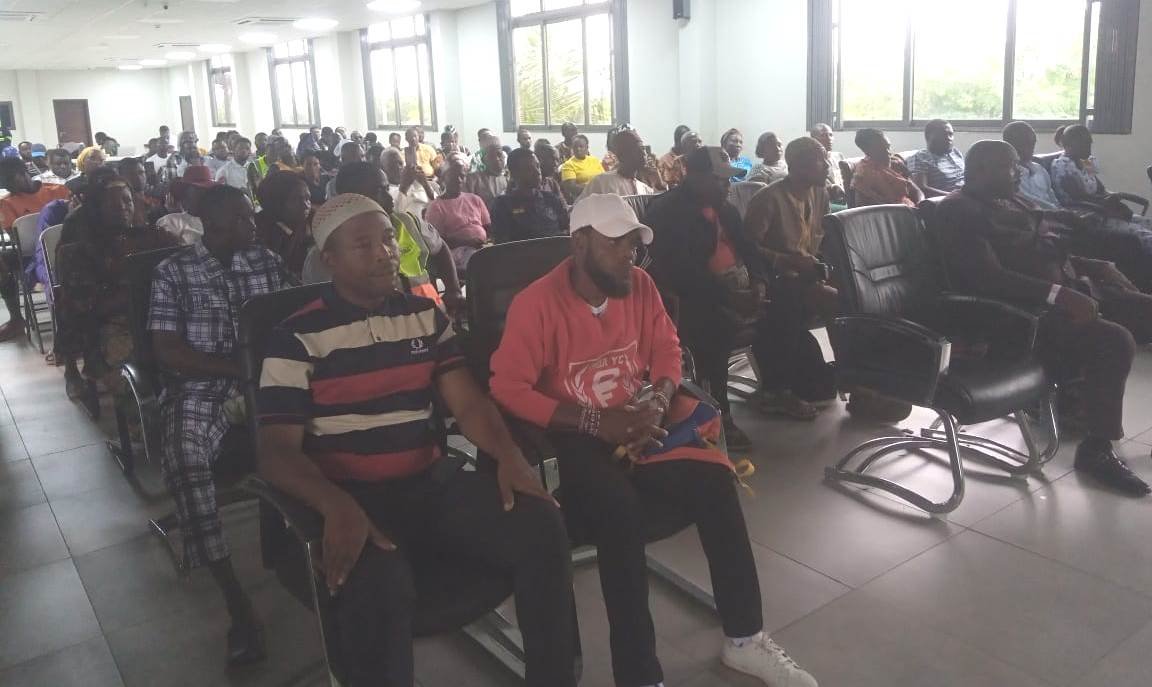
Ms Amankwa said the union would provide a platform for members to contribute to policy discussions on waste management through advocacy and engage the government and other stakeholders in the environmental sector.


She explained that informal waste workers had been unable to participate effectively in policy discussions because they operated in isolation.
“The launch of the union forms part of a national initiative by GAYO to organise informal waste workers under one platform to promote effective advocacy and enhance their contribution to national development,” she stated.
Ms Amankwa said bringing the workers together would strengthen their capacity, amplify their voice and enable them to engage the government and other stakeholders on issues affecting the sector.
She commended President John Dramani Mahama for his call for regular community clean-up exercises, describing the indiscriminate disposal of refuse as one of the major causes of flooding in many parts of the country.
The Chairperson of the Kpone Waste Pickers Association, Mr Divine Dekonor, said the union would provide a unified platform for informal waste workers to advocate their interests, improve their welfare and contribute more effectively to Ghana’s waste management sector.
He noted that despite their significant contribution to waste collection, recycling and environmental protection, informal waste workers had, over the years, received little recognition and respect from society.
Mr Dekonor appealed to the government to provide informal waste workers with equipment, logistics and capacity-building programmes to improve waste collection and recycling activities across the country.
He said increasing waste recovery would reduce the volume of refuse dumped into drains and waterways and help minimise flooding in communities.
He also urged Ghanaians to separate household waste at source and dispose of it responsibly, stressing that proper waste management was a shared responsibility that was essential to protecting public health and preserving the environment for future generations.
BY EUGENE AMPIAW
Follow our WhatsApp Channel now! https://whatsapp.com/channel/0029VbAjG7g3gvWajUAEX12Q