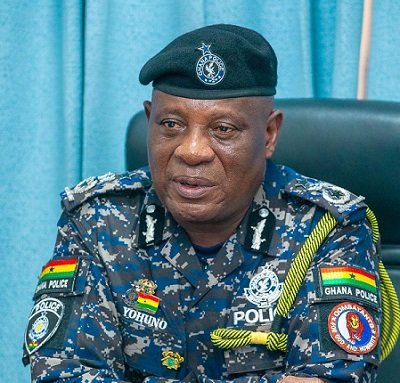
The Inspector-General of Police, Mr Christian Tetteh Yohuno, has stressed the need for intelligence-led policing and stronger international collaboration to combat increasingly sophisticated and transnational crimes.
He said modern policing required proactive intelligence gathering, effective operational planning and the use of advanced technology to address emerging security threats, including organised crime, cyber-enabled offences and violent extremism.
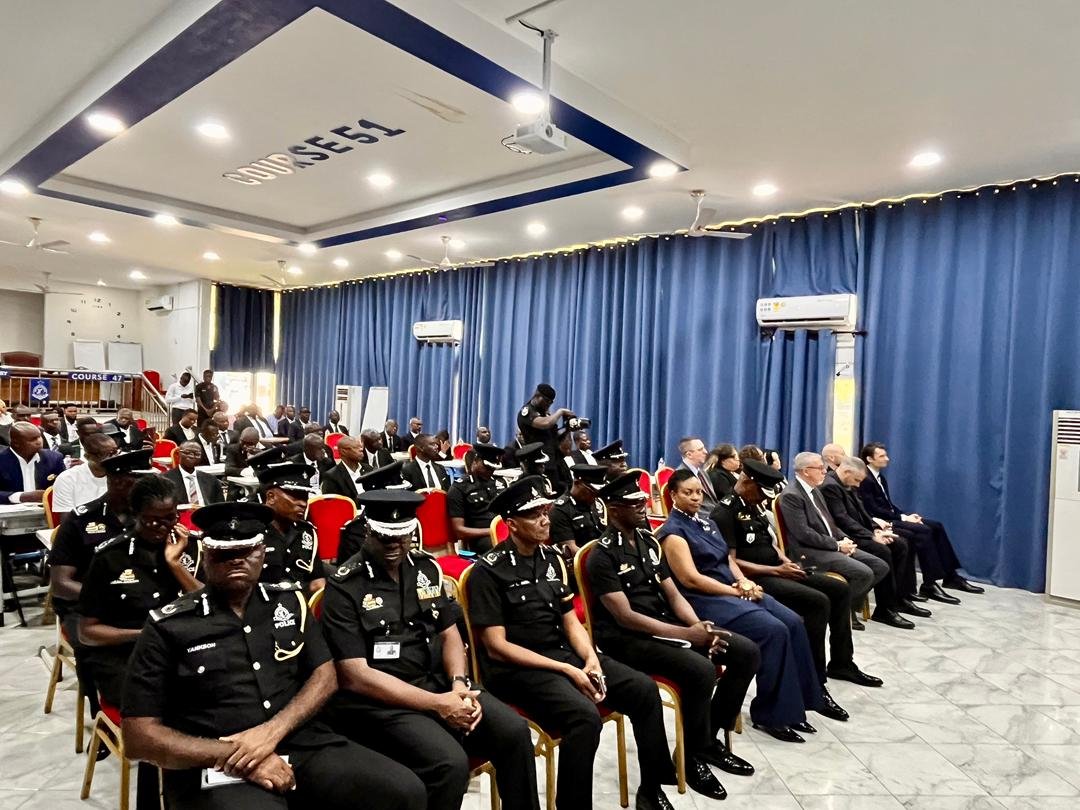
Mr Yohuno made the remarks at the opening of a 10-day Police Intelligence Operations Training Programme at the Police Academy in Accra yesterday.
The programme, organised by the Ghana Police Service in partnership with the United States Federal Bureau of Investigation (FBI), is being facilitated by officers from the FBI and the United States Department of Justice.


It is being attended by 40 officers from the Police Intelligence Directorate.
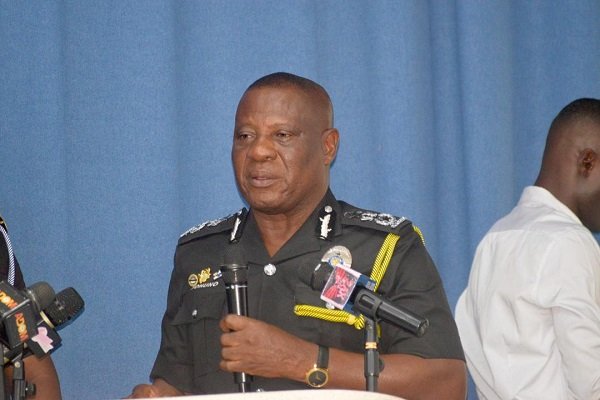
According to the IGP, the changing nature of crime demanded more than traditional reactive policing, stressing that intelligence-led policing had become the backbone of the Service’s operational strategy.
He said the training would equip participants with the knowledge and skills required to collect, analyse and apply intelligence to support crime detection, prevention and investigations.
Mr Yohuno urged the officers to return as “force multipliers”, capable of improving intelligence gathering, strengthening analytical capacity and enhancing inter-agency collaboration within the security sector.
He also called for deeper collaboration with the FBI, including expanded opportunities for advanced training, technical assistance and knowledge exchange.
The IGP expressed the Service’s interest in having more officers undergo specialised training at the FBI Academy in Quantico, noting that such exposure would strengthen institutional capacity within the Police Intelligence Directorate and other key units.
The Acting Deputy Chief of Mission at the United States Embassy in Ghana, Ms Rabia Qureshi, reaffirmed the United States government’s commitment to supporting Ghana in strengthening law enforcement cooperation and institutional capacity.
She said the training programme reflected the strong and enduring partnership between Ghana and the United States, built on mutual respect, professionalism and a shared commitment to security and the rule of law.
Ms Qureshi noted that criminal organisations, traffickers, fraud syndicates and violent extremist groups had become increasingly adaptive and transnational, often relying on secrecy, deception and operational discipline to evade detection.
She stressed that effective intelligence operations and planning were essential in identifying and disrupting criminal networks before they caused harm.
According to her, the training would equip participants with practical skills in intelligence collection, threat identification, human source development, undercover operations and operational planning.
Ms Qureshi also highlighted the growing importance of combining modern technological tools such as open-source intelligence, drones and digital systems with traditional human intelligence methods.
She explained that while technology enhanced operational effectiveness, confidential human sources and community engagement remained critical in detecting emerging threats and infiltrating criminal networks.
She reaffirmed the United States’ commitment to working closely with Ghana to strengthen security cooperation and address evolving threats through sustained partnerships and the sharing of expertise.
BY STEPHANIE BIRIKORANG
Follow our WhatsApp Channel now! https://whatsapp.com/channel/0029VbAjG7g3gvWajUAEX12Q