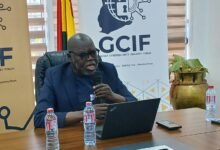
Nestlé Foundation launches Africa alumni network
The Nestlé Foundation for the Study of Problems of Nutrition in the World has launched its alumni network in Africa to connect former grant beneficiaries and researchers across the continent and strengthen collaboration in nutrition and health research.
The network is expected to provide a platform for young researchers and emerging academics to access mentorship, research opportunities and partnerships to address Africa’s nutrition and public health challenges.
Speaking at the launch at the University of Ghana (UG), Legon, on Saturday, the Member of Parliament for Lambussie, Professor Titus Kofi Beyuo, said the initiative was important in ensuring that experienced researchers passed on their knowledge and expertise to the next generation.
He said Africa’s nutrition and health challenges, including stunting, anaemia, food insecurity, obesity and non-communicable diseases, required strong institutions, skilled researchers and effective partnerships to develop sustainable solutions.

Prof. Beyuo, a public health professional, stressed the need for adequate financing for research institutions, saying they should not be expected to depend largely on internally generated funds to undertake research that served the public good.
He also identified mentorship as critical to sustaining research capacity and urged experienced researchers to train young scientists who could eventually undertake high-quality research and secure competitive grants.
“Your papers cannot be passed to your children,” he said, stressing that the most important legacy of a researcher was to develop people who could continue and improve upon their work.
Prof. Beyuo further called for capacity development programmes to go beyond short-term training to include modern laboratories, reliable data systems, ethical research oversight, competitive funding and strong institutional leadership.
He urged African researchers to ensure that their work remained relevant to community needs and that scientific findings were translated into policies and practices capable of improving lives.
He identified complementary feeding, school nutrition, anaemia prevention, adolescent health, healthy lifestyles and food labelling as some areas requiring greater research attention.
Prof. Beyuo also called for stronger collaboration among African countries in research on maternal and child nutrition, food systems, non-communicable diseases and climate-sensitive health.
The Director of the Foundation, Thomas Hauser, said the alumni network was designed to connect researchers and others associated with the Foundation over its 60-year history, while helping young scientists learn about available grants and develop innovative research proposals.
He announced research grants of up to $300,000 to support researchers, particularly those in low- and middle-income countries, to undertake scientific studies in nutrition and related fields.
Mr Hauser said the grants ranged from $20,000 for PhD projects to $300,000 for research programmes lasting up to three years, with an annual ceiling of $100,000.
He said the Foundation received 367 letters of intent in 2025 and maintained a high threshold for scientific rigour in selecting projects for funding.
He added that its online application platform was designed to guide researchers, especially young scientists, in developing strong and relevant proposals.
“The Foundation will not dictate the issues researchers should study but expects them to identify problems that are relevant to their respective regions,” he said.
You can now read the *Ghanaian Times* and *The Spectator* newspapers digitally on [TimesNewsPlus](https://timesnewsplus.com/newspapers).
Follow our WhatsApp Channel now! https://whatsapp.com/channel/0029VbAjG7g3gvWajUAEX12Q