Prioritise employment-led growth – ISSER tells govt
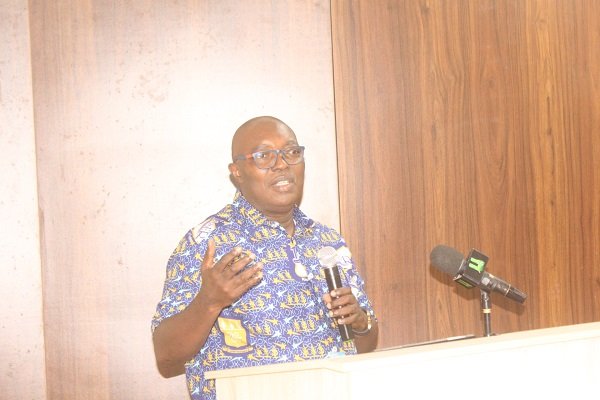
The Director of the Institute of Statistical and Economic Research (ISSER) has called on the government to place employment-led growth at the centre of its economic policies.
It said strong macroeconomic indicators would have little impact unless they translated into decent and sustainable jobs for Ghanaians.
ISSER said while recent economic data pointed to an improvement in growth across key sectors, the quality of that growth and its ability to create employment remained the most important measure of success, urging policymakers to align fiscal and development strategies with job creation and long-term economic transformation.
Presenting ISSER’S review of the 2026 Mid-Year Budget Review and Economic Policy of Government, the Director of ISSER, Professor Robert Darko Osei, said the industrial sector had rebounded strongly after slowing in 2025, recording growth of 6.9 per cent in the first half of 2026. He noted that the recovery reflected renewed momentum in productive activities but cautioned that significant challenges persisted.


According to him, mining and quarrying remained a major driver of industrial growth, expanding by 10.7 per cent, with oil and gas production growing by about seven per cent. He observed, however, that the contribution of the gold sector was likely much higher than reflected in the official figures and called for greater transparency in measuring and reporting gold’s contribution to Gross Domestic Product (GDP).
He also urged policymakers to begin incorporating environmental costs into national economic accounting through a “green GDP” framework, arguing that the environmental impact of mining activities should form part of the country’s assessment of economic performance.
On construction, the ISSER Director said growth of 1.3 per cent was below expectations, particularly at a time when major infrastructure projects had been announced.
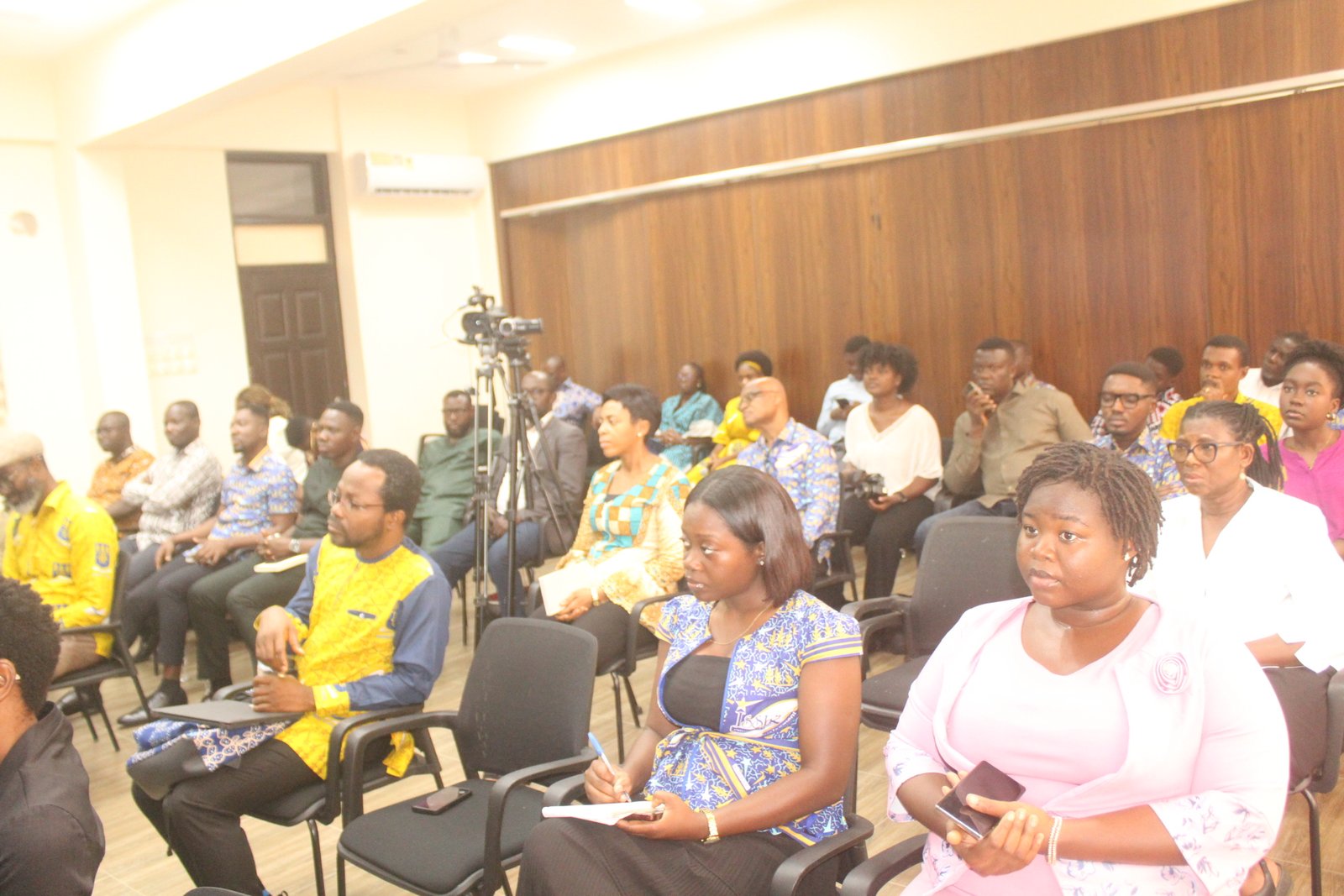
He expressed optimism that activity in the sector would improve during the second half of the year.
Prof. Osei further pointed to the continued contraction of quarrying, which recorded negative growth of 3.7 per cent, linking the development partly to the effects of illegal mining.
He said although public discussions on illegal mining appeared to have subsided, the environmental and economic consequences remained significant, particularly for water bodies, sanitation and sustainable development.
Touching on the services sector, the Director of ISSER said it continued to be the strongest contributor to GDP growth, driven largely by the information and publication sub-sector.
However, he stressed that policymakers must pay closer attention to the quality of jobs being created, noting that structural transformation required more than a shift in the economy’s composition.
Prof. Osei called for a comprehensive review of tertiary education financing, arguing that sustainable investment in infrastructure, equipment and student support was essential to developing the skilled workforce needed for a modern economy.
BY KINGSLEY ASARE