Women, girls exploited in illegal mining communities – Report
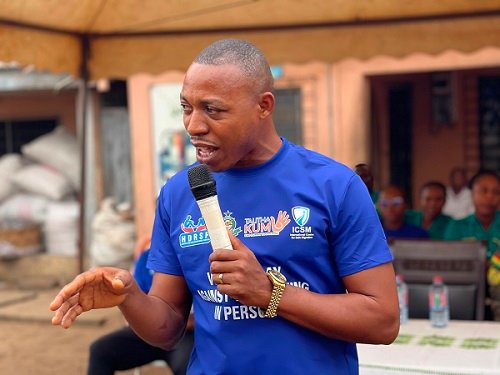
The International Centre for Safe Migration (ICSM), the Handmaids of the Divine Redeemer Sisters’ Foundation (HDRSF) and the Anti-Human Smuggling and Trafficking in Persons Unit of the Ghana Immigration Service (GIS) at Aflao have expressed concern over the trafficking and exploitation of women and girls in illegal mining (galamsey) communities.
They said findings from a study conducted in some galamsey districts revealed a disturbing trend in which women and girls, driven by poverty and unemployment, were lured with promises of legitimate jobs but ended up in exploitative labour and commercial sexual exploitation.
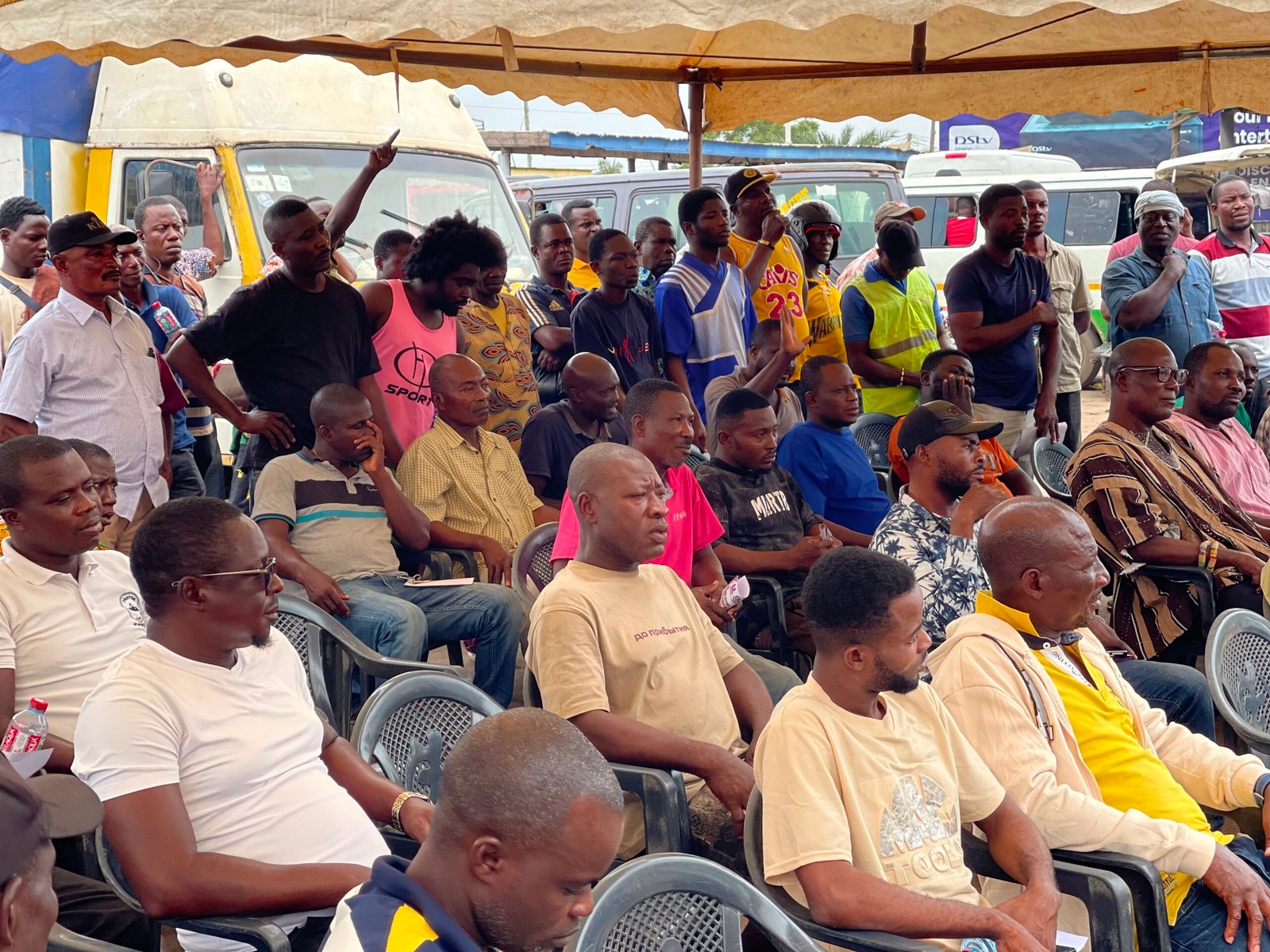
Speaking at a programme to mark the World Day Against Trafficking in Persons at Aflao in the Ketu South Municipality last Friday, the Focal Person for ICSM and HDRSF, Deputy Superintendent of Immigration (DSI) Justice Kudzo Normeshie, said the situation had largely escaped public attention.
He said the abuse extended to debt bondage, confiscation of travel documents and the use of oath-swearing and threats to instil fear in victims, including minors, thereby perpetuating their exploitation.


According to DSI Normeshie, many galamsey communities lacked adequate security presence and were under-resourced, with little access to support services, leaving victims with no choice but to submit to their exploiters.
He expressed concern that Ghana’s response to galamsey had focused mainly on environmental and economic issues such as land degradation, water pollution and illegal mineral extraction, with limited attention to the protection, rescue and reintegration of trafficking victims.
DSI Normeshie said it was time for the government to intensify efforts to prosecute trafficking networks operating in galamsey communities, enforce laws against illegal mining and provide reintegration support for victims.
He added that remote galamsey sites were often beyond the reach of regular security operations, stressing that environmental task forces alone could not address the human trafficking dimension of the problem.
He called for a deliberate, victim-centred anti-trafficking policy to be integrated into all aspects of the national response to illegal mining.
DSI Normeshie further urged transport operators, okada riders, chiefs, religious leaders and civil society organisations to see themselves as the first line of defence against human trafficking and to report suspicious activities to law enforcement agencies.
The Aflao Sector Commander of the GIS, Deputy Commissioner of Immigration Mark Asamoah-Boakye, said the Service remained committed to preventing human trafficking, protecting victims and prosecuting perpetrators.
He stressed that tackling human trafficking and other cross-border crimes required strong collaboration among stakeholders, and commended ICSM and HDRSF for their continued support to the Anti-Human Smuggling and Trafficking in Persons Unit at the Aflao Sector.
FROM SAMUEL AGBEWODE, AFLAO
Follow our WhatsApp Channel now! https://whatsapp.com/channel/0029VbAjG7g3gvWajUAEX12Q