Sports should be a pathway to opportunity, not exploitation

GHANA is increasingly recognising the transformative potential of sports as a powerful tool for socio-economic development, youth empowerment, and national pride.
gender equality, and enhancing health outcomes. According to a 2022 report by the United Nations Office on Sport for Development and Peace (UNOSDP), sports initiatives have contributed significantly to achieving Sustainable Development Goals (SDGs), particularly in areas such as education, health, and social inclusion.
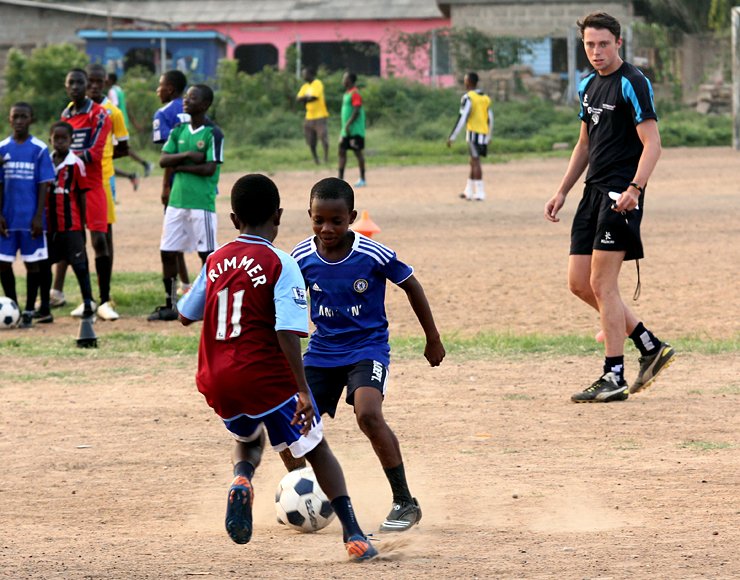
However, recent reports and initiatives highlight the urgent need to combat the darker side of sports, namely, its exploitation as a conduit for human trafficking and other forms of illegal activity. Mr Kofi Iddie Adams, a prominent advocate and government official, has been at the forefront of efforts to reframe sports as a positive force and to implement strategies that protect vulnerable populations from exploitation.
Globally, sports is acknowledged as a driver of development, capable of fostering social cohesion, promoting gender equality, and enhancing health outcomes. The report emphasises that when properly harnessed, sports can create pathways for marginalised youth, improve life skills, and promote peaceful coexistence.

However, the intersection of sports and trafficking presents a complex challenge. A 2021 study published in the International Journal of Human Trafficking indicated that illicit networks often exploit the aspirational nature of sports talent, luring young athletes with promises of greener pastures abroad. These networks frequently operate outside regulatory oversight, utilising unlicensed agents and informal recruitment channels that increase the risk of trafficking, abuse, and exploitation.
Ghana’s strategic response: The IOM initiative
In line with the nation’s commitment to leveraging sports for positive development, the International Organisation for Migration (IOM) is spearheading a high-level national forum titled “Play It Safe: Choose the Right Path in Sports.” Supported by the Development Fund, this initiative aims to galvanise multi-sectoral collaboration among government agencies, civil society organisations, sports authorities, and international partners.
The forum will serve as a platform to discuss strategies for safeguarding young athletes, strengthening regulatory frameworks, and raising awareness about the dangers of trafficking. It also aligns with global efforts to combat trafficking in persons, which the United Nations Office on Drugs and Crime (UNODC) estimates to be a lucrative industry generating over $150 billion annually, second only to drug trafficking.
Findings from baseline research
At a briefing for the Minister of Sports and Recreation, Madam Fatou Diallo Hdiaye, IOM’s Chief of Mission, shared alarming findings from recent research into trafficking risks within the region. The study revealed that nearly 96 per cent of respondents expressed an interest in pursuing sports careers abroad, citing aspirations for better facilities, training opportunities, and financial gains. Unfortunately, over 30 per cent of these aspiring athletes reported falling prey to exploitative recruitment schemes orchestrated by unlicensed agents and intermediaries operating outside legal oversight.
The research also uncovered a troubling network of informal agents and unregulated academies that facilitate recruitment, often engaging in deceptive practices that increase vulnerability to trafficking and exploitation. Young athletes, sports staff, and volunteers are at heightened risk, especially when proper mechanisms for oversight and protection are lacking.
Mr Kofi Iddie Adams emphasises the importance of proper immigration procedures and education in transforming sports into a tool for growth. “Ensuring athletes follow the right routes will help them benefit fully from sportsmanship,” he stated, adding that, “Proper immigration procedures are essential, and we must promote education to transform sports into a tool for growth and development, not trafficking.”
Global context and future outlook
This coincides with the upcoming global spotlight on sports, particularly with events like the FIFA World Cup 2026. The tournament presents an opportunity to strengthen vigilance and cross-sector collaboration, ensuring that development efforts are reinforced and trafficking risks minimised.
Recent months have also seen a surge in cyber scams targeting individuals seeking legitimate sports opportunities. Nearly 500 fake domains mimicking FIFA platforms have been identified, duping aspiring athletes and raising concerns that traffickers are exploiting major sporting events for their illicit networks. Such deceptive practices highlight the need for heightened digital literacy and robust enforcement of online security measures.
Conclusion
Ghana’s efforts to reframe sports as a catalyst for development rather than a gateway for trafficking reflect a broader global recognition of the transformative power of sports when properly managed. Through strategic initiatives, research, and international cooperation, the nation aims to protect its youth, promote ethical sports practices, and harness the full potential of sports to contribute positively to societal growth.
As Mr Kofi Iddie Adams aptly states, “Sports should be a pathway to opportunity, not exploitation,” a vision that aligns with the global agenda of using sports as a force for good.
The writer is the Head of Public Relations and Communications of the Ministry of Sports and Recreation (MOSR).
BY BAGBARA TANKO
Follow our WhatsApp Channel now! https://whatsapp.com/channel/0029VbAjG7g3gvWajUAEX12Q