Ghana’s rising GDP must translate into better lives for citizens
Ghana has reportedly risen to become one of the largest economies in Africa (8th), with Gross Domestic Product (GDP) estimated at about $118 billion, equivalent to GH¢ 1.18 trillion, (assuming $1=GH¢10). GDP is the total monetary value of all final goods and services produced within a country’s borders during a specific period of time, usually a year. The milestone reflects the country’s growing economic significance, driven by sectors such as oil and gas, mining, telecommunications, banking, construction, and services.
While the ranking is a positive signal for investors and policymakers, the real test of economic success is not the size of the economy alone. What matters most is whether ordinary citizens experience tangible improvements in their daily lives. For many Ghanaians, economic progress will be measured not by statistics, but by affordability, employment opportunities, access to quality healthcare and education, stable electricity, and a rising standard of living.
One of the most important ways economic expansion can improve living conditions is through job creation. GDP growth has greater impact when it comes from sectors that employ large numbers of people rather than industries that generate wealth for only a few.
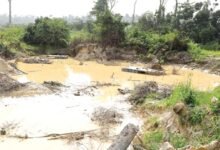
If growth is concentrated mainly in extractive sectors such as gold, oil, and raw commodity exports, the benefits may not spread widely across society. However, if the economy expands through manufacturing, agro-processing, logistics, technology, tourism, and industrial production, more citizens can gain access to stable and better-paying jobs.


For example, processing cocoa locally instead of exporting raw beans could create thousands of jobs across farming, manufacturing, packaging, transportation, and exports. The same applies to pharmaceutical manufacturing, food processing, and textiles. Such industries keep more value within the country and strengthen local supply chains.
Economic growth must reduce the cost of living. A growing economy means little if inflation continues to erode household incomes. For citizens to truly feel the benefits of economic growth, Ghana must achieve macroeconomic stability, which has been on course recently. A stronger economy should help stabilise the cedi, improve foreign exchange reserves, lower borrowing costs, and gradually reduce inflation. When prices become more predictable and wages retain their value, households are able to plan, save, and invest more confidently. There must be an improvement in purchasing power for economic growth to make sense
The economic growth should also generate higher government revenues through taxes and investments. If managed responsibly, these resources can be directed toward critical infrastructure projects that improve daily life.
Better roads, drainage systems, electricity supply, rail networks, ports, water systems, and internet infrastructure would significantly enhance productivity and reduce business costs. In cities such as Accra and Tema, improved infrastructure could ease traffic congestion, reduce flooding, and improve transportation efficiency for both workers and businesses.
Reliable infrastructure also attracts foreign and domestic investment, creating a cycle of further economic expansion and employment opportunities. No country can achieve sustainable prosperity without investing in human capital. A stronger economy should provide an opportunity for Ghana to improve schools, vocational training institutions, hospitals, and healthcare systems.
Increased investment in technical education and skills development would better prepare young people for modern industries and entrepreneurship. At the same time, better-equipped hospitals, improved healthcare access, and expanded health insurance coverage would improve productivity and quality of life.
However, increased spending alone is not enough. Efficiency, transparency, and accountability are equally important to ensure public resources reach the people they are intended to serve.
A thriving small business sector is essential for inclusive and sustainable economic development. Small businesses and informal enterprises form the backbone of Ghana’s economy. Traders, artisans, transport operators, farmers, and small manufacturers employ millions of people across the country.
Economic growth should therefore make it easier for these businesses to access affordable credit, reliable electricity, digital payment systems, and simpler tax structures. Reducing bureaucratic barriers and improving access to finance would enable many small enterprises to expand, employ more people, and increase incomes.
Economic growth must ensure inclusive growth. History has shown that GDP can rise while inequality worsens. Economic growth that benefits only political elites, large corporations, or a narrow segment of society will not improve national living standards in any meaningful way. For growth to be inclusive, policies must deliberately target broad participation and social protection. Investments in rural communities, affordable housing, youth employment initiatives, and anti-corruption measures can help ensure that the benefits of economic progress are shared more fairly.
The country must be able to turn natural resources into long-term wealth. Ghana possesses significant natural and strategic advantages, including gold, oil, cocoa, lithium, and major port infrastructure. The country also enjoys relative political stability compared to many parts of the continent.
The challenge is to transform these advantages into long-term prosperity rather than temporary economic booms. Countries that successfully improve living standards often invest resource revenues into infrastructure, industrialization, education, technology, and sovereign wealth funds.
The ultimate goal should be to build a diversified economy that is resilient, productive, and capable of generating opportunities for future generations.
The Writer holds BA in Economics and MCom in Banking and Finance and is currently a tutor in Economics at Wa Senior High School
BY DAUDA IDDRISU
Follow our WhatsApp Channel now! https://whatsapp.com/channel/0029VbAjG7g3gvWajUAEX12Q