The beautiful game meets books: Integrating grassroots football into Ghana’s education
Introduction
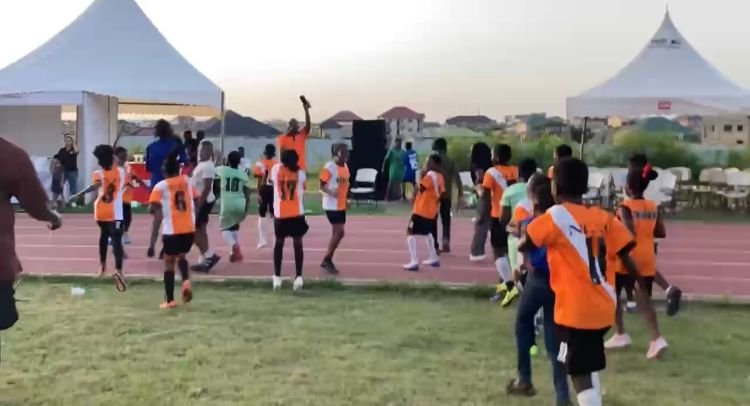
Football is more than just a game in Ghana; it is a passion that unites communities and inspires dreams. However, for many young Ghanaians, the pursuit of academic excellence often overshadows their love for the beautiful game.
But what if these two worlds could collide in a way that benefits both? Integrating grassroots football into Ghana’s educational system could unlock a more holistic approach to learning — one that fosters academic achievement alongside physical well-being, teamwork and social skills.
This article explores the potential benefits of combining football with education in Ghana, as well as the opportunities and challenges that accompany this innovative approach.
Reasons for integration
Holistic development: Football contributes to students’ physical, emotional and social development.


Improved academic performance: Physical activity has been shown to enhance cognitive function and academic achievement.
Increased student engagement: Incorporating football into education can boost motivation and interest in learning.
Life skills development: Football teaches teamwork, discipline, communication and problem-solving skills.
Promotion of healthy lifestyles: Regular participation helps combat childhood obesity and encourages physical activity.
Social cohesion: Football brings students together, fostering social bonds and a sense of community.
Talent identification and development: Integration enables early identification and nurturing of football talent.
Career opportunities: Students can pursue careers as professional players, coaches, administrators or sports journalists.
Implications for sports students
Integrating football into education offers students dual career pathways, allowing them to pursue academics and athletics simultaneously.
Students benefit from enhanced skills development, including discipline, teamwork and time management. They also gain access to scholarships, professional coaching and competitive tournaments.
Participation in football programmes supports physical, emotional and social growth, while networking opportunities with coaches, peers and mentors open doors within the sports industry.
Career diversification becomes possible through roles in coaching, sports management and sports journalism, while involvement in sports builds confidence, self-esteem and overall well-being.
Benefits of integrating grassroots football into Ghana’s education
Football integration enhances academic performance through improved concentration and cognitive development. It supports holistic growth by addressing physical, emotional and social needs.
Student engagement increases as learning becomes more interactive, while life skills such as leadership, communication and discipline are reinforced.
Football also promotes healthy lifestyles, strengthens social cohesion and aids in identifying and developing talented young footballers who may pursue professional careers.
Benefits for schools and communities
School-based football programmes foster school spirit and pride, while strengthening community engagement. Student-athletes often serve as positive role models, inspiring younger learners and encouraging discipline and ambition.
Football initiatives can also promote social cohesion and contribute to broader community development.
Long-term benefits
Investing in football and education contributes to national development by nurturing disciplined, skilled and motivated youth.
Economically, strong football programmes can attract investment, tourism and sponsorship. Football can also drive social change by promoting values such as teamwork, fairness and unity.
The development of sports tourism, increased infrastructure investment and national pride arising from football success further strengthen Ghana’s global image.
Benefits for Ghana
Football has the power to promote national unity by bridging regional and socio-economic divides. Integrating football into education develops human capital by instilling teamwork, discipline and problem-solving skills.
A strong football industry supports economic growth through job creation, sponsorships and tourism, while international recognition enhances Ghana’s global reputation.
Promoting physical activity contributes to a healthier population, reduces healthcare costs and supports youth development, helping to curb crime and delinquency. Ghana can also benefit from exporting football talent abroad, earning foreign exchange.
Suggested policy recommendations
Establish a national framework for integrating grassroots football into Ghana’s education system.
Invest in sports infrastructure within schools and communities.
Provide teacher training and resources to effectively integrate football into the curriculum.
Programmatic suggestions
Implement school-based football programmes for various age groups and skill levels.
Provide structured coaching and mentorship opportunities.
Organise regular tournaments and competitions to promote healthy competition and talent identification.
Partnerships and collaborations
Encourage public-private partnerships involving schools, government agencies and private organisations.
Collaborate with Ghana’s football associations to design and implement grassroots programmes.
Engage local communities to promote participation and long-term sustainability.
Research and monitoring
Conduct ongoing research on the impact of integrating football into education.
Establish monitoring and evaluation systems to assess programme effectiveness and outcomes.
Conclusion
Integrating grassroots football into Ghana’s education system has the potential to transform the lives of young people, schools and communities.
By combining the beautiful game with books, Ghana can nurture a new generation of student-athletes who excel both on and off the pitch. This approach promotes academic achievement, builds life skills and contributes to long-term economic and social development.
Moving forward, sustained investment in infrastructure, coaching and education programmes is essential. Through collective effort, Ghana can unlock the full potential of its youth and create a brighter future for the nation.
BY SETH ARMAH CASILLAS
Follow Ghanaian Times WhatsApp Channel today. https://whatsapp.com/channel/0029VbAjG7g3gvWajUAEX12Q
Trusted News. Real Stories. Anytime, Anywhere.
Join our WhatsApp Channel now! https://whatsapp.com/channel/0029VbAjG7g3gvWajUAEX12Q