Traditional moral values, free speech and the role of chieftaincy in Ghana
When the LGBTQ+ debate was raging in Ghanaian society, one of the most frequently advanced and seemingly convincing arguments was that same-sex relationships were contrary to, and even abhorrent within, the traditional moral values of Ghanaian society. Appeals were repeatedly made to our cultural heritage, traditional institutions, communal values and the moral authority of our ancestors. The underlying argument was that Ghanaian society should not abandon its indigenous moral framework simply because contemporary liberal values were gaining influence elsewhere.
Against this background, I have been wondering about the apparent silence of many of the champions of traditional moral values in the current debate over the arrest and detention of some TikTokers, particularly members of Generation Z, who have allegedly insulted, humiliated or threatened elderly politicians and other public figures. The debate surrounding these arrests has understandably become highly politicised, with opinions often divided along partisan lines. Yet, in my view, there is a deeper cultural and moral question here that should transcend partisan politics: What does our traditional Ghanaian moral culture teach us about respect for elders, responsible speech and the proper way of resolving conflicts?
If we were prepared to invoke traditional values so forcefully in the LGBTQ+ debate, should we not also be prepared to invoke those same values when dealing with disrespectful, abusive or threatening speech directed at our elders and public figures? If respect for elders, communal harmony, responsible conduct and peaceful conflict resolution are genuinely important elements of our traditional moral heritage, then these principles should not become convenient arguments used only when they serve a particular social or political position.
This raises an important question about the role of our traditional rulers. Rather than leaving every instance of offensive or disrespectful speech to be handled primarily through police arrest, detention and the criminal justice system, could our traditional institutions not play a more constructive role in appropriate cases? Where such conduct occurs within their traditional jurisdictions, traditional rulers could, within the limits of Ghana’s Constitution and statutory law, summon the individuals involved, hear both sides, counsel them, encourage reconciliation and, where traditional law permits and lawful authority exists, impose appropriate traditional sanctions.


Such an approach would not mean giving traditional rulers powers that belong exclusively to the courts or the police. Nor should it be used to suppress legitimate criticism of politicians or public officials. In a democratic society, public figures must be prepared to tolerate criticism, including strong and uncomfortable criticism. At the same time, freedom of expression cannot reasonably be understood as a licence to threaten, intimidate, harass or deliberately humiliate others. The challenge, therefore, is to maintain a healthy balance between freedom of speech and responsibility for one’s speech.
Indeed, our chieftaincy institution possesses an important resource that the formal criminal justice system does not always have: moral and communal authority. Traditional rulers often know the families, communities and social networks of those under their jurisdiction. They can therefore approach certain conflicts through dialogue, mediation, restitution, counselling and reconciliation rather than relying exclusively on punishment. Properly exercised, this authority could complement, not replace the constitutional institutions of the Republic.
The larger issue, therefore, is one of consistency. If traditional Ghanaian values are sufficiently important to be invoked in debates about sexuality and family life, they should also be taken seriously when questions of respect, responsibility, communal harmony and the dignity of others arise. Traditional values should not be selective weapons deployed in one cultural debate and abandoned in another.
Perhaps the present controversy offers Ghana an opportunity to ask a broader question: Can our traditional institutions help us develop a distinctly Ghanaian approach to the difficult balance between freedom of expression, accountability, respect for elders and the preservation of social harmony?
Our chieftaincy institution remains sufficiently respected and influential to contribute meaningfully to this conversation. Rather than simply asking whether TikTokers should be arrested or whether politicians deserve respect, perhaps we should ask a more fundamental question: How can Ghana combine constitutional democracy and freedom of expression with the best elements of its traditional culture of respect, communal responsibility, dialogue and reconciliation?
That, in my view, would be a far more constructive way of bringing sanity to our public discourse without sacrificing either our democratic freedoms or our cultural values.
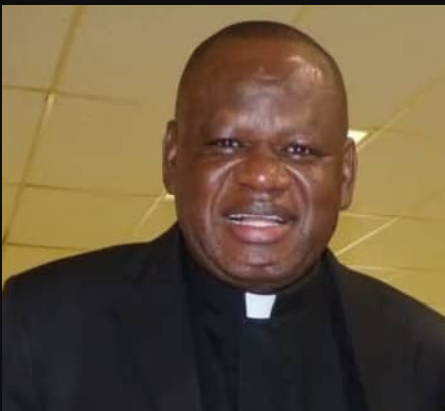
BY REV. FR. CONRAD BAYOR
Follow our WhatsApp Channel now! https://whatsapp.com/channel/0029VbAjG7g3gvWajUAEX12Q