UBIDS students urged to champion accountability, rule of law
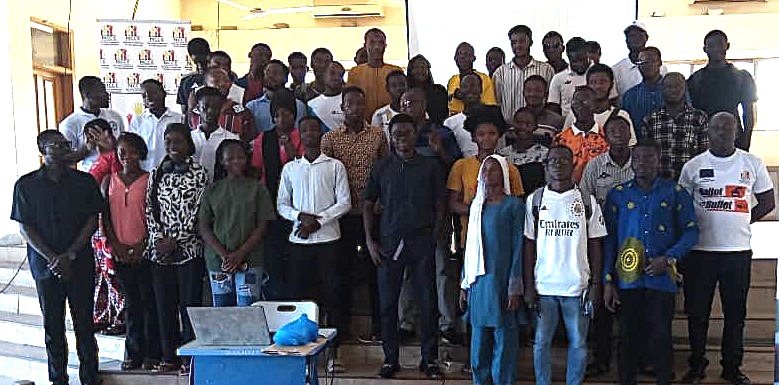
Students of the University for Business and Integrated Development Studies (UBIDS) in the Upper West Region have been encouraged to take active roles in promoting the rule of law, combating corruption and demanding accountability from public officials to strengthen democratic governance.
The Deputy Regional Director of the National Commission for Civic Education (NCCE), Mr Yibile John, said the country could only make meaningful progress when citizens actively participated in governance and held their leaders to account.
He made the remarks at a regional symposium organised by the NCCE in Wa on Monday for members of the UBIDS Civic Education Club and selected students from the university’s eight faculties.
The symposium, which focused on civic engagement, transparency and ethical leadership, formed part of efforts by the NCCE to deepen awareness among the youth about the dangers of corruption and equip them with the knowledge needed to uphold the rule of law.


Mr Yibile John expressed concern that accountability in the country often followed a top-down approach, where institutions acted without meaningful citizen participation.
According to him, such a system alienated citizens and created fertile ground for corruption, influence peddling, conflict of interest and unethical leadership.
He stressed that the rule of law must always prevail over the “rule of man”, and urged the youth to defend democratic values as future leaders of the country.
A resource person from the NCCE Wa Municipal Office, Mr Frederick Bondong, took participants through topics including social auditing, corruption, accountability and the rule of law.
He explained that social auditing was a process through which citizens monitored and assessed the use of public funds and projects to ensure transparency and value for money.
Using the example of a school block promised by a district assembly, he said citizens had the right to verify whether such projects were actually executed.
Mr Bondong noted that corruption remained an abuse of entrusted power for personal gain, and could take various forms, including bribery, embezzlement, favouritism and the awarding of contracts to friends and relatives.
He further highlighted the role of key institutions such as the Commission on Human Rights and Administrative Justice (CHRAJ), the Economic and Organised Crime Office (EOCO), the Auditor-General’s Department and the Office of the Special Prosecutor (OSP) in promoting accountability.
On accountability, he said political leaders must answer to the people, while public officials must properly account for the resources entrusted to them.
Mr Bondong identified fear of victimisation, weak law enforcement, poor record-keeping and limited access to information as some of the major challenges undermining the fight against corruption in Ghana.
The Deputy Regional Director of CHRAJ, Mr Sabastine Ziem, also explained that conflict of interest arose when public officials placed personal interests above public duty, often leading to nepotism, abuse of office and compromised decision-making.
He stressed that ethical leadership must be guided by the principles of freedom, justice, probity and accountability, as enshrined in Ghana’s democratic governance framework.
Mr Ziem also educated participants on key laws used in the fight against corruption, including the 1992 Constitution, the Criminal Offences Act, the Public Procurement Act and the Financial Administration Act.
FROM NAZIRU ALHASSAN, WA
Follow our WhatsApp Channel now! https://whatsapp.com/channel/0029VbAjG7g3gvWajUAEX12Q