Urgent reforms needed to bridge education, skills training gap – stakeholders urge

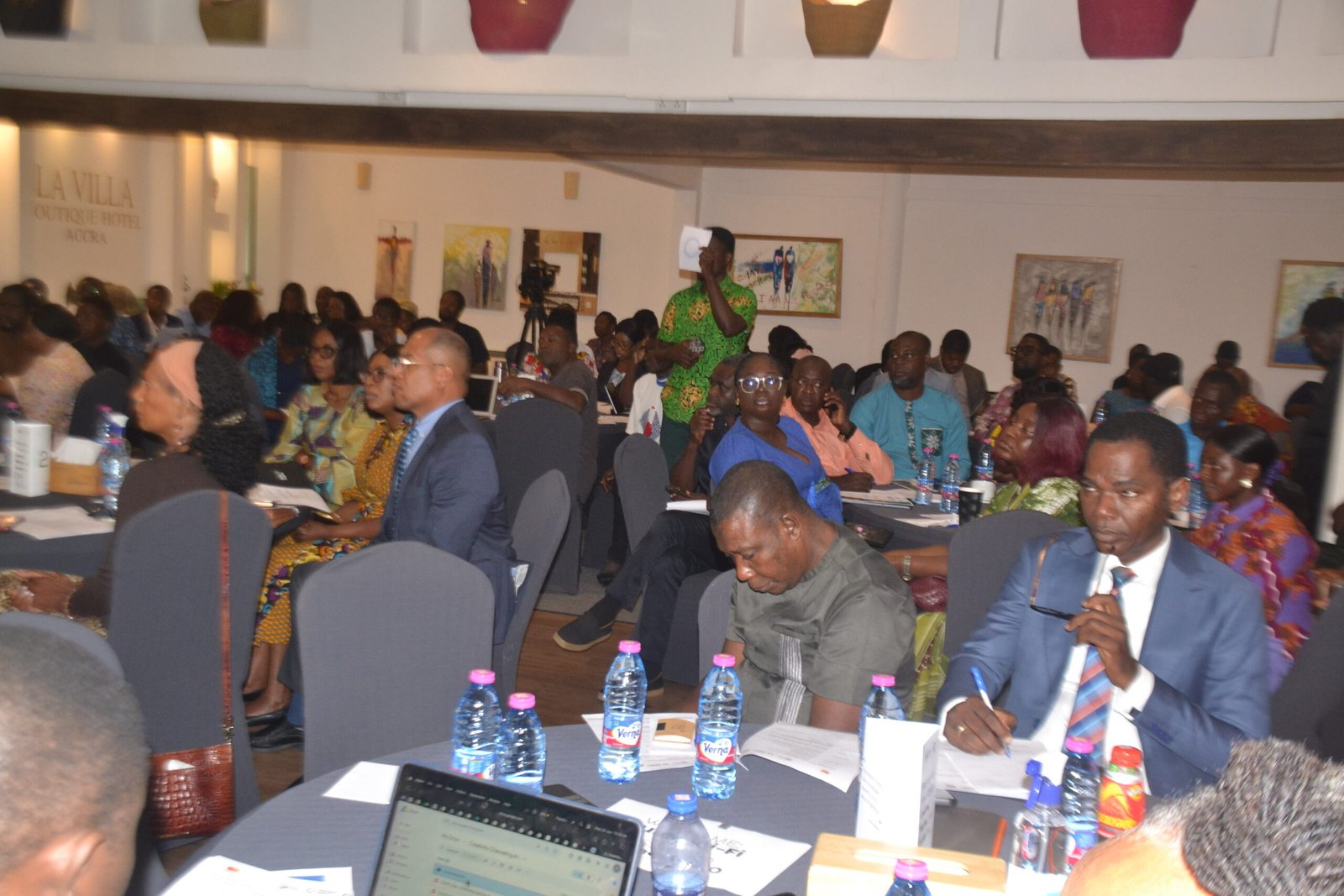
Stakeholder at a consultative roundtable organised by the National Development Planning Commission (NDPC) and the Design and Technology Institute (DTI) in Accra, yesterday have called for urgent reforms to bridge the gap between education, skills training and employment in Ghana as the country develops a long-term strategy to strengthen its human capital.
The meeting brought together representatives from government, industry, academia, training institutions and development partners to review and validate the Skills and Jobs pillar of the draft Ghana Human Capital Development Strategy (2025–2057).
Speaking at the event, the Director of the Development Policy Division of the NDPC, Ms Alice Amekudzi, said Ghana’s development ambitions could only be achieved through deliberate investment in human capital.
She noted that while the country had made progress in expanding access to education and improving social outcomes, many young people still faced difficulties transitioning from school to employment because of skills mismatches and gaps in training.


Ms Amekudzi explained that the draft Human Capital Development Strategy had been developed to provide a long-term framework for investments and reforms in key areas, including education and skills, health and nutrition, productive employment, innovation and digital transformation, equity and lifelong learning, and governance and financing.
She said the consultation would help refine the strategy and identify the conditions needed for successful implementation, including sustainable financing, effective coordination, strong monitoring systems and accountability mechanisms.
The Founder and President of DTI, Madam Constance Swaniker, said the consultation was designed to test the Skills and Jobs pillar of the strategy and generate practical recommendations for implementation.
She said participants were expected to validate the skills and jobs diagnosis, identify priority reforms and assess risks related to apprenticeships, workplace learning, technology adoption and inclusion.
Ms Swaniker noted that AI was transforming how organisations operate and manage human resources, making it essential for Ghana to build a workforce capable of competing in the digital economy.
The President of Tidewater Community College in the United States, Dr Marcia Conston, said countries around the world were grappling with similar questions about how to align education with labour market needs.
She said educational institutions must focus on connecting learning to employment opportunities and economic mobility, adding that community colleges played a critical role because they worked closely with employers and local industries.
Dr Conston said Ghana was asking the right questions by focusing not only on expanding access to education but also on ensuring that skills development leads to jobs, productivity and national competitiveness.
A major focus of the discussions was the growing impact of artificial intelligence on jobs and workforce management.
Recommendations from the roundtable will be used by the NDPC to refine the draft strategy and strengthen its implementation framework before it is finalised.
BY AGNES OPOKU SARPONG
Follow our WhatsApp Channel now! https://whatsapp.com/channel/0029VbAjG7g3gvWajUAEX12Q