Behind the Curve: The Reality of Living with Scoliosis
The Hidden Struggle
Behind school uniforms, forced smiles, and quiet walks are young people living with curved spines and invisible struggles. For many, every day is a battle with pain, uncertainty, and a condition that remains largely misunderstood in Ghana. Despite affecting many young people, scoliosis continues to receive little public attention, leaving many patients and their families to face the challenges alone.
Understanding Scoliosis


Scoliosis is more than a medical diagnosis. It is a condition in which the spine curves abnormally, often forming an “S” or “C” shape. The condition can cause physical discomfort, emotional distress, and significant changes to everyday life. For many young people, scoliosis means living with persistent pain, body image concerns, difficulty standing or sitting for long periods, and the fear of being misunderstood because of their appearance. While some cases are mild, others become severe and may require a brace, physiotherapy, or surgery if not detected and managed early.
What Causes Scoliosis?
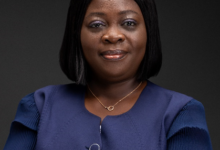
In an interview, Orthopedic Consultant Surgeon and Spine Deformity Specialist Dr. Arthur Sackeyfio explained that scoliosis can develop for different reasons. Some people are born with abnormalities in the spine, a condition known as congenital scoliosis. Others develop scoliosis because of neuromuscular disorders such as cerebral palsy or muscular dystrophy, which weaken the muscles and nerves supporting the spine. However, the majority of cases have no identifiable cause. This is known as idiopathic scoliosis, the most common form of the condition, particularly among children and adolescents.
Recognizing the Signs
According to Dr. Sackeyfio, common signs of scoliosis include uneven shoulders, one hip appearing higher than the other, back pain, a prominent shoulder blade, and noticeable body imbalance.
Although scoliosis affects both boys and girls, severe spinal curves are more commonly diagnosed in adolescent girls. Globally, the condition is estimated to affect between one and three percent of the population.
Types of Scoliosis
Doctors classify scoliosis according to the part of the spine where the curve occurs.
Thoracic scoliosis affects the upper and middle back, known as the thoracic spine or chest region. In severe cases, this type can affect posture and reduce the space available for the lungs, making breathing more difficult. Lumbar scoliosis develops in the lower back and often causes lower back pain, uneven hips, and difficulty standing for extended periods.
Thoracolumbar scoliosis occurs where the thoracic and lumbar sections of the spine meet, with the curve extending across both regions. Cervical scoliosis, though uncommon, affects the neck region and may result in neck pain, stiffness, and discomfort.
Breaking the Myths
According to Dr. Sackeyfio, many scoliosis cases in Ghana are diagnosed late because parents and guardians often mistake the early signs for poor posture, normal body growth, or the effects of carrying heavy school bags. Addressing common misconceptions, he stressed that not every patient with scoliosis requires surgery.
“Not all scoliosis needs surgery, especially when it is diagnosed early.”
He explained that depending on the severity of the curve, treatment may involve wearing a back brace or cast, undergoing physiotherapy and attending regular medical reviews. Surgery is usually considered only when other treatment options are unlikely to prevent the condition from worsening.
Dr. Sackeyfio also dismissed the common belief that carrying heavy school bags causes scoliosis.
“School bags do not cause scoliosis.”
He explained that the condition already exists before symptoms become noticeable. However, carrying heavy loads incorrectly may worsen discomfort or place additional strain on an already affected spine. He advised students to distribute the weight of their school bags evenly across both shoulders.
The Importance of Early Detection
When asked about the challenges patients face in accessing treatment, Dr. Sackeyfio identified affordability and fear as the two major barriers. He encouraged parents and guardians to pay close attention to their children’s posture, shoulder alignment and back, noting that a spinal curve can sometimes be seen long before it becomes severe.
Describing why early diagnosis is essential, Dr. Sackeyfio referred to scoliosis as a “silent killer,” explaining that severe untreated spinal deformities can eventually affect the chest cavity. As the curve progresses, it may compress the heart and lungs, leading to breathing difficulties, cardiovascular complications and, in rare severe cases, life-threatening health problems.
To improve early detection, he called on schools to introduce routine scoliosis screening programmes. He explained that school-based screening can help identify cases early and ensure that children receive appropriate treatment before complications develop.
Challenges Beyond the Diagnosis
Beyond the physical effects of scoliosis, many patients and their families face financial, emotional, and psychological challenges. The cost of treatment can be overwhelming, while fear of surgery and the stigma surrounding visible spinal deformities discourage some people from seeking medical care. Increasing awareness and improving access to treatment are essential to changing these experiences.
A Message of Hope
Despite the challenges associated with the condition, Dr. Sackeyfio offered a message of hope to individuals living with scoliosis. He encouraged patients not to allow fear to prevent them from seeking treatment, assuring them that modern scoliosis surgery can be performed safely when necessary and that many patients go on to live healthier, more confident lives after receiving appropriate care.
Bent, Not Broken
Scoliosis may not always be visible, but its impact can be life-changing. Raising awareness, correcting misconceptions, and promoting early screening can help ensure that people receive timely treatment and the support they need. A simple check today could prevent years of pain and complications tomorrow.
To everyone living with scoliosis, know that you are not alone. A diagnosis of scoliosis does not define you, nor does it determine your future. With early medical attention, appropriate treatment, and the support of family, friends, and healthcare professionals, it is possible to live a full and confident life. Do not let fear or stigma stop you from seeking help.
Your spine may be bent, but your future is not. Remember, you are Bent, not broken.
By Sarah Naa Lamiley Lamptey