The National Communications Authority (NCA) has expressed concern over poor network service delivery and inadequate coverage by telecom operators, noting that many consumers across the country are not receiving the quality of service they pay for.
The Authority has, therefore, indicated its intention to hold service providers accountable for improving service delivery, particularly in the areas of capacity expansion, development of new sites, transmission upgrades, power reliability and the rollout of advanced technologies.
The Director-General of the NCA, Reverend Edmund Yirenkyi Fianko, said the Authority would closely monitor the implementation of roadmaps submitted by operators to address these challenges.
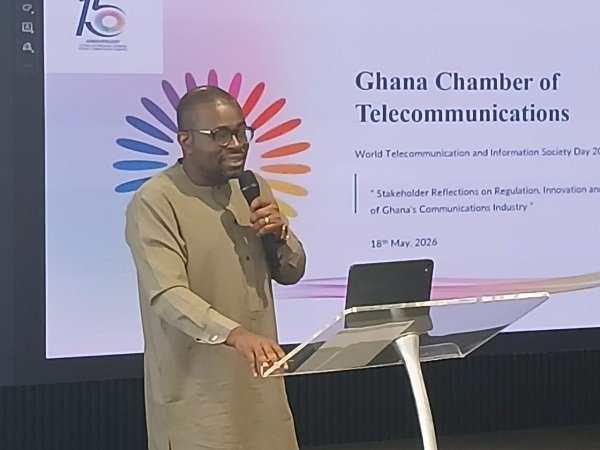
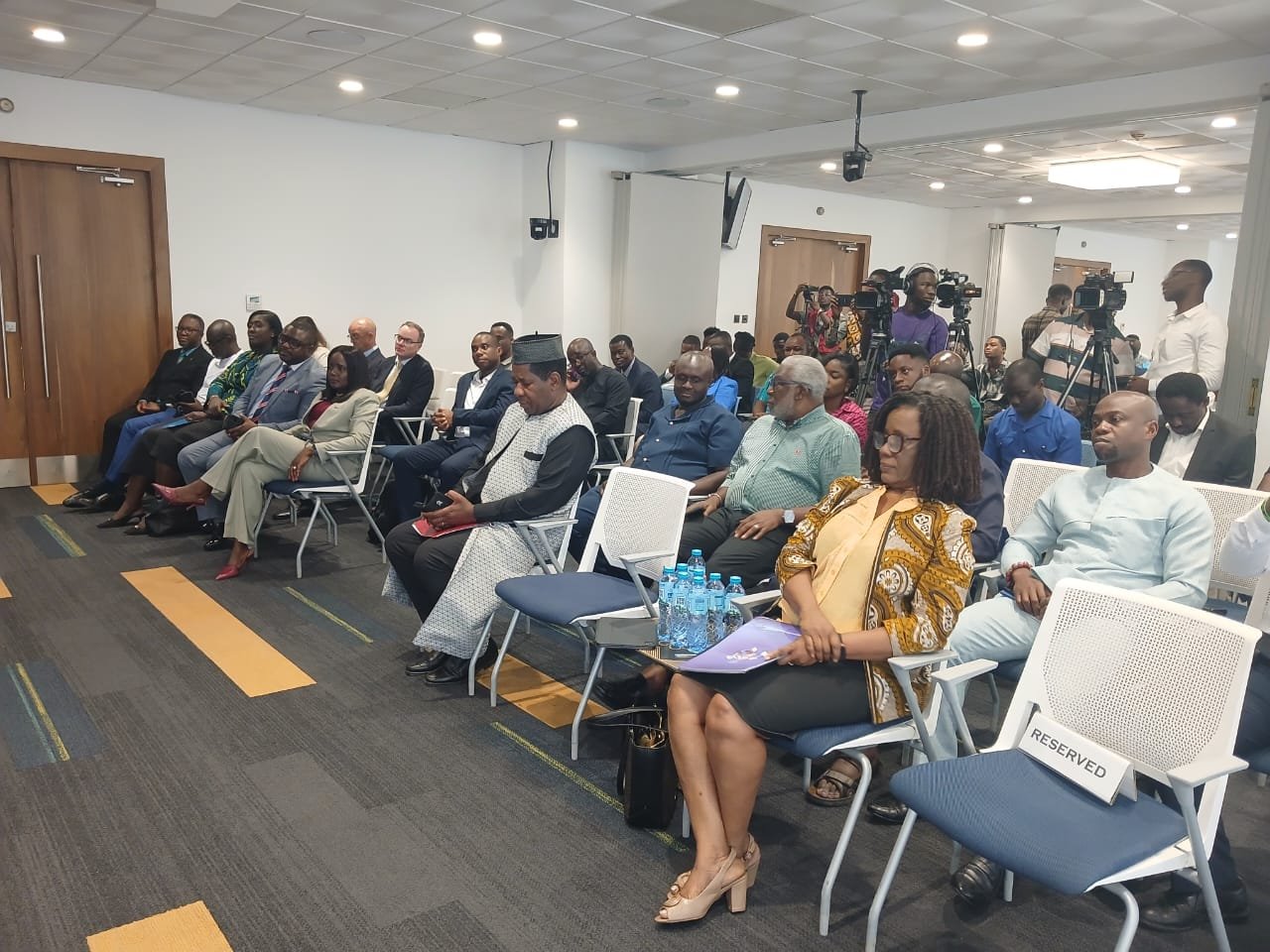
He was speaking at an industry stakeholder forum held in Accra yesterday to mark this year’s World Telecommunication and Information Society Day (WTISD).


The event was held under the theme, “NCA @ 30: Stakeholder Reflections on Regulation, Innovation and the Future of Ghana’s Communication Industry.”
Participants included representatives from the Ghana Chamber of Telecommunications, the Ghana Internet Service Providers Association, the Association of Submarine Cable Operators of Ghana, the Ghana Independent Broadcasters Association, the Ghana Broadcasting Corporation and CUTS International/Consumer Advocacy.
He explained that the decision followed persistent complaints from the public about poor service delivery and limited network coverage.
Rev. Fianko noted that feedback from across the country consistently pointed to a widening gap between the services consumers paid for and what they actually received, describing the situation as a major threat to the trust built within the industry over the past 30 years.
Rev. Fianko further disclosed that the Authority had tightened its quality-of-service benchmarks and would soon publish performance data on telecom operators and service providers.
He also announced plans to roll out a nationwide consumer education campaign in the coming months to raise awareness about service quality.
The Director-General stressed that addressing the problem of poor service delivery required a collective effort, not only from the Authority and operators but also from other stakeholders.
He urged community members, road contractors and security agencies to support the protection of telecommunications infrastructure, adopt a “dig-once” approach to underground installations, and treat vandalism of telecom equipment as a serious offence.
In a related development, the Secretary-General of the International Telecommunication Union (ITU), Mrs Doreen Bogdan-Martin, called for stronger resilience in Ghana’s communications infrastructure through capacity building, international cooperation and adherence to global standards.
Her message, delivered on her behalf by the Board Chair of the NCA, Ms Mavis A. Ampah, highlighted the critical role of connectivity in modern life, noting that disruptions often affected the most vulnerable in society.
The Secretary-General of the United Nations (UN), Mr António Guterres, urged the government to adopt a Global Digital Compact, promote rights-based governance of artificial intelligence, and strengthen collaboration among industry players and civil society.
BY BENJAMIN ARCTON-TETTEY
Follow our WhatsApp Channel now! https://whatsapp.com/channel/0029VbAjG7g3gvWajUAEX12Q

Govt strengthens border screening amid Ebola concerns
BY ABIGAIL ANNOH
Ghana is on high alert following confirmed outbreaks of Ebola in Uganda and the Democratic Republic of the Congo (DRC).
Health authorities say precautionary measures have been activated nationwide to strengthen the country’s preparedness and response systems against a possible outbreak.
However, no suspected or confirmed case of Ebola has been recorded in the country, according to a statement signed and issued yesterday by the Minister of Health, Kwabena Mintah Akandoh.
According to the minister, a number of interventions are being implemented to prevent an outbreak, including enhanced surveillance and screening at Ghana’s ports and borders, as well as increased monitoring of travellers arriving from affected countries.
“We are training and equipping health workers to identify, isolate and manage suspected cases safely.
We have also activated public health emergency coordination and rapid response systems, and intensified public education, risk communication and community awareness activities on the disease,” the statement said.
The minister advised the public to wash their hands regularly with soap under running water or use alcohol-based hand sanitisers, avoid direct contact with bodily fluids of sick persons, and refrain from handling dead bodies without appropriate protection.
Furthermore, he urged the public to avoid handling or eating sick or dead wild animals and to ensure that all meat were properly handled and thoroughly cooked before consumption.
“Report suspected symptoms immediately to the nearest health facility and avoid spreading misinformation. Rely only on official updates from the Ministry of Health and the Ghana Health Service.
“We remain committed to protecting the health and safety of all persons in Ghana and will continue to monitor the situation closely,” the statement assured.
The World Health Organisation (WHO) has declared the Ebola outbreaks caused by the Bundibugyo virus strain in the DRC and Uganda a public health emergency of international concern.
As of May 15, a total of 246 suspected cases and 80 deaths, including four among confirmed cases, had been reported.
Sixty-five contacts have been identified, with 15 classified as high-risk.
Most of the suspected cases are between 20 and 39 years old, with females accounting for more than 60 per cent, suggesting heightened risks associated with household and caregiver transmission.
The WHO has pledged support to affected countries while urging nations worldwide to strengthen preparedness measures and prevent international transmission.
Ebola is a severe and often fatal disease transmitted through direct contact with infected bodily fluids, contaminated materials or infected animals.
Symptoms include fever, weakness, muscle pain, vomiting, diarrhoea and, in severe cases, internal and external bleeding.
Since 2014, the African region has recorded sporadic Ebola outbreaks, with countries such as the DRC, Uganda, Guinea, Sierra Leone and Liberia among the hardest hit.
Ghana has not recorded any confirmed case of Ebola to date.