Drug abuse among youth worsens in Pusiga – Chief
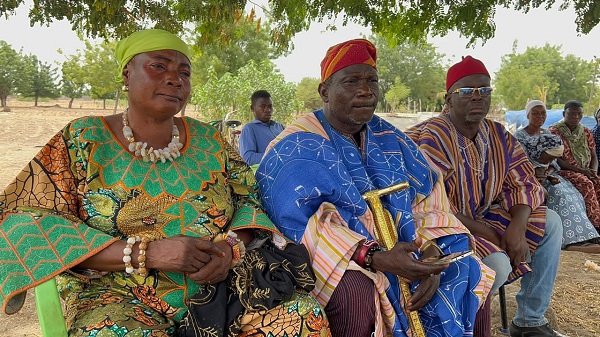
THE Chief of Mandago, Naba Baba Musah Asemada, in the Pusiga District of the Upper East Region, has expressed concern over the increasing involvement of youth in drug abuse in the area.
According to him, the menace is gradually getting out of hand as it continues to spread among the youth in Mandago, Nware, and other nearby communities, with a corresponding rise in crime.
The chief disclosed this to The Ghanaian Times on the sidelines of a meeting assessing the impact of the Building Resilience Against Violent Extremism (BRAVE II) project at Mandago.
He noted that many productive young men in the area are struggling with poverty due to limited job opportunities, a situation that is driving some into drug use as a form of escape, leading to broken marriages, depression, and frustration.


“The youth who are into agriculture cannot access water for irrigation farming to sustain their families. Years ago, we managed with wells for dry-season farming, but this year the wells have dried up. This situation has threatened many marriages, and I can tell you that poverty is the major cause of these broken homes,” he lamented.
Naba Asemada further noted that some affected youth have resorted to drugs such as “Red 225” and tramadol (locally known as “tramol”), while others rely on excessive alcohol consumption as what he described as “palliative relief.”
He warned that idle young men could be vulnerable to recruitment into insurgent and guerrilla groups in neighbouring Burkina Faso if the situation is not addressed.
The chief called on the Member of Parliament for Pusiga, Hajia Lardi Ayamba, government, and development partners to support irrigation dam construction and introduce social intervention programmes to improve livelihoods.
He acknowledged the impact of the BRAVE II initiative, implemented across the eastern corridor by the Belim Wusa Development Agency (BEWDA), in transforming lives.
According to him, some women in the community have benefited from skills training in rice parboiling, soap-making, apprenticeships, and other hands-on programmes facilitated by local service providers.
The Executive Director of BEWDA, Mr Peter Asaal, disclosed that 750 beneficiaries from five communities—including Bansi, Sapeliga, Kugri, Nware, and Mandago—will receive start-up support after completing a 12-month training programme.
He added that farmers under the project have received fertilisers, while trade beneficiaries have also been supplied with sewing machines to support their training.
“We want to ensure that people in border communities become economically empowered to resist any temptation to be lured by violent extremist groups in neighbouring Burkina Faso,” he stated.
Refugee beneficiary Salamatu Fuseini noted that asylum seekers at Nware have been peacefully integrated with indigenes and migrant groups, including Fulbes, following BRAVE II interventions.
Another beneficiary, Malik Atinga, said the initiative could help prevent youth radicalisation by providing sustainable livelihood opportunities.
FROM FRANCIS DABRE DABANG, PUSIGA
Follow our WhatsApp Channel now! https://whatsapp.com/channel/0029VbAjG7g3gvWajUAEX12Q