Ghana’s budget transparency score dropped from 46 points in 2023 to 22 points in 2025, the lowest ever recorded by the country since it began participating in the Open Budget Survey (OBS).
The score places Ghana below both the Sub-Saharan African average of 38 points and the international benchmark of 61 points.
According to the survey, the decline was largely due to delays in the publication of key fiscal documents, a situation that undermined accountability and weakened citizens’ ability to engage meaningfully in the national budget process.
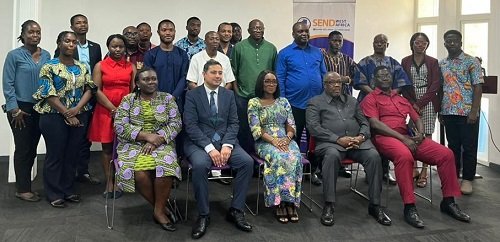
This came to light at the launch of the 2025 OBS report in Accra on Wednesday by the International Budget Partnership (IBP) and non-governmental organisation, SENDGhana.

Since 2015, Ghana’s performance in the survey, which assesses public access to information on how central governments raise and spend public resources, has largely hovered around 50-point mark before declining sharply in the latest assessment.
The biennial survey, now in its 10th edition and covered 82 countries, is regarded as the world’s only independent, fact-based research instrument that uses internationally accepted criteria to assess public access to central government budget information.
Presenting findings of the survey, a Programme Officer of SENDGhana, Mr Mohammed Tajudeen Abdulai, said Ghana’s performance was affected mainly by the failure to publish two key documents — the Executive Budget Proposal and the Citizens Budget — within the required timeframe.
He explained that only five of the eight key budget documents assessed were publicly available during the review period, while only two met the required standard for comprehensiveness.
With regards to budget oversight, Mr Abdulai said Parliament and the Audit Service provided weak oversight of the budget process, resulting in Ghana recording a score of 33 out of 100.
Notwithstanding, Ghana’s public participation score improved from three points in 2023 to 22 points in 2025, reflecting efforts to create opportunities for citizens to engage in aspects of the budget process.
Mr Abdulai called for the timely publication of all key budget documents, broader citizen participation throughout the budget cycle and the establishment of an Independent Fiscal Institution (IFI) to strengthen accountability.
“We need to publish key documents online and on time, ensure open participation at every stage of the budget process and strengthen independent oversight to sustain public confidence in government expenditure,” he stated.
He urged government to expedite action on the establishment of the IFI to provide independent and non-partisan information to both the Executive and Parliament during the budget process.
Contributing to a panel discussion on the findings, former Deputy Minister of Finance and Member of Parliament for Atiwa East, Mrs Abena Osei-Asare, acknowledged the need to improve the timely release of budget information to facilitate public scrutiny.
She also stressed the need for stronger parliamentary oversight, saying that improving public financial management was a collective responsibility that required reforms to ensure every cedi approved by Parliament was used effectively and transparently.
The Member of Parliament for Nhyiaeso, Mr Stephen Amoah, called for closer collaboration between Parliament and the Ministry of Finance to improve data collection, reporting and citizen participation in the budget process.
BY ABIGAIL ANNOH & NELLY QUARCOOPOME
Follow our WhatsApp Channel now! https://whatsapp.com/channel/0029VbAjG7g3gvWajUAEX12Q