Innovation key to transforming Ghana’s tourism – Chief of Staff
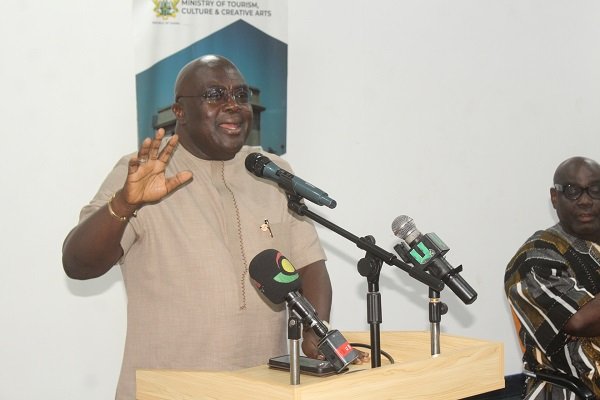
Innovation remains the most critical factor in repositioning Ghana’s tourism sector to compete effectively on the global stage, the Chief of Staff at the Presidency, Mr Julius Debrah, has said.
He explained that innovation in tourism goes beyond infrastructure to include branding, digital engagement and the creation of immersive visitor experiences.
Mr Debrah, therefore, called for a shift from conventional approaches to more creative and forward-looking strategies to unlock the sector’s full potential.
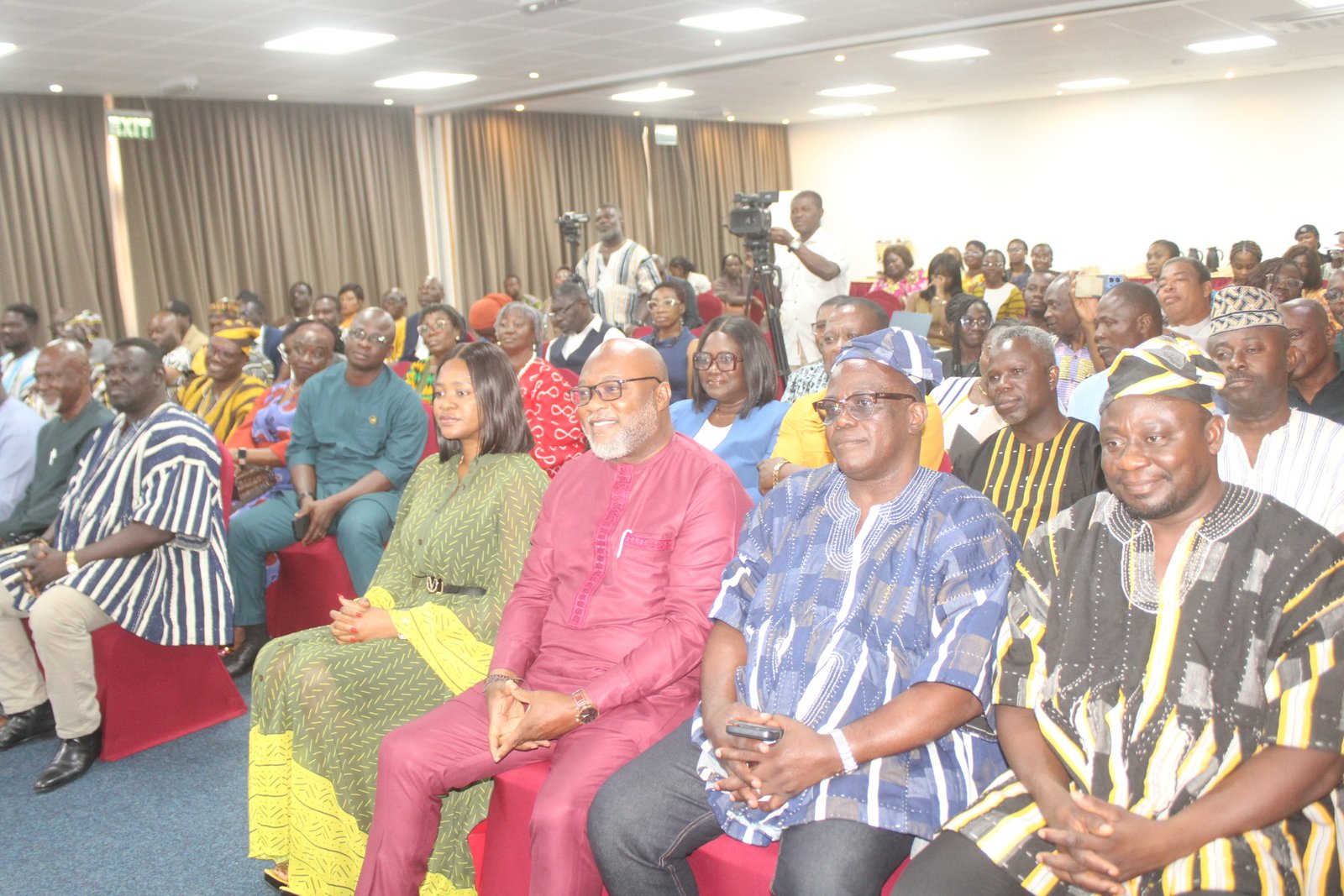
He made the call at a high-level stakeholder consultative meeting in Accra on Wednesday, attended by the Minister of Tourism, Culture and Creative Arts, Ms Dzifa Abla Gomashie, and heads of agencies within the tourism and creative arts industry.

The meeting discussed key challenges confronting the sector and explored practical measures to improve its performance and competitiveness.
Mr Debrah said tourism success was largely driven by perception, stressing the need for Ghana to tell compelling stories that resonate with international audiences.
He urged stakeholders to rethink how the country’s history, festivals and creative arts were presented, noting that countries that excel in tourism invest significantly in crafting appealing narratives around their identity.
He also underscored the need to align efforts between the public and private sectors to drive innovation-led growth, and called on agencies to collaborate in developing marketable concepts capable of attracting both tourists and investors.
Mr Debrah reaffirmed the government’s commitment to promoting creativity and innovation, expressing confidence that with the right mindset and strategy, Ghana could emerge as a leading tourism destination in Africa and beyond.
For her part, the Minister of Tourism, Culture and Creative Arts, Ms Dzifa Abla Gomashie, emphasised that the sector was at a critical turning point and required urgent reforms, strategic investment and stronger collaboration to realise its full potential.
She stressed the need for decisive action to address persistent challenges affecting growth and global competitiveness.
Ms Gomashie noted that although significant policy initiatives had been introduced, including the Ghana National Cultural Policy and the Culture Indicators Programme, effective implementation and coordination among stakeholders remained the real challenge.
She identified weak integration between tourism and sectors such as agriculture and the creative industry as a major constraint, warning that without deliberate linkages, the sector would continue to underperform despite its vast potential.
The minister also cited infrastructure and logistical deficits, particularly in transportation and tourism services, as major obstacles to enhancing visitor experience, and called for increased private sector participation to improve service delivery across the country.
She further expressed concern about the shortage of skilled personnel in the hospitality industry and advocated the establishment of world-class training institutions, alongside expanded internship opportunities.
Ms Gomashie also warned of a growing disconnect between young people and Ghana’s cultural heritage, urging intensified cultural education and engagement.
Moreover, she underscored the importance of reliable data in shaping policy and attracting investment, highlighting tourism satellite accounts and international visitor surveys as critical tools for informed decision-making.
Ms Gomashie reiterated the need for stronger public-private partnerships to mobilise investment, expand tourism offerings and drive innovation, with the aim of transforming the sector into a major pillar of economic growth, job creation and national identity.
BY NELLY QUARCOOPOME
Follow our WhatsApp Channel now! https://whatsapp.com/channel/0029VbAjG7g3gvWajUAEX12Q