Regional Ministers schooled on Security, Intelligence Agencies law
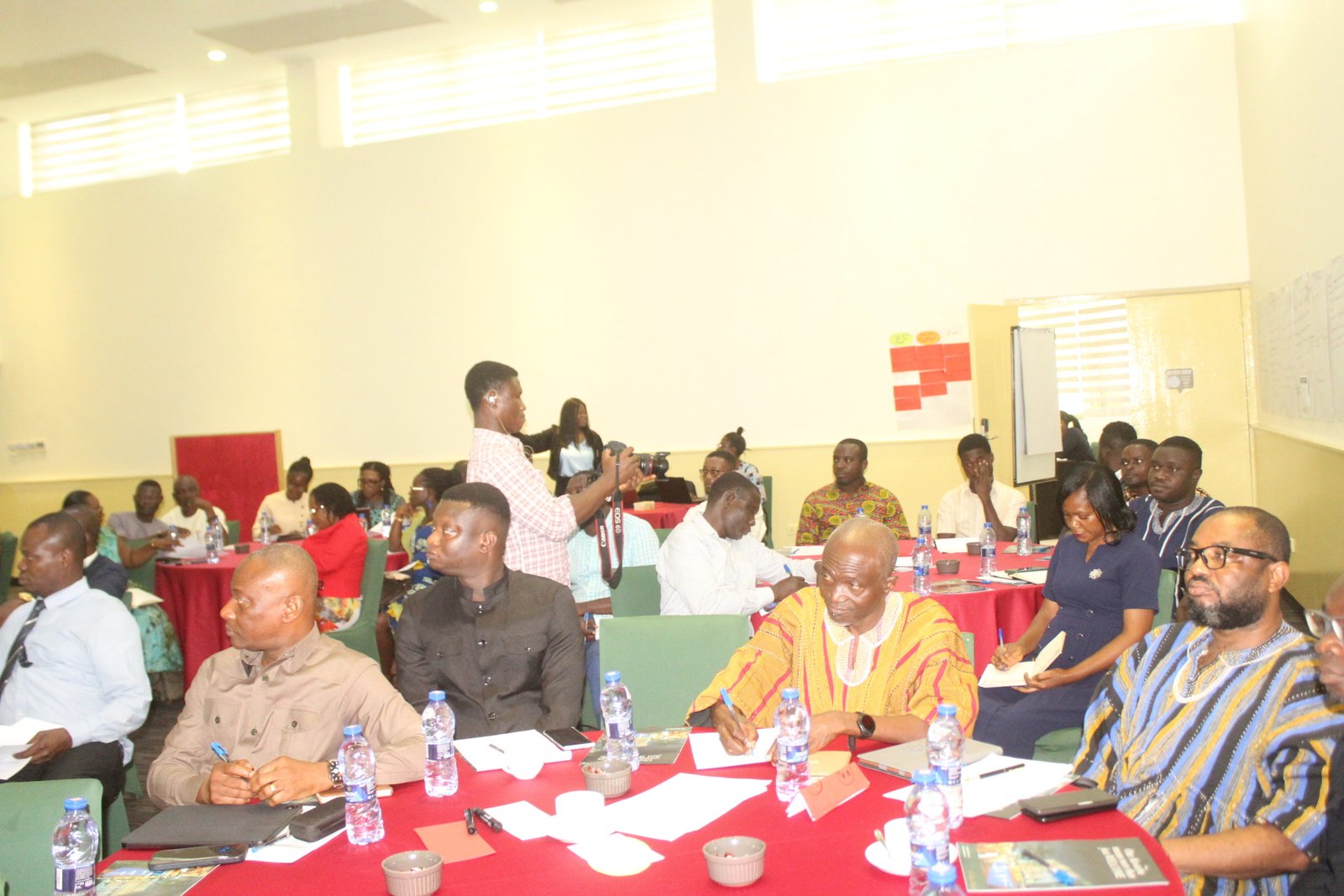
A capacity building training on the new Security and Intelligence Agencies Act, (Act 2026) has been organised for all 16 Regional Ministers in the Country.
The workshop organised under the auspices of the National Security Secretariat
is aimed at deepening the understanding of the ministers of the new legal framework and their responsibilities as chairpersons of the Regional Security Councils (REGSECs).
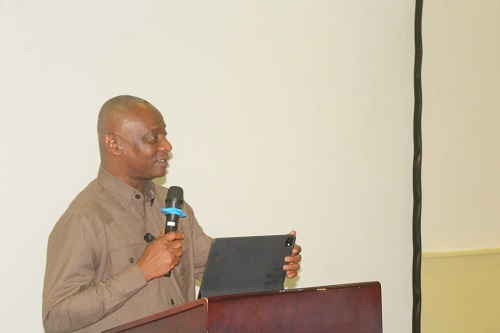
Opening the training, the Minister of The Interior, Mohammed Muntaka Mubarak, said the changing nature of security threats required a departure from outdated approaches and called for stronger coordination among security institutions.

He said Act 1168 provided clear responsibilities, accountability mechanisms and coordination structures for managing security challenges at both national and regional levels.
The Minister reminded regional ministers that as chairpersons of REGSECs, they had the authority to convene meetings, demand intelligence briefings and coordinate responses to emerging threats within the framework of national policy.
“For far too long, our nation has suffered from fragmented coordination, blurred command structures and weak accountability. This law seeks to address these challenges and create a unified security architecture,” he stated.
Mr Mubarak further urged the ministers to exercise their authority lawfully and avoid the partisan use of security institutions.
He emphasised the need for security agencies, including the police, immigration, fire service, customs and intelligence agencies, to work together effectively despite institutional differences.
On his part, the National Security Coordinator, Commissioner of Police (COP) Rtd Abdul-Osman Razak urged the regional ministers to take a leading role in the implementation of the Security and Intelligence Agencies Act, 2026 (Act 1168), to strengthen national security coordination and governance across the country.
He said the training formed part of a broader National Security Reforms Programme designed to modernise Ghana’s security governance architecture and align it with constitutional provisions and international standards.
Mr Razak said the reform programme was anchored on five key objectives, namely modernising the national security governance framework, strengthening institutional coordination, enhancing oversight and accountability, building capacity at national and sub-national levels, and developing regulations to operationalise the Act.
The Coordinator noted that the effectiveness of Act 1168 would depend largely on the commitment of regional ministers to understand and apply its provisions consistently.
The Volta Regional Minister, James Gunu, speaking on behalf of his colleague regional ministers, expressed appreciation to the organisers for the training and pledged their commitment to supporting the implementation of the Act.
He said the ministers recognised the importance of the new security architecture in promoting peace and stability, which were essential for national development.
Mr Gunu assured participants that lessons from the workshop would be shared with colleagues who were unable to attend, adding that regional ministers remained committed to ensuring peaceful and secure regions across the country.
BY CLIFF EKUFUL
Follow our WhatsApp Channel now! https://whatsapp.com/channel/0029VbAjG7g3gvWajUAEX12Q