THE Deputy Minister of Local Government, Chieftaincy and Religious Affairs, Ms Rita Odoley Sowah, has called for a shift in Ghana’s approach to sanitation management, urging the country to turn human waste into economic resources for generating electricity, producing fertiliser and creating jobs.
She said human waste should no longer be treated merely as rubbish but processed into useful products to support agriculture, reduce environmental pollution, generate income and create employment opportunities.
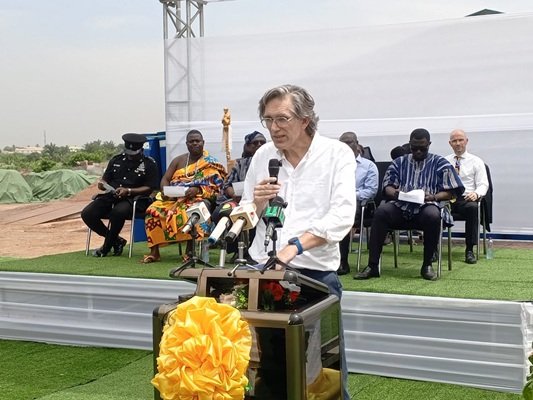
Speaking on her behalf at a pre-World Toilet Day 2026 event at the Safisana Waste Treatment Plant in Ashaiman yesterday, the Technical Advisor at the Ministry, Mr Michael Forson, said the facility demonstrated the economic potential of effective waste management.
The event was held on the theme: “From Open Defecation to Open Opportunity Through the Gender Lens.”


He said the plant treated more than 16,000 tonnes of faecal waste last year, producing about 12,000 tonnes of compost and generating 685 megawatts of renewable energy.
Mr Forson expressed concern that only 20 per cent of Ghanaian households had access to basic sanitation, while about 5.4 million people still practised open defecation. Additionally, approximately 8,500 basic schools lacked toilet facilities, while poor sanitation cost the country an estimated $290 million annually. Read More.
FROM IAN MORTEY AND KEN AFEDZI, ASHAIMAN
SKIP THE QUEUE, TAP THE NEWS

Read the Ghanaian Times and The Spectator newspapers from the comfort of your device via TimesNewsPlus.
Follow our WhatsApp Channel now! https://whatsapp.com/channel/0029VbAjG7g3gvWajUAEX12Q