The Ministry of Health, in partnership with the World Bank Group, has launched a Regional Health, Nutrition and Population Strategy to drive a new era of stronger, more resilient healthcare systems across West and Central Africa.
Unveiled under the theme “Fit to Prosper,” the initiative targets critical challenges including infectious diseases, malnutrition, and the rising burden of non-communicable diseases, while positioning health as a key engine of economic growth.
At the launch, Minister for Health Kwabena Mintah Akandoh called for urgent and coordinated action across the region, stressing that health challenges are interconnected and demand collective solutions.
He noted that no country can achieve meaningful development without a strong and reliable health system.

Mr.Akandoh highlighted Ghana’s ongoing efforts to expand primary healthcare, reduce financial barriers, and strengthen infrastructure, workforce capacity, and disease prevention systems, measures aimed at improving access and building resilience against future shocks.
The President of the Republic of Ghana, John Dramani Mahama, noted that health remains central to Ghana’s economic transformation agenda, stressing that investments in healthcare are not merely social spending but a critical foundation for productivity, innovation, and national prosperity.
Addressing participants on behalf of the President, the Chief of Staff, Julius Debrah, highlighted key reforms including the Free Primary Health Care Initiative and ongoing efforts to strengthen the National Health Insurance Scheme.
He noted that these measures are aimed at expanding access, improving the quality of care, and ensuring the long-term sustainability of healthcare financing.
World Bank Division Director Robert R Taliercio commended Ghana’s leadership and longstanding partnership with the Bank, noting that the country’s progress in improving health outcomes demonstrates what sustained investment and strong policy direction can achieve.
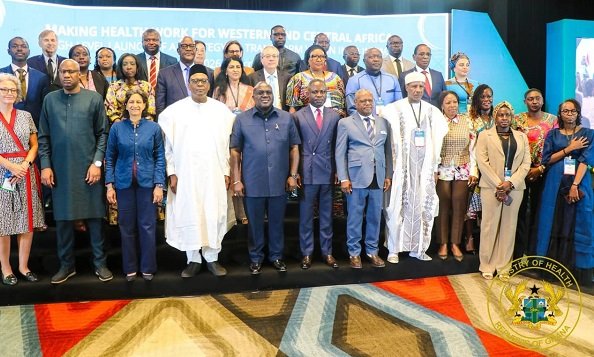
The one-day event brought together Ministers of Health from across West and Central Africa, senior government officials, representatives of the World Bank Group, development partners, health experts, academics, civil society organisations, and stakeholders from the private health sector to deliberate on strategies for strengthening regional health systems and improving population wellbeing.