Harakati delegates discuss African integration in Accra
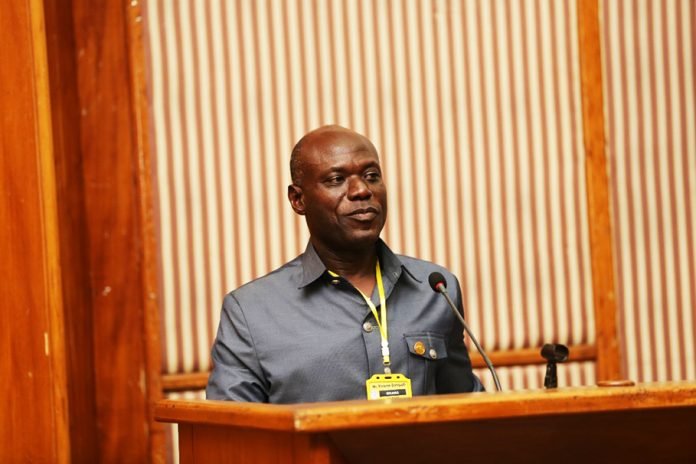
DELEGATES from across universities in 17 African countries have converged in Accra for the fourth International Annual Conference of the Harakati Za Muungano Union for development and freedom.
The participating countries included Benin, Burkina Faso, Cameroon, Central Africa Republic, Congo, Cote d’Ivoire, Democratic Republic of Congo, Gabon, Ghana, Guinea, Liberia, Mali, Niger, Nigeria, Senegal, Sierra Leone and Togo.
On the theme: ‘Economic Restructuring, Political Reforms and Integration for Sustsinable Development in Africa’, the conference was to prepare young leaders across the unversities to work towards elimination of physical colonial borders and trade barriers.
Opening the conference in Accra on Friday, Kwame Danquah, President of the International Secretariat of Harakati, said the need for Africa’s borders to be collapsed has become more pressing in the changing world of trade and commerce.


He said Africa with a Gross Domestic Product of US$3 trillion of the world’s US$105 trillion and three per cent share of global trade according to a 2023 World Bank report, the continent must do more to increase its trade capacity, taking advantage of the AfCTA.
This, he said, was underscored by the Africa Union report which puts intra-Afroca trade at 15 per cent compared to the 60 per cent intra-regional trade for Europe and 40 per cent for Asia.
“Due to the fact that Africa does the bulk of its trade with the outside world and the exports are heavily concentrated on primary commodities, the continent continues to be vulnerable to external macro economic shocks and protectionist trade policies.
“Past global economic and financial crisis which were not of Africa’s making, did adversely impact on the continent’s economic performance because of Africa’s fragmentation, weak structures and low levels of industrialization,” Mr Danquah observed.
With Africa’s population projected to hit 2.5 billion in 2050, the continent could slip into a demographic trap with increased macroeconomic pressures on urbanisation, education, housing, health, and jobs amongst others.
In his view, the population boom could also be a blessing in disguise with structural and systematic reforms to correct the problems of instability, poverty, diseases, underdevelopment, and unemployment.
To achieve this, Mr Danquah said the artificial barriers needed to be removed for continent to increase trade volumes, create large pool of trained and skilled in anticipation of the population surge.
He said leaders on their various campuses being prepared for future national leadership, the onus rested on the delegates to bear in mind what is expected of them when the mantle of leadership falls on them.
BY JULIUS YAO PETETSI
Follow our WhatsApp Channel now! https://whatsapp.com/channel/0029VbAjG7g3gvWajUAEX12Q