Interior Ministry pushes full enforcement of drug law
The Minister for the Interior, Mr Mohammed Mubarak Muntaka, has called for the full implementation of the Narcotics Control Commission Act, 2020 (Act 1019).
He stressed the need for Ghana to move beyond legislation to practical action.
He said although the Act had provided a solid legal framework for reforming the country’s drug policy, its objectives could only be achieved through effective implementation, supported by the necessary regulations and coordinated action.
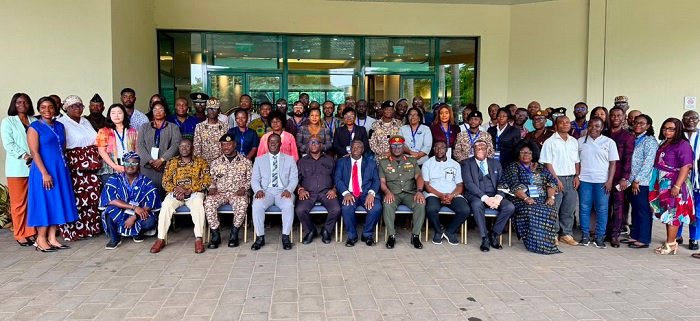
The Minister’s remarks were contained in a speech read on his behalf by the Deputy Minister for the Interior, Mr Ebenezer Okletey Terlabi, at the opening of the Second National Dialogue on Drug Policy, Human Rights and Public Health in Accra on Wednesday.


The two-day dialogue, on the theme: ‘Advancing a People-Centered, Rights-Based Drug Policy in Ghana: Moving from Law to Implementation’, brought together government officials, the judiciary, development partners, civil society organisations, health professionals and researchers.
Mr Muntaka noted that the gap between policy and practice continued to hinder implementation, explaining that fear of arrest and stigma discouraged many people with substance use disorders from seeking healthcare.
He disclosed that the proposed Narcotics Control Commission Regulations, 2026, had been submitted to the Office of the Attorney-General for consideration to support drug demand reduction and harm reduction interventions.
The Director-General of the Narcotics Control Commission (NACOC), Major General Maxwell Obuba Mantey, said Act 1019 had introduced a modern framework that combined law enforcement with prevention, treatment, rehabilitation and social reintegration, while maintaining firm action against trafficking and organised crime.
He said the dialogue would review progress made since the first national engagement, assess emerging drug threats and identify practical steps to advance Ghana’s harm reduction and treatment agenda.
Major General Mantey stressed that achieving meaningful reform required strong collaboration among government, development partners, civil society, health professionals, academia and communities.
He also urged journalists, teachers and the general public to take responsibility for educating people on drug abuse, expressing concern over the rising use of illicit drugs among children and the youth.
A Justice of the Supreme Court of Ghana and the African Court on Human and Peoples’ Rights, Justice Sir Dennis Dominic Adjei, called for greater emphasis on treatment and rehabilitation for persons involved in minor drug-related offences.
He said while those engaged in trafficking and supply must be dealt with according to law, individuals with substance dependence should be given opportunities for rehabilitation rather than custodial sentences.
Justice Adjei urged participants to ensure that the dialogue produced practical outcomes, stressing that discussions must lead to action to address existing gaps in the implementation of Act 1019.
By Stephanie Birikorang
Follow our WhatsApp Channel now! https://whatsapp.com/channel/0029VbAjG7g3gvWajUAEX12Q