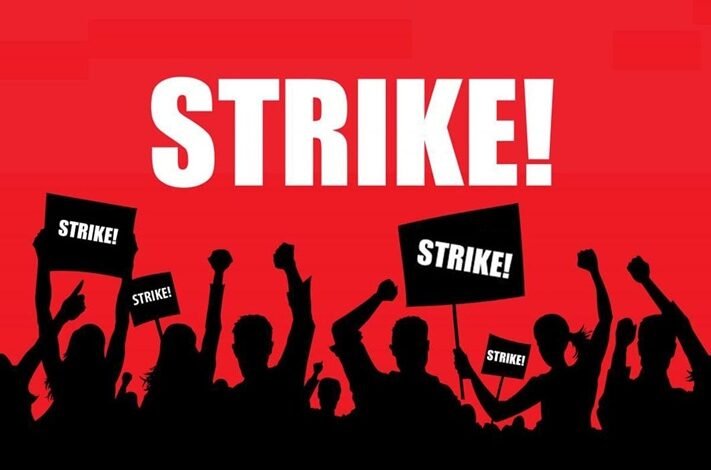
The National Council of Parent-Teacher Associations (NC-PTAS) Ghana has expressed its support for pre-tertiary teacher unions currently on strike, describing their demands as legitimate and justified.
In a statement dated September 30, 2026, the council said no nation could rise above the welfare and quality of its teachers and urged the government to take immediate steps to resolve the issues that led to the strike.
The NC-PTAS said teachers had been frustrated by what it described as years of unfulfilled promises and abandoned memoranda of understanding.
According to the council, the concerns include delayed promotions, unpaid arrears, the implementation of revised collective agreements and a 20 per cent deprived-area allowance.


It said the Ghanaian teacher should be treated as a national asset rather than a cost to the national purse, arguing that investment in teacher welfare was an investment in the country’s future.
The council highlighted the difficulties the strike was causing parents, saying many had made significant sacrifices to prepare their children for the reopening of schools.
It noted that parents had spent money on uniforms, footwear, books, provisions, chop boxes and transportation, while some had also paid for extra classes for their wards preparing for the BECE and WASSCE.
The NC-PTAS said the continued closure of classrooms was therefore affecting not only teachers but also parents and families.
It urged parents to keep their children at home until teachers returned to school, citing safety concerns and the need to avoid unnecessary costs.
The council further appealed to President John Dramani Mahama to personally intervene and direct the Ministers of Finance, Education, Labour, Fair Wages and Salaries, as well as the Controller and Accountant-General’s Department and the Ghana Education Service, to work towards an immediate resolution.
It called on politicians, traditional rulers, religious leaders and other influential personalities to support efforts to resolve the dispute.
The NC-PTAS said Ghana must put aside political differences and focus on improving the welfare of teachers.
It concluded that the future of the country depended heavily on the quality of education and the people responsible for providing it.
By: Jacob Aggrey