Stakeholders push for fair, sustainable public sector pay system
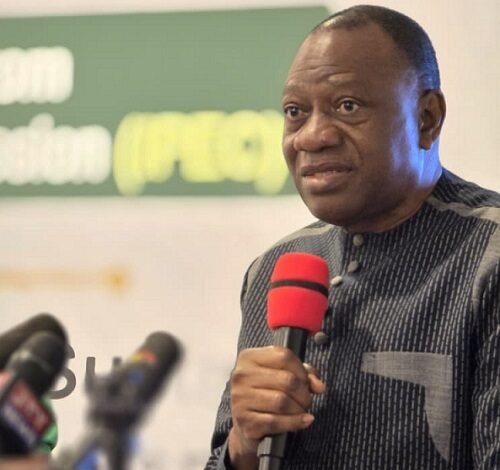
The Minister for Labour, Jobs and Employment, Dr Abdul-Rashid Pelpuo, has called for a fair and sustainable system for determining public sector compensation as the government moves to establish an Independent Public Emoluments Commission (IPEC).
He said the proposed commission must protect the interests of workers while ensuring that the public sector wage bill remained within the financial capacity of the state.
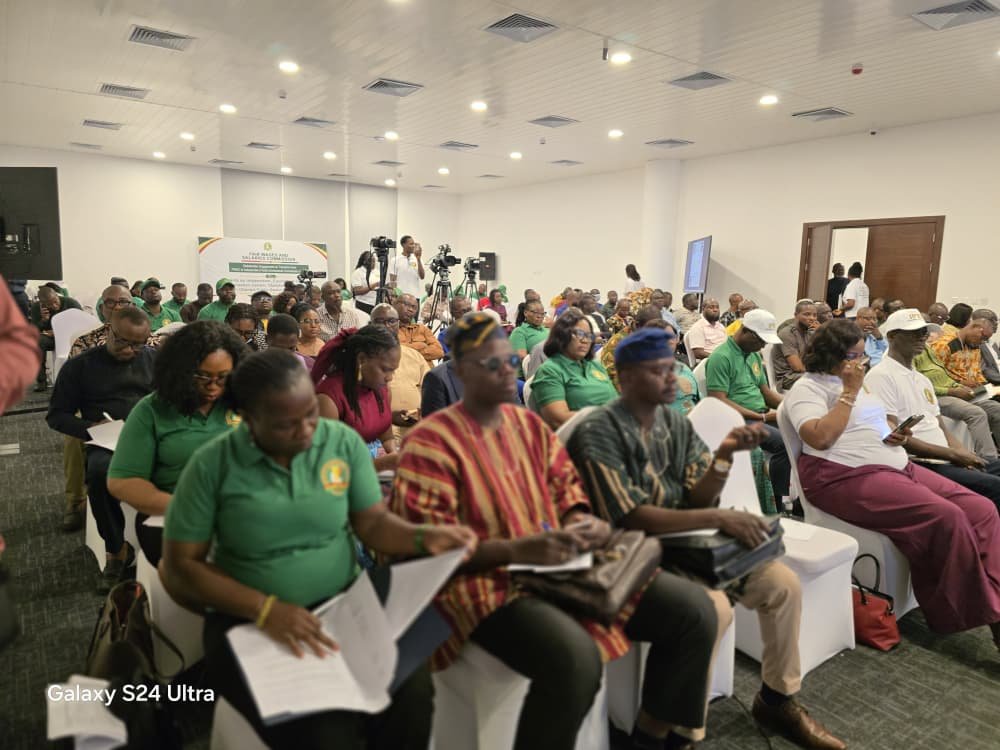
Dr Pelpuo made the call in Accra yesterday at a stakeholder engagement organised by the Fair Wages and Salaries Commission (FWSC) with organised labour and public sector unions on the draft IPEC Bill.
He said public sector compensation was not simply about salaries and allowances but also concerned workers’ livelihoods, fairness at the workplace and productivity.


“For workers, remuneration must be fair, it must be decent, and it must reflect the value of contribution of workers to national development,” he said.
He, however, stressed that the government also had a responsibility to ensure that compensation remained financially responsible and sustainable.
Dr Pelpuo said the country’s economic stability was closely linked to the efforts of workers who reported to work every day and kept public services running.
He said improvements in workers’ remuneration could not be sustained without a strong and productive economy.
The Minister said compensation should, therefore, take into account economic conditions, productivity, public service performance and the ability of the state to meet its financial obligations.
Dr Pelpuo also stressed the need for social dialogue in developing the IPEC framework.
He described organised labour as a critical partner in national development and said its concerns must inform the proposed legislation.
He urged participants to critically examine the proposed commission’s mandate, independence, composition, functions and accountability.
He said the transition must also take into consideration existing institutional arrangements, collective bargaining and ongoing negotiations on public sector compensation.
The Chief Executive Officer of the FWSC, Dr George Smith-Graham, said the stakeholder engagement was not intended to seek approval for a decision that had already been taken.
He said organised labour had been invited because the proposed reform could shape public sector compensation for generations to come.
Dr Smith-Graham said Ghana had made significant progress through the establishment of the FWSC and the introduction of the Single Spine Pay Policy.
He, however, said experience with the system had exposed challenges relating to internal pay differences, allowances, conditions of service, and the attraction and retention of scarce skills.
He said the new system must balance the interests of workers, the state and taxpayers.
According to him, it must provide fair compensation, enable the public service to attract and retain skilled workers, remain affordable to the state and deliver value to citizens.
Dr Smith-Graham also stressed that fairness did not always mean treating every worker in exactly the same way.
He said differences in pay could be justified by differences in skills, responsibilities, working conditions and occupational risks, but such differences must be based on clear and transparent criteria.
He urged organised labour to become “co-architects” of the proposed system by bringing their experience and institutional knowledge to the process.
The Secretary-General of the Trades Union Congress (TUC), Mr Joshua Ansah, welcomed the proposed transition but said organised labour would closely monitor the process.
He said workers had previously supported the Single Spine Pay Policy with the expectation that it would address problems with public sector remuneration.
Mr Ansah said some of those challenges had persisted and called for the new system to provide lasting solutions to pay disparities.
He cautioned against creating a commission that would prescribe solutions without adequate input from workers.
“We want to own this commission. We want to own this process,” he said.
Mr Ansah called for organised labour to be involved at every stage, from the design of the commission to its implementation.
BY AGNES OPOKU SARPONG
Follow our WhatsApp Channel now! https://whatsapp.com/channel/0029VbAjG7g3gvWajUAEX12Q