Ghana can triple per capita income by 2050 -World Bank
Ghana has the potential to triple its per capita income from $2,200 to $6,600 by 2050 if it pursues bold and sustained reforms, the World Bank has projected.
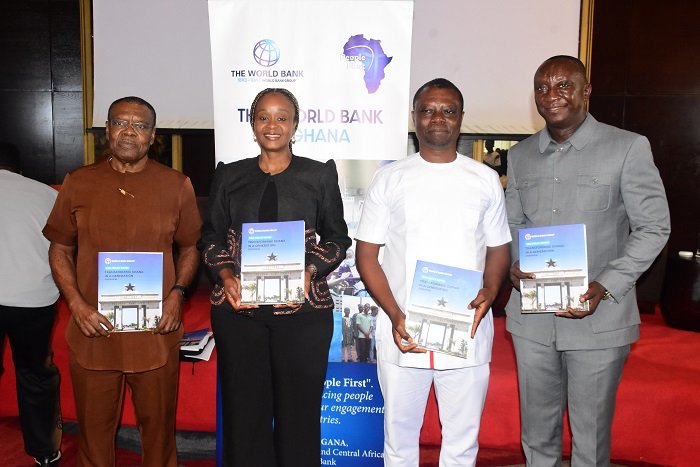
According to the Bank’s latest report, “2025 Policy Notes”, launched in Accra yesterday under the theme: “Transforming Ghana in a Generation”, Ghana’s transformation will depend on a comprehensive mix of policy and institutional reforms to boost productivity, improve infrastructure, and strengthen human capital.
The report pointed to Ghana’s past achievements, including rapid poverty reduction and strong growth in the 2000s, as proof that progress is possible.
However, it cautioned that recurring fiscal stress, inefficiencies in the energy and cocoa sectors, and slow structural transformation continue to limit growth prospects.


It stressed that timely, well-executed reforms, supported by national dialogue platforms, could put the country firmly on the path to shared prosperity.
The Policy Notes outlined four main pillars for Ghana’s accelerated development: restoring macroeconomic stability, raising productivity, sustainably managing natural resources, and strengthening public institutions.
World Bank Country Director for Ghana, Liberia, and Sierra Leone, Mr Robert Taliercio, said Ghana could sustain growth above 6.5 per cent annually if it addressed key weaknesses in its fiscal and governance framework.
“Countries that have successfully avoided the middle-income trap have maintained macroeconomic stability, low inflation, and sustainable public finances—steps Ghana can emulate,” he stated.
He noted that urgent action was needed in the energy sector, where government spent $1.4 billion in 2024 to cover shortfalls.
Without reforms, the cost could rise to $2 billion by 2026. “These are resources that could instead go into health, education or road infrastructure,” he cautioned.
Mr Taliercio also advised government to prioritise affordable external financing such as International Development Association (IDA) loans, which cost less than domestic borrowing.
Delivering remarks on behalf of the Minister for Finance, Dr Cassiel Ato Forson, the Director of the Real Sector Division at the Ministry of Finance, Mr Samuel Arkhurst, said the government welcomed the report’s diagnosis and recommendations.
He assured that government was committed to reforms that would bring real, measurable improvements in the lives of citizens.
“We shall measure progress by the number of children in school, the quality of their education, access to clean water, and the happiness of citizens in managing their own affairs,” he said.
The Bank’s Lead Economist for Ghana, Liberia, and Sierra Leone and principal author of the report, Mr Stefano Curto, underscored the urgency of bold choices.
“The decisions Ghana makes now will determine the economic future of the next generation,” he said.
Ambitious, well-sequenced reforms, he added, could more than triple per capita income by 2050 and place Ghana firmly on the path to inclusive and resilient development
BY KINGSLEY ASARE & ELIZABETH NUKUNU KPORSU
🔗 Follow Ghanaian Times WhatsApp Channel today. https://whatsapp.com/channel/0029VbAjG7g3gvWajUAEX12Q
🌍 Trusted News. Real Stories. Anytime, Anywhere.
✅ Join our WhatsApp Channel now! https://whatsapp.com/channel/0029VbAjG7g3gvWajUAEX12Q