Health sector, media collaboration key to closing public health gaps – Dr Amesiya
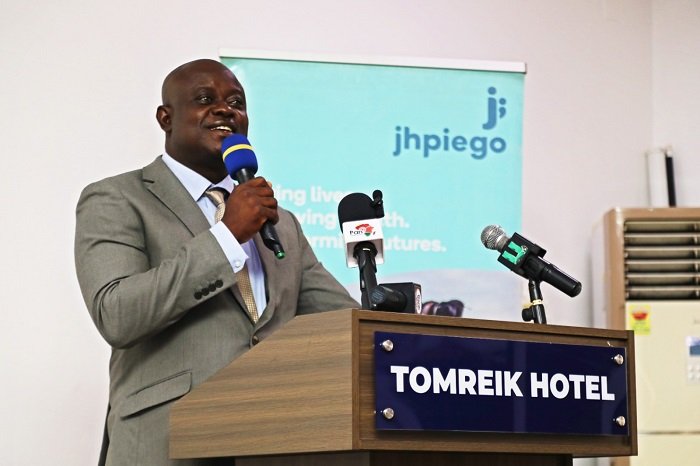
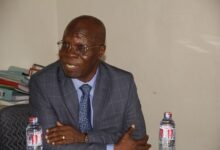
The Greater Accra Regional Health Director, Dr Robert Amesiya, has underscored the need for stronger collaboration between the health sector and the media to bridge public health knowledge gaps and reduce the country’s disease burden.
According to him, although significant investments had been made in health infrastructure, human resource development and community health systems, many people were still unable to fully benefit from available services due to inadequate access to accurate health information.
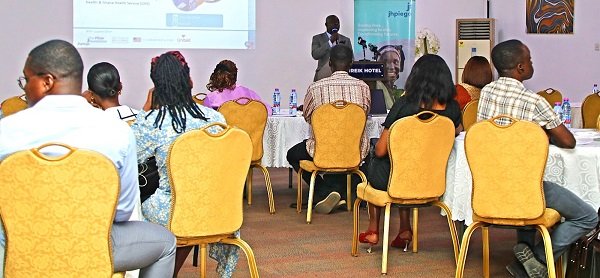
He made the call at a media training organised by the Greater Accra Regional Health Directorate in collaboration with Jhpiego, a non-governmental organisation, in Accra yesterday aimed at strengthening public health reporting and communication.
Dr Amesiya said many Ghanaians remained unaware of where to seek care, the services available to them and the actions needed to stay healthy, a situation he described as a major setback in disease prevention, management and treatment.

“A lot of investment has gone into infrastructure, human resource development and community health systems, but it does not appear we are fully meeting the needs of our communities.
There is a gap, and that gap has to do with knowledge. Sometimes knowledge can be the biggest barrier between you and healthcare,” he stressed.
The Regional Health Director also noted that Greater Accra remained one of the most urbanised and complex regions in the country, with more than 1,900 communities comprising urban, peri-urban and coastal settlements with varying health needs.
He said this diversity required targeted communication strategies rather than a one-size-fits-all approach, adding that the media had a critical role to play in promoting accurate reportage and driving positive behavioural change.
“When communication is right, the results are certainly going to be right,” he mentioned.
Dr Amesiya, however, urged journalists to verify health information from official sources instead of relying on unconfirmed reports on social media to curb the growing spread of misinformation and disinformation that often put the public at risk.
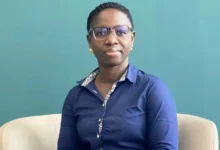
The Country Director of Jhpiego, Dr Pearl Nanka-Bruce, in her remarks, stressed that accurate and timely health information was critical to saving lives, adding that the media remained a key link between health professionals and the public.
She noted that many deaths could be prevented if communities received the right messages early enough to make informed health decisions.
Dr Nanka-Bruce reaffirmed Jhpiego’s commitment to supporting Ghana’s health system by strengthening efforts, including the promotion of quality and credible health information.
BY ABIGAIL ANNOH
Follow our WhatsApp Channel now! https://whatsapp.com/channel/0029VbAjG7g3gvWajUAEX12Q