Priortise women, marginalised in oil, gas revenues disbursement …ISODEC urges govt
A study on the utilisation of the Annual Budget Funding Amount (ABFA) by the Integrated Social Development Centre (ISODEC) has called for the prioritisation of women and the marginalised in the utilisation of oil and gas revenues.
The report, dubbed Gender Equality and Social Inclusion (GESI) in the Allocation of the ABFA, said the disbursement of oil and gas revenues did not adequately address the concerns of women and marginalised groups.
The report said equity and social inclusion are essential to addressing persistent inequalities in the management of natural resource revenues.
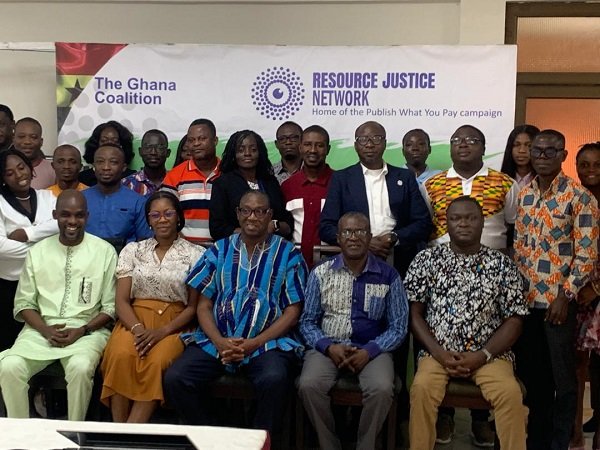
The findings were validated at a national annual workshop convened by the Resource Justice Network–Ghana (RJN–Ghana) in Accra to prioritise the network’s 2026 advocacy programmes in natural resource governance and enhance the share of marginalised groups in Ghana’s oil revenues.


The meeting brought together members of RJN–Ghana to deliberate on the network’s campaign focus and review policy gaps in resource exploitation and the equitable distribution of benefits. Participants also discussed governance of extractive resources, gender equity and social inclusion in the utilisation of oil revenues, and the need for stronger community participation and accountability mechanisms.
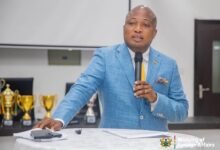
In his welcome address, the Executive Director of ISODEC, Mr Sam Danse, said the research examined gaps in policy and practice relating to GESI in the allocation and disbursement of the ABFA.
He stressed that GESI principles should serve as benchmarks for tracking allocations and disbursements to ensure that oil revenues translated into meaningful development outcomes for vulnerable groups.
“GESI principles are central and should be used to benchmark and track disbursement allocations,” he stated, adding that the report provided a platform for RJN–Ghana members to amplify their voices and demand accountability from Metropolitan, Municipal and District Assemblies (MMDAs), particularly in the use of the District Assemblies Common Fund (DACF) to implement gender-responsive and socially inclusive initiatives.
Mr Danse urged members to study the findings closely and integrate the six policy recommendations into their 2026 advocacy strategies.
The Coordinator of RJN–Ghana, Mr Benard Anaba, observed that despite Ghana’s natural resource wealth, poverty and inequality remained high.
He attributed the situation to weak governance systems and limited attention to gender equality and social inclusion, which, he said, reduced the development impact of resource revenues.
Mr Anaba also expressed concern about the environmental degradation caused by extractive activities, noting that affected communities often bore the brunt of the negative impacts while receiving limited benefits from oil and mineral revenues.
He said the workshop sought to strengthen collaboration among network members to advance advocacy efforts for resource justice and promote enhanced community participation and accountability in the management of Ghana’s natural resources.
Contributing to discussions, Dr Eben Anuwa-Amarh, Technical Advisor at the District Assemblies Common Fund (DACF), said President John Dramani Mahama had issued directives aimed at strengthening the management, allocation and timely release of the DACF.
According to him, the directives were intended to improve transparency, efficiency and accountability in the disbursement process to ensure that funds reached the various assemblies without undue delay.
He explained that the President’s instructions sought to streamline administrative procedures and ensure that allocations were distributed fairly in accordance with established guidelines, thereby enhancing local development and service delivery.
BY KINGSLEY ASAREA
Join our WhatsApp Channel now! GHANAIANTIMES OFFICIAL WHATSAPP CHANNEL

GHANAIANTIMES OFFICIAL WHATSAPP CHANNEL