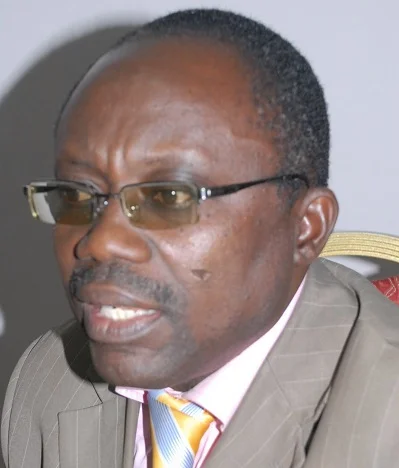
A population expert from the University of Ghana (UG), Professor Stephen Owusu Kwankye, has called for urgent policy measures to safeguard the health and financial security of Ghana’s ageing population as life expectancy continues to rise.
According to him, the notable increase in life expectancy, although a good indicator of improved health, economic and nutritional development, also had the potential to put a strain on the country’s social security systems.
In an exclusive interview with The Ghanaian Times in Accra on Tuesday, the Associate Professor at the Regional Institute for Population Studies (RIPS), UG warned that the country was “gradually transitioning to an ageing society,” with many citizens now expected to live well beyond retirement age.
“Life expectancy at birth has increased notably. Children born today, if conditions remain constant, are more likely to outlive their parents,” he said. “This demographic shift carries opportunities but also serious challenges for pensions, healthcare and social welfare.”


Prof. Kwankye explained that while older adults contributed valuable experience and insight, their vulnerability to degenerative and non-communicable diseases placed heavy demands on medical services.
Rising treatment costs, he noted, could strain households and public health budgets if the country does not expand geriatric care and preventive services.
On pensions, Prof. Kwankye warned that “If this trend continues and pension fund managers, such as those overseeing the Social Security and National Insurance Trust (SSNIT), are not strategic enough, the system could eventually collapse.”
“People may not be contributing enough to sustain benefits for retirees who may live 30 years beyond retirement,” he added.
He said SSNIT and other schemes must be repositioned through higher contributions, prudent investment strategies and policy reforms to guarantee future pay outs, stressing that: “Longer retirement spans mean more money going out. Without commensurate inflows, the funds will face serious liquidity challenges.”
Prof. Kwankye called for a comprehensive national response that combined improved healthcare, social support and sustainable financing.
“Older people must not be left to struggle in their twilight years. A proactive approach is essential for national development,” he stressed.
According to him, strategic investments in early screening, community-based health programmes, and the training of geriatric specialists would reduce long-term costs and keep seniors healthier for longer.
He also encouraged individuals to take personal responsibility by saving towards retirement, citing the growing importance of voluntary and occupational pensions.
The expert urged government, private sector and civil society to view the shift not as a burden but as an opportunity to harness the skills and wisdom of older citizens.
“With the right systems in place, retirees can continue contributing to society while enjoying dignity and security,” he said.
Ghana’s official life expectancy has risen steadily over the past three decades, driven by improved healthcare and declining infant mortality.
Life expectancy in Ghana as of 2023 according to World Bank data was estimated at 63.13 years for males and 66.13 years for females. However, more recent estimates for 2025 from other sources suggest a slight increase to around 65.41 years for the general population.
Experts say that unless deliberate reforms are enacted, the trend could overwhelm pension funds and widen inequalities among the elderly.
BY CYNTHIA ASAMPANA
🔗 Follow Ghanaian Times WhatsApp Channel today. https://whatsapp.com/channel/0029VbAjG7g3gvWajUAEX12Q
🌍 Trusted News. Real Stories. Anytime, Anywhere.
✅ Join our WhatsApp Channel now! https://whatsapp.com/channel/0029VbAjG7g3gvWajUAEX12Q