Protect children from hazardous work in cocoa farms – SEND Ghana
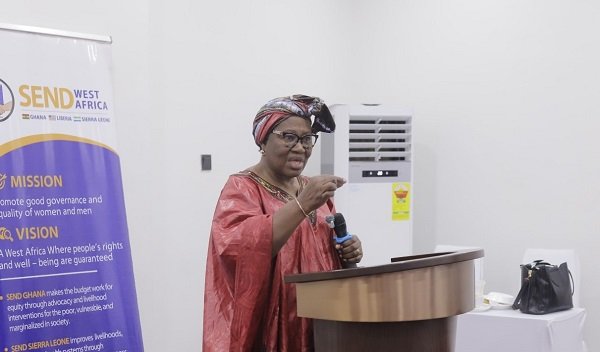
SEND Ghana has called on stakeholders in the cocoa sector to identify gaps in policies and enforcement and take practical steps to protect children from hazardous work on farms.
The organisation said such measures were essential to safeguarding children’s rights to education, play and healthy development.
Although Ghana had enacted laws and adopted international standards to protect children, gaps in implementation continued to expose children in cocoa-growing communities to hazardous work, SEND Ghana disclosed.
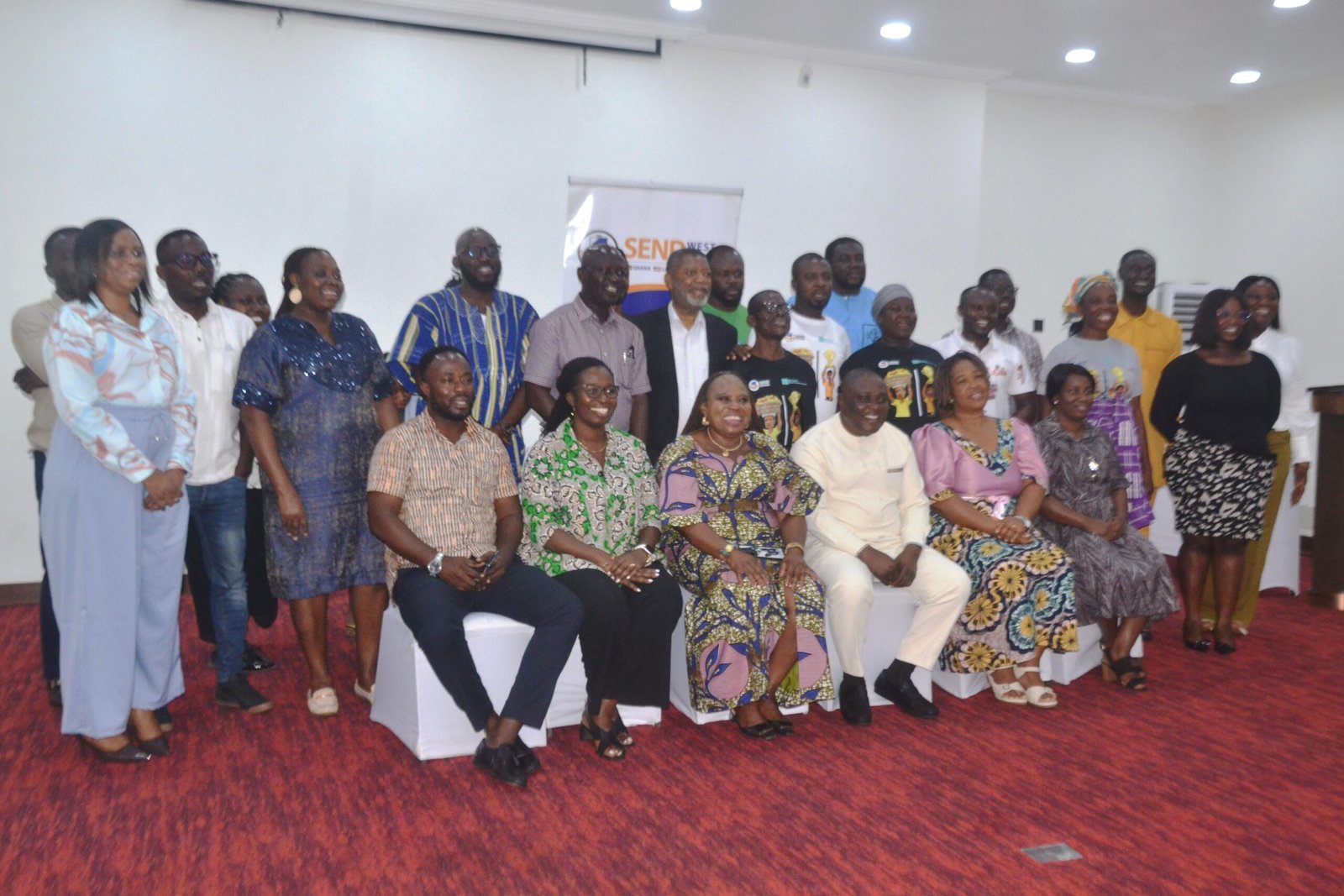
The Board Chair and Acting Chief Executive Officer (CEO) of SEND Ghana, Mrs Janet Adama Mohammed, made the call at a national stakeholder dialogue on child protection in Ghana’s cocoa sector in Accra yesterday.

The dialogue brought together legislators, government officials from ministries and agencies, as well as institutional stakeholders in the cocoa sector to develop practical measures to translate existing laws and policies into meaningful protection for children.
Mrs Mohammed said children in cocoa-growing communities continued to lose opportunities for normal childhood development, underscoring the need to ensure that policies produced tangible improvements in their lives.
“We need to look at these policies and laws to see whether there are gaps. And if there are gaps, what can we do to bridge these gaps?” she asked.
She expressed concern about children who attended school for only part of the day and later returned to farms to perform demanding tasks, including handling agrochemicals and assisting with cocoa spraying.
She noted that such activities could expose children to serious health and safety risks while undermining their education and development.
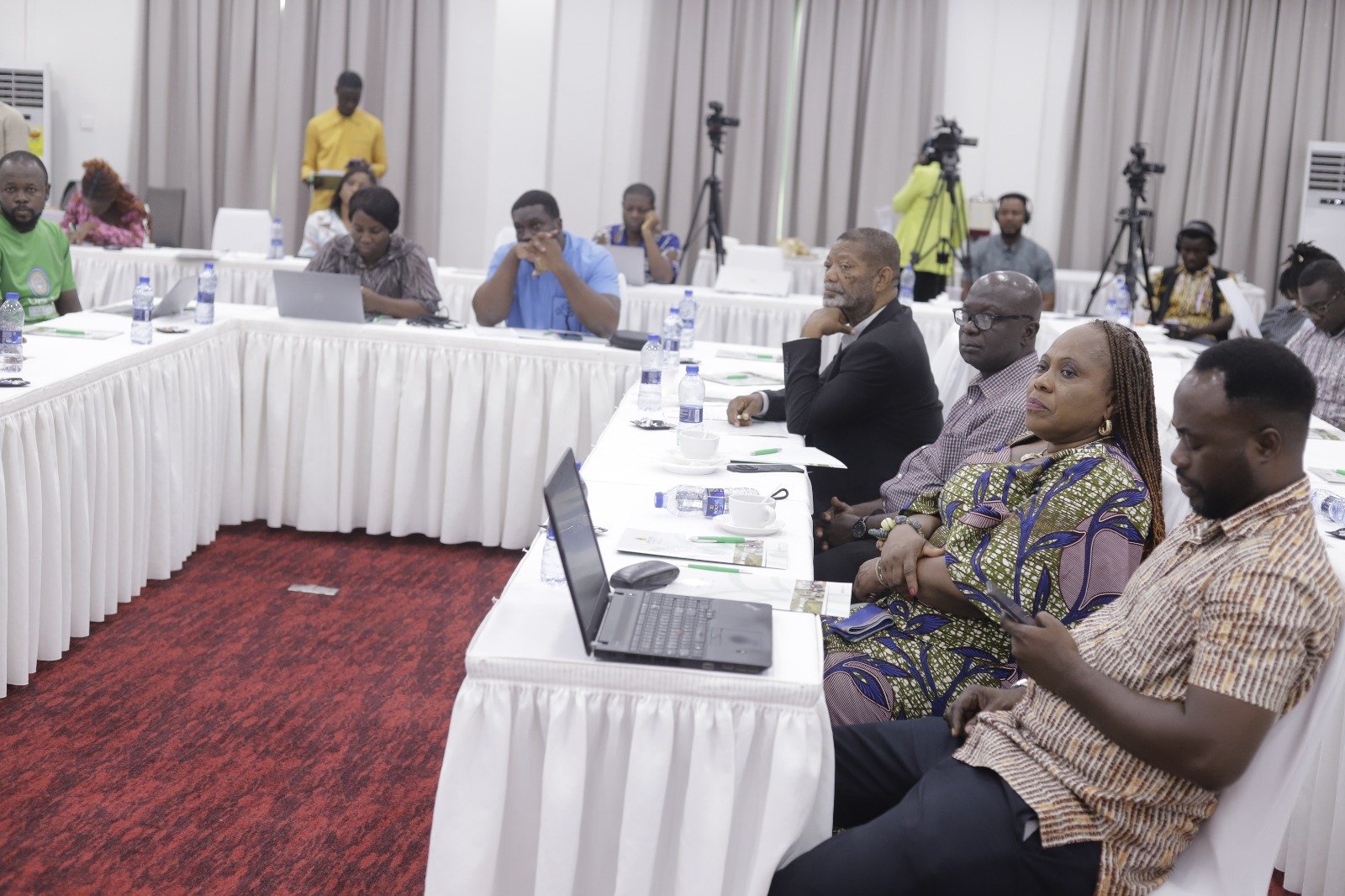
Mrs Mohammed explained that the stakeholder dialogue should result in concrete commitments to identify policy gaps, strengthen legislation, improve enforcement and clearly define the responsibilities of ministries, agencies, farmers and communities.
She stressed that the challenge was not simply about having policies in place but ensuring that they were effectively implemented to protect children.
The Member of Parliament (MP) for Keta and Vice-Chairperson of Parliament’s Select Committee on Food, Agriculture and Cocoa Affairs, Mr Kwame Dzudzorli Gakpey, called for stronger government support and legislative action to address child labour.
He said parliament had an important role to play in advocating resources for institutions responsible for tackling child labour, particularly as many of the agencies faced resource constraints.
Mr Gakpey stated that lawmakers would also review existing legislation, including the Children’s Act and laws relating to child labour, to determine whether amendments or new legislation were needed to strengthen child protection.
He said parliament’s responsibilities also included approving budgets and advocating increased resources for child protection interventions.
The MP, however, raised concerns about excessive academic activities that placed pressure on children, including extra classes during school hours, recess periods and holidays.
He said children needed adequate time to rest, play and explore their talents outside formal classroom education.
According to him, activities such as football, table tennis, handicrafts, art and other creative pursuits could contribute to children’s development and help them discover their interests and abilities.
“Rest is necessary,” he underlined, stressing that education should go beyond formal classroom instruction and allow children to develop their talents and explore their potential.
BY HILDA NSAMI & JESSIE PRINCESS DUAH
You can now read the *Ghanaian Times* and *The Spectator* newspapers digitally on [TimesNewsPlus](https://timesnewsplus.com/newspapers).
Follow our WhatsApp Channel now! https://whatsapp.com/channel/0029VbAjG7g3gvWajUAEX12Q