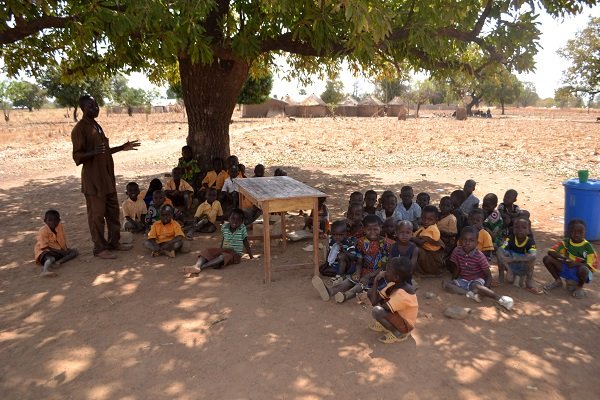
The Minister of Education, Mr Haruna Iddrisu, has revealed that about 5,000 schools across the country were still operating under trees, describing the situation as evidence of the widening gap in education delivery between the northern and southern parts of Ghana.
He said the persistent inequality in access to quality education remained a major national concern but assured that the government was implementing targeted reforms to address the challenge, with a strong focus on foundational learning.
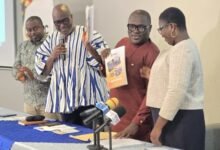
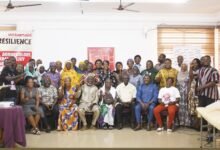
Mr Iddrisu made the disclosure at the 2nd National Social Inclusion in Basic Education and Public Basic Education Convening held in Tamale, where education stakeholders met to deliberate on strategies to improve access to quality education, particularly in underserved and rural communities.
According to the Minister, strengthening literacy and numeracy at the basic level remained central to the government’s education agenda, stressing that early mastery of fundamental skills significantly improves long-term educational outcomes.

“If we get it right from the beginning, our children will succeed in the future,” he said.
He noted that the education sector was also prioritising the acquisition of critical 21st-century skills, including digital literacy, financial literacy, ethical values, and emerging competencies such as electronics, artificial intelligence, coding, and robotics, to prepare pupils for a competitive global economy.
Touching on public perceptions of educational outcomes, Mr Iddrisu observed that while parents readily celebrate academic success, failures were often attributed to political leadership.
He, however, stressed that parents ultimately desired adequate infrastructure and learning environments to enable their children to succeed.
Meanwhile, the Director-General of the Ghana Broadcasting Corporation (GBC), Prof. Alhassan Amin, commended the School for Life for its sustained contribution to expanding access to quality basic education in deprived communities.
He stated that the organisation’s work highlights the importance of inclusive and community-driven approaches to education delivery, particularly for marginalised populations.
“Our strategic approach is based on the belief that an educated and empowered citizenry is critical to national development,” Prof. Amin stated.
The Director of School for Life, Hajia Wedad Sayibu, acknowledged challenges facing the education sector, including inadequate infrastructure, underinvestment, and shortages of trained teachers, which she said disproportionately affect rural and vulnerable communities.
She, however, praised the government for recent interventions, including the uncapping of the Ghana Education Trust Fund (GETFund) and measures aimed at supporting teachers in hard-to-reach areas.
Hajia Sayibu said the convening sought to promote collective action, accountability, and advocacy to bridge the rural-urban education gap and ensure equitable access to quality education for all children.
“Equity in education must be a shared responsibility if we are to leave no child behind,” she stressed.
FROM GEOFFREY BUTA, TAMALE
🔗 Follow Ghanaian Times WhatsApp Channel today. https://whatsapp.com/channel/0029VbAjG7g3gvWajUAEX12Q
🌍 Trusted News. Real Stories. Anytime, Anywhere.
✅ Join our WhatsApp Channel now! https://whatsapp.com/channel/0029VbAjG7g3gvWajUAEX12Q