Businessman launches second bid for NDC Upper West Chairmanship
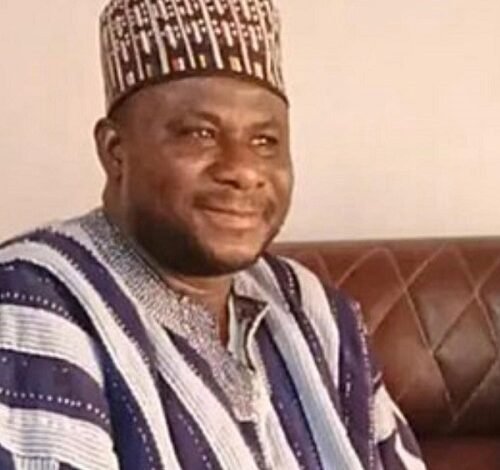
A businessman, Alhaji Alhassan Adams, has launched his second bid for the Upper West Regional Chairmanship of the National Democratic Congress (NDC), promising a decentralised party structure and a clear regional development agenda.
Mr Adams, popularly known as Chairman Randy, made the declaration at Nandom, saying his decision was driven by a renewed interest in providing leadership and building a stronger party structure in the region.
In an interview with The Ghanaian Times at his residence in Wa, he said his long-standing ambition to lead the party was well known among the rank and file, but the upcoming regional reorganisation had renewed his interest in contesting the position.
“My long-standing ambition is known by the rank and file of the party, but announcing the decision today is a renewed interest as NDC party members and stakeholders prepare for the regional reorganisation,” he said.

Mr Adams said he previously contested the regional chairmanship in 2022 against the incumbent, Chairman Bunas, but lost the election.
He said the defeat had not driven him away from the party, explaining that he had remained active in party activities and continued to support members and party initiatives across the region.
Mr Adams said his experience in business and politics, as well as his long association with the NDC, had equipped him with the necessary experience to provide leadership and direction for the party.
He said before declaring his intention, he sought the blessings of key stakeholders and constituency executives in Nandom.
He described the decision to announce his candidature in his hometown as both a homecoming and the beginning of a new political journey.
Mr Adams cited his participation in national and regional campaign activities, including work with a diaspora task force that engaged members of the Upper West community living outside the region ahead of elections.
He also mentioned his involvement in committees focused on business development and entrepreneurship, as well as initiatives involving Zongo communities across the country.
According to him, those experiences had enabled him to maintain contact with party supporters and communities both within and outside the region.
A major component of his campaign, he said, was what he described as an “original agenda” for the Upper West Region.
Mr Adams criticised what he considered the absence of a clearly defined regional political agenda, saying the region should identify its own development and political priorities instead of relying solely on opportunities determined elsewhere.
“For us, the one most important thing is the concept of a regional agenda. As a region, we should have an original agenda. We should be able to decide the path that we want to walk,” he said.
He identified education, access to health professionals and family welfare as some of the areas requiring greater attention.
Mr Adams also proposed welfare systems and practical support mechanisms for grassroots members, including a cooperative financial model through which NDC members could contribute to a revolving fund to support one another.
He said the party should also identify, before elections, key institutions and development opportunities that the region would pursue if the NDC returned to government.
He explained that such priorities should be discussed with the party’s flagbearer ahead of elections to ensure that the interests of the region were incorporated into the party’s broader agenda.
Mr Adams said his campaign would now proceed as the NDC prepared for its regional reorganisation, with his message centred on constituency coordination, grassroots welfare and the development of a clear regional agenda.
NAZIRU ALHASSAN, WA