Dagaaba-Frafra friendly games: Building bridges through sports and culture

In the heart of northern Ghana, where history, kinship, and tradition intertwine, the Dagaaba-Frafra Friendly Games have grown into more than a sporting contest. They are a celebration of unity, a bridge across communities, and a reminder of the enduring bond between two peoples with shared roots.
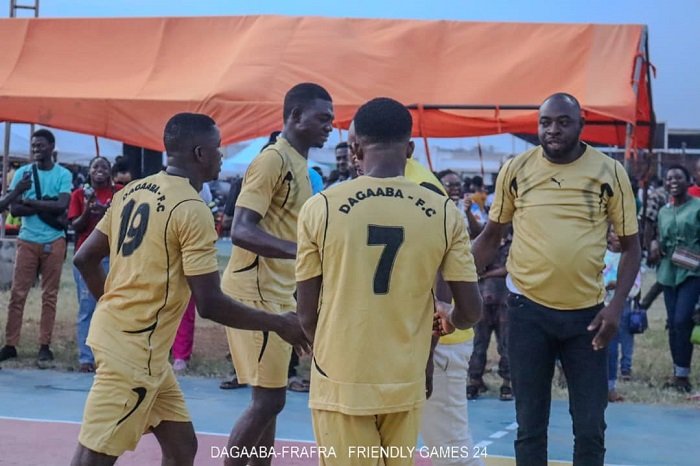
Next Saturday, September 6, 2025, the El-Wak Stadium in Accra will once again become a symbol of togetherness as hundreds gather for this much anticipated event. The highlight, as always, will be football, with young men and women from both sides battling fiercely on the pitch. Yet, even as the competition will heat up, the atmosphere will remain one of camaraderie rather than rivalry, with supporters singing, drumming, and waving banners in unison.
More than a game
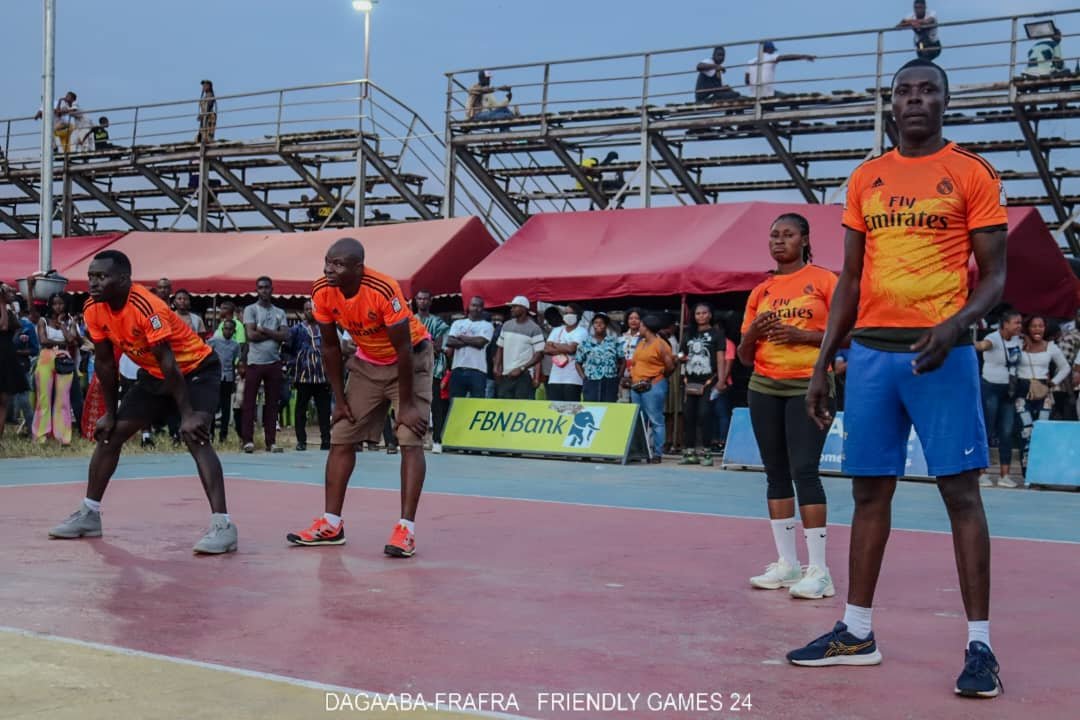
The Games have grown well beyond football. Spectators will enjoy volleyball, sack races, tug-of-peace, egg-and-spoon relays, and other contests that bring out both laughter and friendly rivalry. Traditional delicacies, from pito, TZ, tupaane, and koosie, to dog meat, pork, Guinea fowl, chicken, goat, and beef, will be served alongside the vibrant display of northern fabrics such as the smock and other cultural artefacts.
Just as captivating are the cultural performances. The rhythmic beat of the xylophone and drums, graceful dances, and colourful costumes will showcase the shared heritage of the Dagaaba and Frafra, turning the stadium into a living festival of culture and unity.
Dignitaries, including Ministers of State, Members of Parliament, chiefs, queen mothers, servicemen and women, and well-wishers from across Ghana will be in attendance. What began as an inter-community gathering has now assumed a national character, drawing Ghanaians from all walks of life. It has become a place where business thrives, old friendships are renewed, and bonds are strengthened.
And the ultimate trophy, a puppy. Symbolic of loyalty, companionship, and kinship, it embodies the spirit of the Games.
A shared history
The Dagaaba and the Frafra are not only neighbours in Ghana’s Upper West and Upper East regions but also bound by history and ancestry. Oral tradition traces their roots to present-day Burkina Faso, from where their ancestors migrated centuries ago to settle on adjoining lands. Over time, they have intermarried, traded, and stood together in times of conflict.
Though political boundaries placed them in different administrative regions, their cultural bond has remained strong. Their languages, namely Dagaare and Gurune, share similarities, while their festivals, rituals, and communal practices reflect a kinship that continues to bind them. It is this connection that the Friendly Games seek to renew and celebrate each year.
Why is the puppy used as the Ultimate Trophy? Oral history has it that the Dagao and Frafra were brothers who lived together peacefully until famine struck their community. The two brothers decided to travel long distances to look for food but to no avail. Their companion was the dog. To survive, they took a decision to kill their pet, the dog. But the manner in which the meat should be eaten became a bone of contention. One brother wanted the meat boiled but the other wanted it roasted. To let peace prevail, they decided to divide the meat into two equal parts so that each would take his own and either boil or roast. But something funny happened. By the time they had finished sharing the meat, the dog head went missing. Who stole the head? Was it the Dagao or Frafra? They were the only two. Each brother accused the other of stealing the dog head. This led to a heated argument between the two brothers to the extent that they separated. One went to the West and the other to the East. But over time, the dog head, which separated them, brought them together. The two started teasing each other of having stolen the head whenever they met. Eventually, they became playmates, calling each other Baazu (dog head).
The origin and growth of the games
What began over three decades ago as a friendly football match at the Ghana Prisons Service Training School in Accra has evolved into a multi-faceted festival of sports and culture.
The founding fathers include the late Inspector General of Police (IGP) and Jirapa Naa Peter Nanfuri, Mr Benson Tongo Baba, a former Member of Parliament (MP) for Talensi Constituency in the Upper East Region, and Mr Richard Kuuire, a former Director-General of Ghana Prisons Service and the current MP for Nandom Constituency in the Upper West Region.
Each edition reinforces dialogue, strengthens inter-ethnic ties, and inspires collaboration in areas such as education, trade, and community development.
This year’s theme, “Unity in Diversity: The Dagaaba-Frafra Model for Peaceful Coexistence,” captures the spirit of the event. Elders will take turns to remind the youth of the deep historical ties between the two groups, urging them to uphold peace, tolerance, and cooperation.
Lessons for Ghana
Ghana, a nation of over 100 ethnic groups, has long been celebrated for its cultural diversity. Yet, maintaining harmony in such diversity requires continuous effort. Indeed, the nation continues to be confronted with pockets of ethnic conflicts here and there. The relationship between the Dagaaba and the Frafra offers a model worth emulating nationwide.
Their peaceful coexistence is rooted in intermarriage, trade, collective farming practices, and traditional conflict-resolution mechanisms. Disputes are often settled through dialogue and arbitration by elders, rather than courts or police, reinforcing unity and trust.
From this relationship, Ghana can draw vital lessons:
Promote Interethnic Dialogue: Open communication fosters understanding and dispels mistrust.
Encourage Cultural Exchange: Intermarriage, language learning, and shared festivities build common ground.
Leverage Traditional Arbitration: Elders’ wisdom can help resolve conflicts peacefully.
Highlight Positive Models: Civic education can showcase bonds like that of the Dagaaba– Frafra as examples of tolerance.
Support Joint Development: Collaborative ventures in farming, trade, and infrastructure foster mutual progress.
A message beyond the field
As the sun sets next Saturday at El-Wak, the sound of drums will mix with laughter, and rival players will embrace like brothers and sisters. The message will be clear: the Dagaaba–Frafra Friendly Games are not about winners and losers, but about preserving peace, celebrating culture, and reinforcing bonds that time cannot break.
In a world where ethnic differences too often lead to division, the Dagaaba and Frafra remind us that diversity can be a source of strength. Their example shows that through respect, cooperation, and shared celebration, communities can not only coexist peacefully but also thrive together.
Next weekend, let’s join them, not only to watch football or taste traditional food, but to witness how sports and culture can build bridges strong enough to carry the weight of unity for generations to come.
The writer is a Journalist and a Member of the Joint Planning Committee of the Dagaaba- Frafra Friendly Games
BY GORDON WELLU