A group, Concerned Citizens of Ghana, has called on President John Dramani Mahama to intervene to protect Jonah Capital, a Ghanaian-owned company operating in Nigeria, over what it described as persistent harassment by some Nigerian authorities.
The appeal was made by the convener of the group, Mr Samuel A. Clark, at a press conference in Accra yesterday.
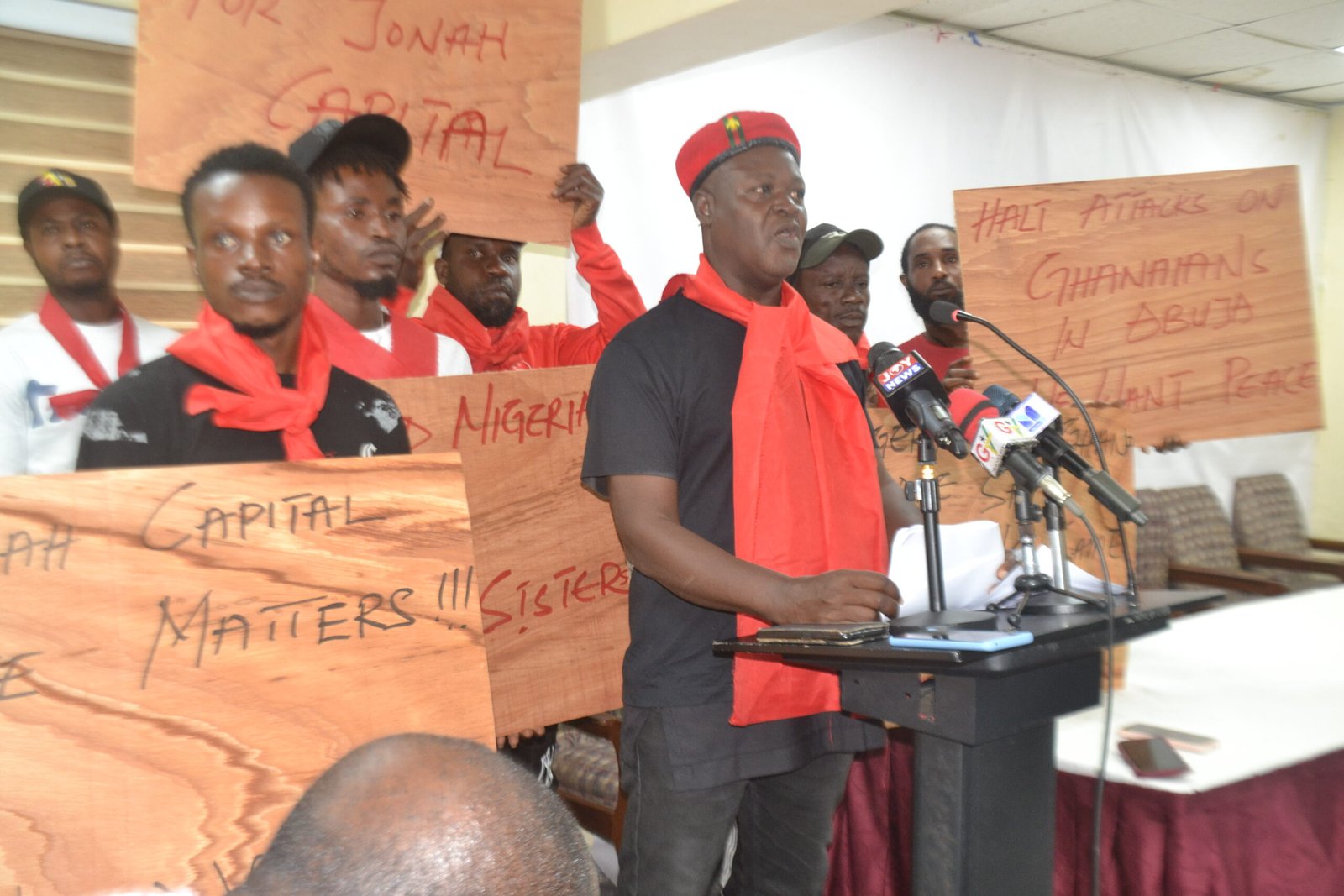
Mr Clark urged the President, the Chief of Staff and the Minister of Foreign Affairs to engage the Nigerian government to safeguard the company’s investments and the welfare of Ghanaians working in Nigeria.
He said Jonah Capital had operated legally in Nigeria for several years and had maintained normal operations until recent developments.


According to him, the company faced challenges in 2025, but intervention by the Nigerian government, including President Bola Ahmed Tinubu and the Inspector-General of Police, helped to restore calm.
Mr Clark stated that operations resumed until fresh challenges emerged about three weeks ago.
He alleged that officials of Nigeria’s Federal Capital Territory Administration, accompanied by armed security personnel, entered the company’s flagship investment, the River Park Estate in Abuja.
He claimed that the action led to the destruction of property and the intimidation of staff, residents and customers.
Mr Clark said the matter was already before an international arbitration panel, and questioned the use of force while the dispute remained under judicial and arbitral consideration.
He further claimed that Nigeria’s Attorney-General had earlier reviewed allegations of forgery against officials of Jonah Capital and found no basis for prosecution.
According to him, the Attorney-General subsequently directed the withdrawal of the criminal case, which was struck out by a High Court in Abuja in January this year.
Mr Clark expressed concern that despite the court’s decision, the company had again come under pressure from another arm of the Nigerian government.
He alleged that armed men had entered sections of River Park Estate, including the Gallery Clubhouse, and damaged company assets.
Mr Clark also claimed that there had been attempts to unlawfully alter the company’s shareholding structure, and that reported cases of assault, intimidation and destruction of property at the estate had not been investigated.
He contrasted the situation with the treatment of Nigerian businesses in Ghana, stating that several Nigerian-owned banks and companies continued to operate freely and repatriate their profits without interference.
Mr Clark cited Ghana’s response to the demolition of a building on the premises of the Nigerian High Commission in Accra in 2020 as an example of the country’s commitment to protecting foreign investments.
BY CLIFF EKUFUL