‘Financial barriers limit women, youth in leadership’
FINANCIAL demands and entrenched political structures continue to limit women and young people seeking leadership positions in Ghana, despite growing calls for inclusive governance.
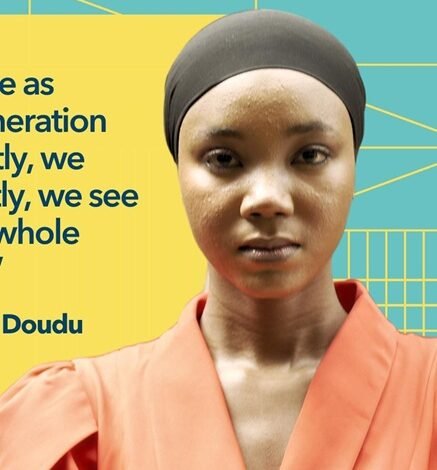
The barriers were highlighted in We Shall Lead: Voices Shaping the Future of Africa, a documentary featuring the experiences of two Ghanaian youth leaders and their struggles with leadership, representation and participation.
One of the participants, Ms Hariratah Ibrahim Duodu, Vice-President of the Student Representative Council (SRC) of the Ghana School of Law, said women continued to face barriers to leadership even in institutions where they outnumbered men.
She said having more women in an institution did not necessarily translate into equal opportunities to lead.


“The system of politics is not really created to accommodate women. It is now, in these days, that the system is trying to accommodate women,” she said.
Ms Duodu said she contested the SRC vice-presidency to challenge the situation and show that women could lead despite the obstacles.
She said she was surprised that no woman had contested the position for more than five years, despite women forming the majority of students at the institution.
Her determination, she said, was shaped by her background. Growing up in a family of 24 children and losing her father after completing senior high school strengthened her resolve to overcome challenges and encourage other women to pursue leadership.
She called for sustained support to ensure women could compete for leadership positions without unnecessary barriers.
The documentary also highlights the financial challenges facing aspiring politicians, who often need money to participate in party activities, mobilise supporters and finance campaigns.
These costs can discourage people without financial backing from seeking political office, regardless of their experience or commitment to public service.
Women remain underrepresented in Parliament, with 40 of the 276 seats won by women in the 2024 parliamentary elections, representing about 14.5 per cent.
Young people also struggle to translate their numbers into meaningful representation in national governance.
The President of the National Union of Ghana Students (NUGS), Mr Rashid Ibrahim, said his interest in leadership was driven by the need to create a platform for young people to express their concerns and contribute to solving problems affecting them.
He said young people had the capacity to contribute to national development but needed opportunities to demonstrate their abilities.
“The youthful leaders are doing well. Why don’t we give them the opportunity?” he asked.
Mr Ibrahim said giving young people opportunities to lead would enable them to contribute meaningfully to national development.
The documentary forms part of the European Union’s Women and Youth Democratic Engagement (WYDE) Political Parties Project, led by the European Network of Political Foundations (ENoP) and implemented in Ghana by the Konrad-Adenauer-Stiftung (KAS) Ghana Office.
Funded by the European Union, We Shall Lead: Voices Shaping the Future of Africa seeks to document and share the experiences of emerging leaders.
BY ABIGAIL ARTHUR
SKIP THE QUEUE, TAP THE NEWS

Read the Ghanaian Times and The Spectator newspapers from the comfort of your device via TimesNewsPlus.
Follow our WhatsApp Channel now! https://whatsapp.com/channel/0029VbAjG7g3gvWajUAEX12Q