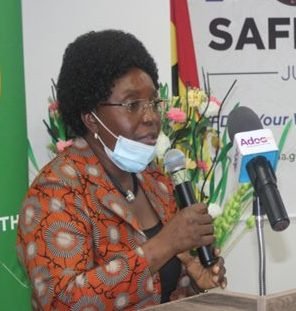
About 65 per cent of Ghanaian adults cannot afford a healthy diet, Professor Anna Lartey, a Nutrition Expert at the University of Ghana, has revealed. She warned that the rising cost of nutritious foods is placing serious risks on public health and national development.
“A healthy diet should include a variety of foods, fruits, vegetables, and balanced portions of carbohydrates. But when you compare the cost to people’s income levels, it is clear that many cannot afford the ingredients needed for a wholesome meal,” Prof. Lartey said.
She made the remarks during a sensitisation workshop in Accra last Thursday on the “Beyond the Dialogues: Tracking Ghana’s Commitment to Transform its Food Systems” project.
The two-year project aims to monitor Ghana’s progress in implementing 17 commitments adopted in 2021 to transform its food systems in line with the United Nations Food Systems Summit (UNFSS) 2030 agenda.

Spearheaded by the University of Ghana’s School of Public Health in collaboration with the National Development Planning Commission, the Ministry of Food and Agriculture, and the Ghana Statistical Service, the initiative will employ science-based approaches to assess progress toward ensuring sustainable and healthier diets for all by 2030.
Furthermore, Prof. Lartey described the reality of most Ghanaians falling below the income threshold required to meet recommended nutritional standards as “worrying,” urging government policies to make healthy food more affordable.
“A shift in eating habits could prevent up to 15 million deaths worldwide, yet our food system, which is supposed to promote health, is instead contributing to illness,” she added.
The co-principal investigator encouraged Ghanaians to take personal responsibility for their diets.
“Individuals have a duty to make the right choices for their health. Limiting unhealthy foods and including more fruits and vegetables in your meals are crucial personal decisions for wellbeing,” she indicated.
Professor Amos Laar, a Public Health Nutritionist at the University of Ghana, emphasised the need to track Ghana’s UNFSS commitments to reduce the burden of non-communicable diseases and promote a healthier population. He noted that the project will produce annual reports assessing progress, challenges, and opportunities, while calling for enhanced nutrition education across the country.
BY ABIGAIL ANNOH
🔗 Follow Ghanaian Times WhatsApp Channel today. https://whatsapp.com/channel/0029VbAjG7g3gvWajUAEX12Q
🌍 Trusted News. Real Stories. Anytime, Anywhere.
✅ Join our WhatsApp Channel now! https://whatsapp.com/channel/0029VbAjG7g3gvWajUAEX12Q