Players Returning from the World Cup in the Best Form
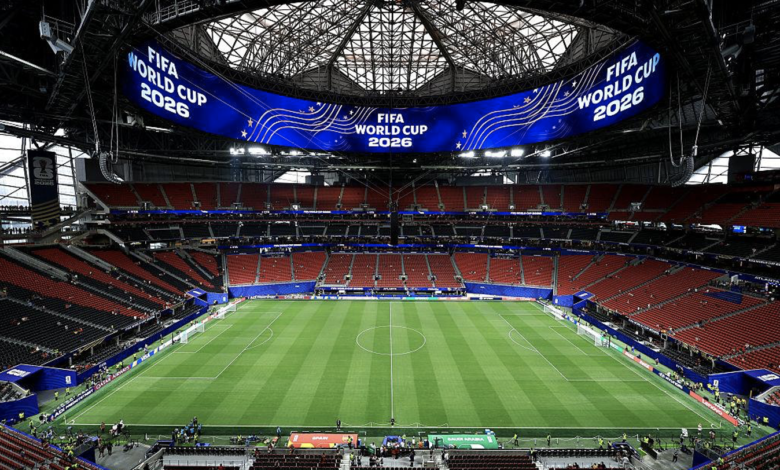
The 2026 World Cup did not leave every player in the same condition. Some returned to Europe needing recovery after a demanding tournament; others came back with confidence, match rhythm and strong individual performances behind them. Kylian Mbappé, Erling Haaland, Harry Kane and Jude Bellingham belong firmly in the second group.
That momentum is already influencing expectations around the new club season. It can even affect football-related activity on platforms that offer slot games alongside sports betting and other online products. For clubs, though, the immediate question is simpler: which World Cup standouts can carry their summer form into competitive football without suffering from the workload that produced it?
Mbappé returns with his attacking rhythm intact
Kylian Mbappé produced decisive moments throughout the World Cup and returns to Real Madrid with little need to rediscover his attacking rhythm.
His tournament was not simply about goals. Mbappé repeatedly created danger under pressure and remained capable of deciding matches when space became limited. That matters for Madrid, where he will again be expected to carry a substantial part of the attacking responsibility.

The difficulty comes with workload. A deep World Cup run means less recovery time before another long club campaign. Madrid therefore have to preserve the sharpness Mbappé showed in North America without asking too much of him immediately.
Haaland and Kane remain reliable reference points
Erling Haaland also returns to Manchester City after a strong tournament with Norway. His physical presence and clinical finishing were visible in important matches, giving City another high-output player arriving with competitive minutes already behind him.
Harry Kane offers Bayern Munich similar reassurance. His performances for England again demonstrated the movement and finishing that have made him such a reliable scorer.
Several factors will determine whether their World Cup momentum survives the transition back to club football:
- minutes played during the tournament and recovery time afterwards;
- goals and chances generated in the opening club fixtures;
- physical condition after a shortened summer break;
- how quickly players readjust to their clubs’ tactical systems;
- whether coaches rotate them during the opening weeks.
For established forwards such as Haaland and Kane, the issue is less about rediscovering confidence than managing the physical cost of maintaining it.
Bellingham comes back after another influential tournament
Jude Bellingham’s World Cup included important goals and the driving midfield performances that have become central to his game. His ability to carry possession forward and arrive in dangerous areas gave England another route through difficult matches.
At Real Madrid, those qualities complement an attack already packed with individual talent. Bellingham does not need to score every week to influence matches: progression through midfield, pressing and late runs into the box can all change Madrid’s attacking structure.
Rodri’s situation is slightly different. His role in Spain’s successful campaign again demonstrated his control of tempo and tactical intelligence. A heavy workload, however, makes careful management of his minutes particularly important.
Ousmane Dembélé also returns from a productive World Cup with France. His pace, ability to stretch defensive lines and notable goal contributions give Paris Saint-Germain an attacking outlet capable of creating problems immediately.
Strong tournament form can also affect football markets
A major international tournament creates an unusual situation for the opening weeks of the club season. Some players arrive with recent competitive evidence behind them, while teammates may have spent much of the summer in training and friendlies.
That difference can influence goalscorer, player-prop and match markets. A strong World Cup may increase expectations around an attacker, but tournament performance should not be treated as a guarantee of identical club output. Opponents change, tactical roles change and fatigue can become more important with every additional match.
The same distinction matters when navigating gambling products online. A sports market based on a player’s expected performance works differently from a game such as https://1xbet.gm/en/slots/game/52358/aviator, where recent football form has no bearing on the outcome. For football analysis, confirmed line-ups, expected minutes and the player’s role at club level remain more useful than reputation alone.
Breakout players return with greater expectations
The World Cup also raised the profiles of several players who entered the tournament with less attention. Those who stood out through work rate, composure or decisive actions now return to clubs where their status may have changed considerably.
A strong international tournament can turn a squad option into a genuine candidate for regular starts. It can also bring additional pressure. Coaches must decide whether to use that momentum immediately or allow more recovery time after an intense summer.
England provide a useful example of the other side of the equation. Some internationals showed signs of physical strain, leaving clubs to balance early-season minutes against the risk of overload. Two players can therefore return from the same tournament with completely different priorities.
The next challenge is making World Cup form last
Mbappé, Haaland, Kane and Bellingham return with strong tournament performances behind them. Rodri and Dembélé also demonstrated qualities their clubs will want to carry directly into the new campaign.
The first competitive fixtures will show how much of that momentum survives. Goals and assists will attract attention, but fitness, minutes and tactical influence may tell the more important story.
The World Cup gave these players an unusually intense preparation for 2026/27. Now their clubs have to turn that advantage into early-season performance without allowing a demanding summer to become a problem later in the year.