Protect intellectual property in creative sector – Minister
The Deputy Minister of Trade, Agribusiness and Industry, Mr Sampson Ahi, has underscored the need to strengthen legal and institutional awareness of intellectual property within Ghana’s creative and manufacturing sectors.
He noted that as Africa’s fashion and textile industry continued to gain global recognition, the protection of originality, innovation and local value creation had become increasingly critical.
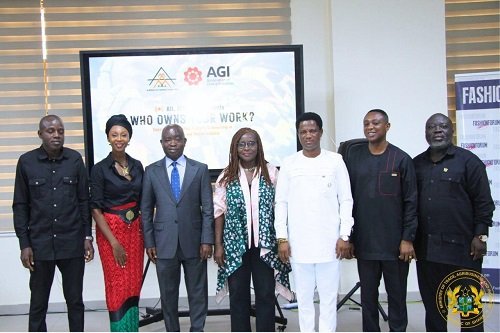
Mr Ahi made the call at a workshop held in Accra on Monday on the theme: ‘Who Owns Your Work?’ organised by Fashion Forum Africa (FFA) as a prelude to the Alternative Fashion Fabric Fair (Alt.FFF) 2026 scheduled for September.
The event brought together government officials, industry players, academia, development institutions and key stakeholders in the garment, textile and leather sectors to discuss issues relating to ownership, intellectual property and value protection in Africa’s growing creative economy.


The workshop featured presentations by an intellectual property consultant, Dr Benjamin Oduro Arhin Jnr, popularly known as BNOSKKA, who highlighted the importance of building stronger systems to protect African creativity, cultural heritage, manufacturing and innovation.
Mr Ahi commended the Alternative Fashion Fabric Fair initiative for providing a platform that linked fashion, manufacturing, trade and policy, describing it as timely in deepening intra-African industry engagement and positioning Ghana as a key player in the continent’s textile and creative economy.
The Founder of Fashion Forum Africa and Lead Curator of Alt.FFF, Ms Makeba Boateng, stressed the need to expand industry discussions beyond fashion aesthetics to include ownership, production systems and value creation.
She noted that Africa’s growing prominence in the global fashion industry must be matched with deliberate efforts to strengthen manufacturing, material sourcing, trade and intellectual property protection across the continent.
The Sector Chair for Garment, Textile and Leather at the Association of Ghana Industries (AGI), Ms Edwina Assan, also highlighted the importance of collaboration and education within the sector.
She explained that there was a growing need to raise awareness of intellectual property rights and promote structured business practices to support the sustainable growth of the garment and textile industry.
The Chair of the occasion, a Professional Officer for the Culture Sector at the UNESCO Ghana Office, Mr Carl Ampah, described intellectual property as a vital tool for preserving cultural expression, creativity and innovation.
He noted that protecting intellectual assets was essential to ensuring that creators and innovators benefited from their work while safeguarding Africa’s cultural heritage.
The workshop was designed to equip stakeholders along the fashion and textile value chain with knowledge and practical tools to compete effectively in an increasingly globalised industry.
The Alternative Fashion Fabric Fair (Alt.FFF), scheduled to take place in Accra from September 17 to 19, is expected to bring together stakeholders across fibre, fabric, manufacturing, materials and trade sectors.
The fair aims to promote collaboration, enhance visibility and expand market access for African-made materials and products, while contributing to the development of a more integrated and competitive fashion and textile industry across the continent.
BY JEMIMA ESINAM KUATSINU
Follow our WhatsApp Channel now! https://whatsapp.com/channel/0029VbAjG7g3gvWajUAEX12Q