Understanding hypertension: Why it matters
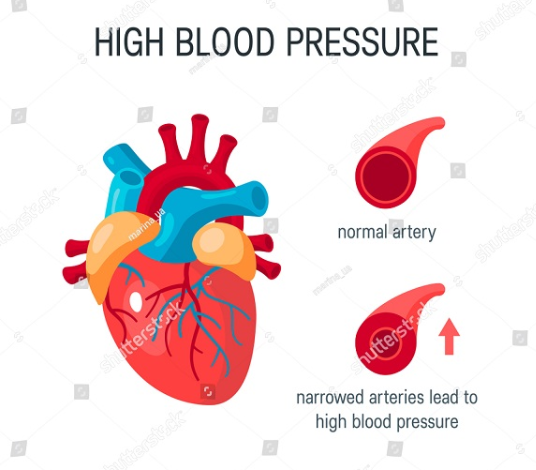
Hypertension otherwise known as high blood pressure (BP) has become one of the world’s leading causes of preventable illness and deaths.
In Ghana, an estimated 3.7 million people representing one in every three adults live with BP with nearly half of this number being unaware of their status.
Many hospitals continue to diagnose more people with hypertension but only after many have suffered a stroke, heart attack or kidney damage.
What exactly is blood pressure?

Cardiology Fellow and Physician Specialist at the Korle Bu Teaching Hospital (KBTH), Dr Florence Akumiah, explains blood pressure as the force or pressure that pushes blood through the arteries – the blood vessels that carry oxygen and nutrients from the heart to different parts of the body.
This pressure is necessary to ensure that every organ including the brain, kidneys and heart itself receives enough blood to function properly.
How then does high blood pressure (BP) or Hypertension come about?
Dr Akumiah, says blood pressure rises when the heart has to work harder to pump blood or when blood meets greater resistance as it flows through the arteries.
This can often happen when;
The blood vessels become stiff or narrow making it harder for blood to flow
The heart beats persistently faster than normal
There is too much fluid circulating in the body
“When these factors increase the pressure beyond a healthy level, the risk of damage to vital organs also increases,” she says.
Why are more people developing hypertension?
Experts say several risk factors are driving high blood pressure especially among young people and the elderly.
These factors cut across biological, lifestyle and environmental or social factors issues,
Biological factors (cannot be changed)
These are characteristics people are born with or naturally acquire with age.
• Black race
• Increasing age
• Sex (experts say men are at higher risk of BP before women reach menopause. After menopause, women’s risk increases)
• Family history and genetics
• Pregnancy-related hypertension (for some women)
• Certain medical conditions
Lifestyle factors (can be changed)
These are habits that people can improve to reduce their risk of BP
• Unhealthy eating habits
• Physical inactivity
• Excess body weight
• Tobacco use
• Alcohol use
Environmental and Social factors
These are factors in people’s surroundings or life circumstances that may constitute a risk
• Air pollution
• Climate change
• Chronic psychological stress
• Anxiety
• Depression
• Income states
FAST FACTS:
One in three Ghanaian adults has hypertension
Nearly half do not know they have it
BY ABIGAL ANNOH
Follow our WhatsApp Channel now! https://whatsapp.com/channel/0029VbAjG7g3gvWajUAEX12Q